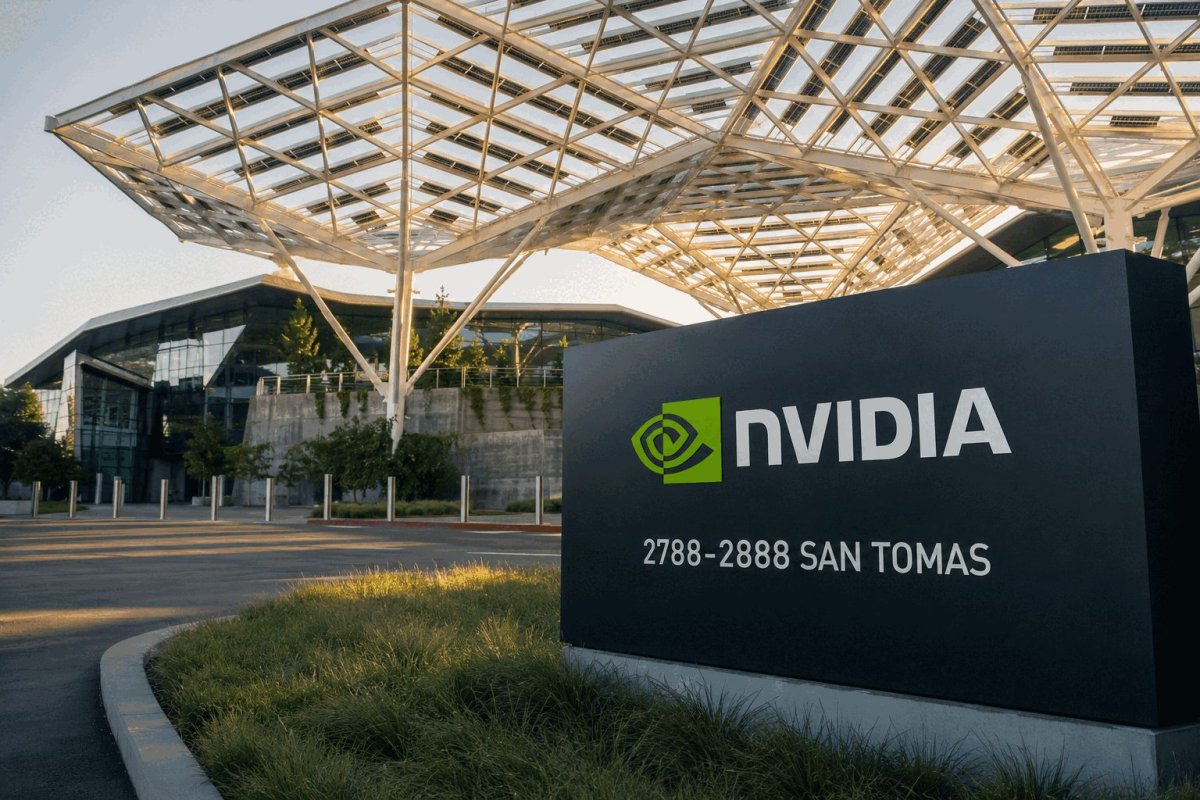
As Nvidia Corporation (NASDAQ:NVDA) prepares to release its fiscal second-quarter earnings after the market close on August 26, the sheer scale of its market valuation has become a focal point for investors. With a market capitalization of approximately $5.20 trillion, a mere 1% fluctuation in the stock price translates to a $52 billion change in value—a figure that surpasses the $46.74 billion in revenue the company generated during the same quarter last year. This underscores the extraordinary financial heft the chipmaker now commands.
Shares of Nvidia were trading at $215.35, up 0.29%, in pre-market activity on Monday, August 24, ahead of the U.S. market open. The company is slated to report its results on Wednesday around 16:20 EDT, followed by a conference call at 17:00 EDT. The upcoming earnings release is not just a routine update; it is a litmus test for whether the company's valuation can withstand the weight of sky-high expectations.
Nvidia has guided for second-quarter revenue of $91.0 billion, with a possible fluctuation of 2% either way. This midpoint represents sequential growth of 11.5% from the first quarter's $81.62 billion and a year-over-year surge of 94.7% compared to the $46.74 billion reported in the same period last year. Analyst consensus, as tracked by Google Finance, stands at $92.18 billion—approximately $1.18 billion higher than the company's own guidance, indicating that Wall Street is banking on an upside surprise.
Data Center Dominance and New Reporting Structure
The Data Center segment, which accounted for $75.2 billion in revenue during the first quarter—representing a staggering 92.1% of total sales—saw a 21% sequential increase. This quarter marks the first significant market assessment of Nvidia's revised reporting structure, which now separates the Hyperscale and ACIE (AI Cloud, Industrial, and Enterprise) segments. Investors will be keenly watching how these segments perform and whether the new transparency provides deeper insights into the AI infrastructure boom.
Beyond revenue, profit margins are under the microscope. Nvidia forecasts a non-GAAP gross margin of 75.0%, with a possible fluctuation of 50 basis points in either direction. A basis point is one one-hundredth of a percentage point. The sensitivity of gross profit to these margin swings is substantial: at the midpoint revenue of $91 billion, a 50-basis-point margin shift would alter gross profit by approximately $455 million. This margin sensitivity is driving increased attention to pricing dynamics, particularly in light of rising memory costs.
Reuters has reported that some buyers have been informed of potential price hikes exceeding 15% for Nvidia-based AI servers, attributed to climbing memory expenses. While raising prices can help sustain margins, it also increases the upfront capital burden on customers, a factor that could influence demand in the longer term.
Wall Street Sentiment and Valuation Concerns
Wall Street remains overwhelmingly bullish on Nvidia. Among 62 analysts tracked by S&P Global, 59 assign Buy or Strong Buy ratings, with a mean price target of $304.73—representing a 41.9% premium to Friday's closing price. However, this consensus carries its own risk. As Empower strategist Marta Norton told Reuters, "Chips have become a frothy space," questioning how much positive news is already priced in.
Nvidia shares trade at 32.9 times trailing earnings and 21.4 times forward earnings. The stock finished Friday 9.2% below its 52-week high, suggesting some recent pullback. Even if the company delivers robust results, the guidance for the coming quarters could fall short if it does not exceed already elevated market expectations.
Key risks to watch include weaker hyperscaler investment, regulatory restrictions in China, rising memory costs, or a margin shortfall. At the current market capitalization, a 1% drop would erase approximately $52 billion from the company's value. As the earnings date approaches, all eyes will be on Nvidia's revenue guidance, customer mix, and gross margin to determine if the AI giant can continue to justify its colossal valuation.