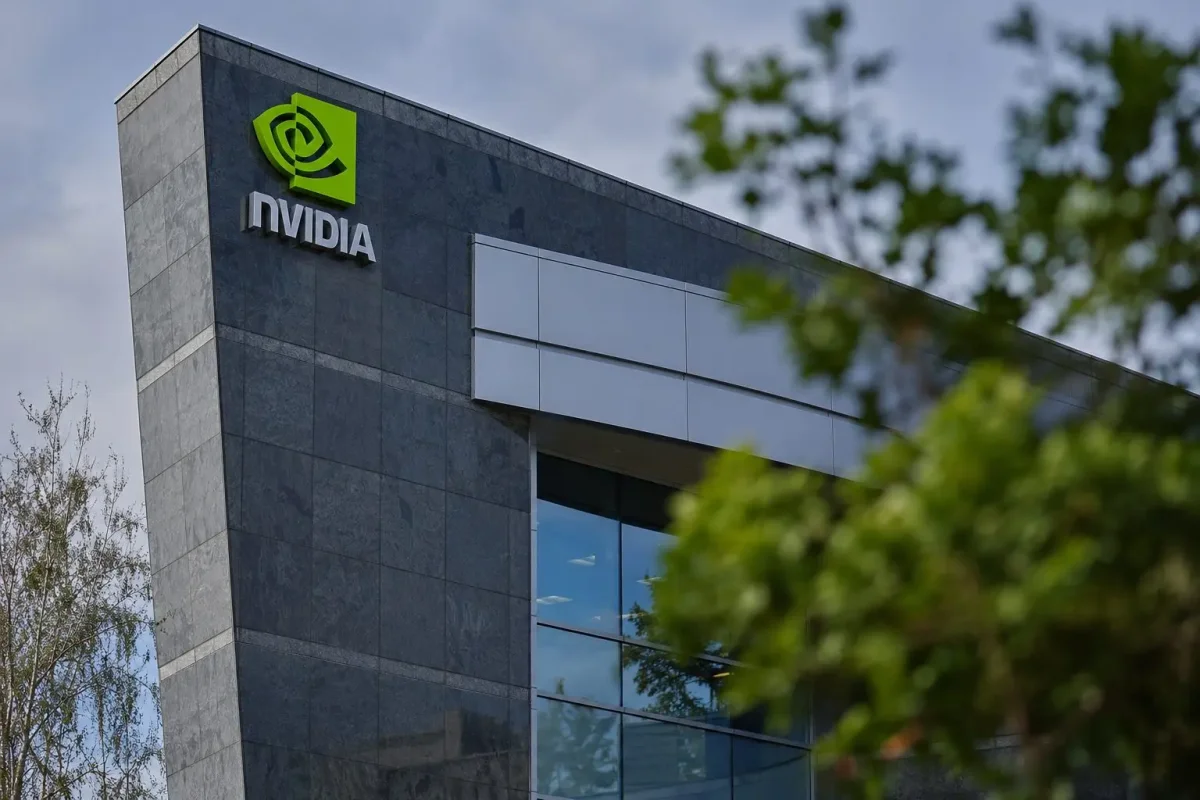
Nvidia Corp. shares reached a new all-time high on Thursday, rising 4.4% to close at $235.74, following a decision by U.S. authorities to clear approximately 10 Chinese companies to purchase the company’s H200 artificial intelligence chips. Despite the regulatory green light, no physical shipments of the chips have taken place, leaving the potential revenue from China in a state of uncertainty.
The approval comes at a critical juncture, as Nvidia CEO Jensen Huang is currently in Beijing as part of a U.S. delegation. Investors are closely watching for any signs that the company might regain some of its China business ahead of its fiscal first-quarter earnings report, scheduled for May 20. The company will release its results next Wednesday, along with written comments from its CFO.
The H200 chip is designed as an AI accelerator, capable of handling the intensive computational demands of large AI models. According to Reuters, the U.S. has authorized sales to a select group of Chinese technology giants, including Alibaba, Tencent, ByteDance, and JD.com. Distributors such as Lenovo and Foxconn also made the list. Each approved buyer is limited to purchasing up to 75,000 chips under the terms of the U.S. licensing agreement.
Lenovo confirmed it is among the firms cleared to offer H200 chips in China. Nvidia, along with several major Chinese tech companies including Alibaba, Tencent, ByteDance, and JD.com, as well as Foxconn, declined to comment when approached by Reuters. The U.S. Commerce Department also declined to comment.
The stock's rally pushed Nvidia's market capitalization to approximately $5.77 trillion, with shares touching an intraday high of $236.54. The broader market also saw gains, with both the S&P 500 and Nasdaq closing at record levels. Nvidia's advance lifted other semiconductor stocks, although Qualcomm, Intel, Sandisk, and Micron ended the day lower.
Looking ahead to next week's earnings, prediction market traders are showing high confidence. On Polymarket, the odds that Nvidia will exceed non-GAAP earnings per share of $1.77 for the quarter ending in April stand at 97%, though the volume on that contract is relatively small at just $3,700. Separately, traders assign a 70% probability that the company's first-quarter adjusted gross margin will fall within the 75% to 76% range.
China remains a significant factor for Nvidia. Before the imposition of U.S. export restrictions, the company held roughly 95% of the country's advanced chip market. China accounted for about 13% of Nvidia's sales, and Huang has estimated the country's AI market could reach $50 billion this year. However, Chinese companies have reportedly pulled back from purchases following signals from Beijing, which is simultaneously clamping down on foreign technology reliance and bolstering domestic chip efforts, particularly through Huawei's network of suppliers.
The terms of the U.S. deal add another layer of complexity. Under the Trump administration's arrangement, Washington is entitled to a 25% cut of the revenue from chip sales, and the chips must pass through U.S. territory en route to China. This setup has raised concerns in Beijing about potential tampering or hidden backdoors.
Not everyone in Washington is pleased with the development. Chris McGuire, a senior fellow at the Council on Foreign Relations focusing on China and emerging technologies, told Reuters that if Nvidia ships more chips to China, it could mean "fewer Nvidia chips for U.S. firms," potentially diminishing America's competitive advantage in AI.
Meanwhile, the competitive landscape is evolving. Cerebras Systems, a company that designs AI chips and aims to capture market share from GPU makers, saw its stock soar 89% above its initial public offering price in its Nasdaq debut on Thursday. Nicholas Smith of Renaissance Capital commented to Reuters that the valuation appeared "quite high even out to 2028."
Wall Street appears largely unfazed by the delays in China sales for now. C.J. Muse of Cantor Fitzgerald raised his price target on Nvidia to $350 from $300, citing demand that continues to outpace supply and Nvidia's competitive edge over rivals like AMD, Intel, and the growing field of custom AI chips.