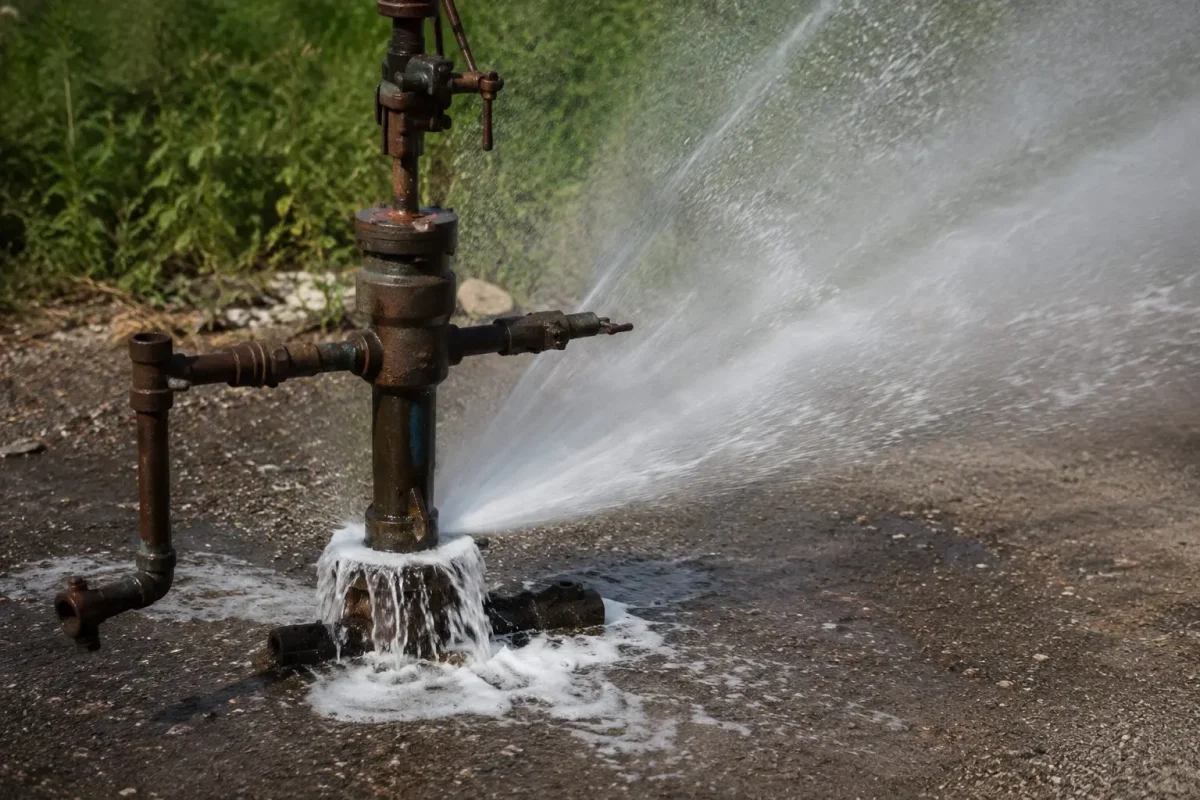
Ohio regulators have ordered a halt to operations at four oil and gas wastewater injection wells in Washington County, effective July 1 and 2, following concerns about potential impacts on nearby producing wells. The shutdown affects approximately 24% of the county's 17 active Class II disposal wells, according to state officials.
Among the wells is the Nichols No. 1-A, operated by Select Water Solutions LLC, a subsidiary of Select Water Solutions Inc. (NYSE: WTTR). The news broke after market close on Friday, with WTTR shares closing at $19.25, up 0.4% on the day. The company has not yet commented on the shutdown, though local reports indicate some confusion over whether operations have fully ceased.
Washington County has been a significant hub for wastewater disposal, taking in 11.9 million barrels of brine in 2023 and 2024, with the majority coming from out-of-state sources. The halted wells represent a daily volume of about 16,300 barrels, or roughly 1.2% of Select Water's first-quarter volume of 1.4 million barrels handled in its Water Infrastructure segment, which generated $96.7 million in revenue.
The Ohio Department of Natural Resources (ODNR) website still listed the four wells as "Active Injection" as of Saturday, though officials clarified that this designation may simply reflect active permits rather than current pumping activity. The wells range in depth from 4,510 to 6,251 feet, targeting the Ohio Shale formation.
This is not the first time brine has migrated outside its disposal zone in the area. In 2020, ODNR investigated 28 production wells that experienced increased brine inflow, concluding that wastewater from one of the now-halted wells, Redbird No. 4, had moved through natural fractures into an adjacent rock layer. That well had injected about 4.2 million barrels before ceasing operations in December 2019.
David Jeffery, a geology professor at Marietta College, noted signs of unusual underground activity, stating that "oil and gas wells basically lose pressure over time, so there's something unnatural going on." He explained that fluids typically move from higher-pressure injection zones into lower-pressure formations, suggesting potential connectivity between the injection and production zones.
For investors, the immediate financial impact on Select Water is limited given the small share of volume affected. However, the broader risk lies in potential regulatory escalation—should ODNR expand the pause, mandate additional monitoring or cleanup, or push wastewater shipments farther afield. The three other halted wells are operated by Redbird Development LLC (two wells) and DeepRock Disposal Solutions LLC (one well).
Market participants will be watching for updates when U.S. equity markets open on Monday, July 13. Key items to monitor include ODNR's planned operator inspections, any changes to the four well status cards, and details on third-party testing of area private wells. The agency has not provided a timeline for completing its review.