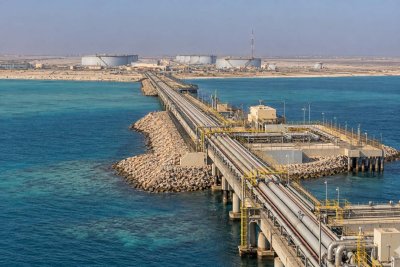
Global energy markets plunged deeper into crisis on Thursday, April 3, 2026, as the benchmark price for physical oil cargoes soared to its highest point in nearly two decades. Dated Brent crude, which tracks North Sea shipments, surged to $141.37 per barrel, a threshold last breached in 2008. The dramatic spike underscores the mounting supply shock stemming from the continued closure of the Strait of Hormuz, a vital maritime chokepoint that typically handles roughly one-fifth of the world's seaborne oil trade.
Diplomatic Stalemate Fuels Market Panic
The price surge followed a British-led virtual conference involving approximately forty nations, which concluded without a concrete plan to restore safe navigation through the strategic waterway. The absence of a diplomatic or military resolution has left traders grappling with an open-ended timeline for the conflict, exacerbating fears of a prolonged supply disruption. Futures markets mirrored the panic, with Brent crude futures settling 7.78% higher at $109.03 and U.S. West Texas Intermediate (WTI) climbing 11.41% to $111.54 after remarks from former President Donald Trump signaled an escalation in hostilities against Iran.
U.S. Market Structure Signals Acute Short-Term Scarcity
The structure of the U.S. oil market revealed even more acute stress. The premium for May WTI delivery over June contracts widened to a record $16.70, a condition known as backwardation where immediate barrels command a higher price than those for future delivery. This extreme market signal points to severe near-term supply tightness relative to expectations for later in the year. Andy Hendricks, CEO of Patterson-UTI, noted that sustained higher prices for longer-dated contracts could incentivize some U.S. drillers to increase activity later in 2026.
Market sentiment had initially tilted toward optimism for a quick de-escalation prior to midweek developments. Joe Brusuelas, chief economist at RSM, stated that investors were previously anticipating a "near-term end to hostilities," an expectation that was decisively upended.
Consumers Brace for Pain at the Pump
The next wave of the crisis is poised to hit consumers directly. Analysts warn that the U.S. national average for gasoline, already above $4 per gallon, is likely to reach between $4.25 and $4.45 in the coming week. Should the Hormuz blockade persist for another month without a viable resolution, prices could surpass the $5 mark. Diesel fuel, a critical component for freight and industrial costs, is on track to break its 2022 record high within two weeks, threatening to amplify inflationary pressures across the economy.
Global Ripples: From European Rationing to Emerging Market Hikes
The shockwaves are being felt worldwide. In Europe, EU Energy Commissioner Dan Jorgensen announced the bloc is actively evaluating contingency measures, including fuel rationing and additional releases from strategic petroleum reserves. He cautioned that elevated energy prices could persist "for a very long time." Meanwhile, import-dependent nations are being forced to pass on costs. Pakistan implemented its second sharp fuel price increase in less than a month on Thursday, raising diesel prices by 54.9% and petrol by 42.7%, after government ministers declared broad-based subsidies unsustainable.
Analyst Outlook and Benchmark Anomaly
Despite the turmoil, some analysts maintain a base case that negotiations will eventually reopen the strait following a period of intense supply strain and inventory drawdowns. J.P. Morgan, for instance, warned that prices could climb to $120-$130 per barrel in the near term and exceed $150 if the disruption lasts into mid-May. In a notable market anomaly, WTI crude closed at a premium to Brent for the first time since May 2022. This rare reversal is attributed by analysts to the relative availability of U.S.-sourced barrels outside the immediate conflict zone in the Middle East, highlighting the geographical dislocation in supply.
The convergence of record physical prices, diplomatic deadlock, and looming consumer impact marks one of the most severe oil market crises in recent memory. With the Strait of Hormuz effectively closed and no clear path to reopening, governments, central banks, and corporations worldwide are bracing for a protracted period of energy-driven economic volatility.