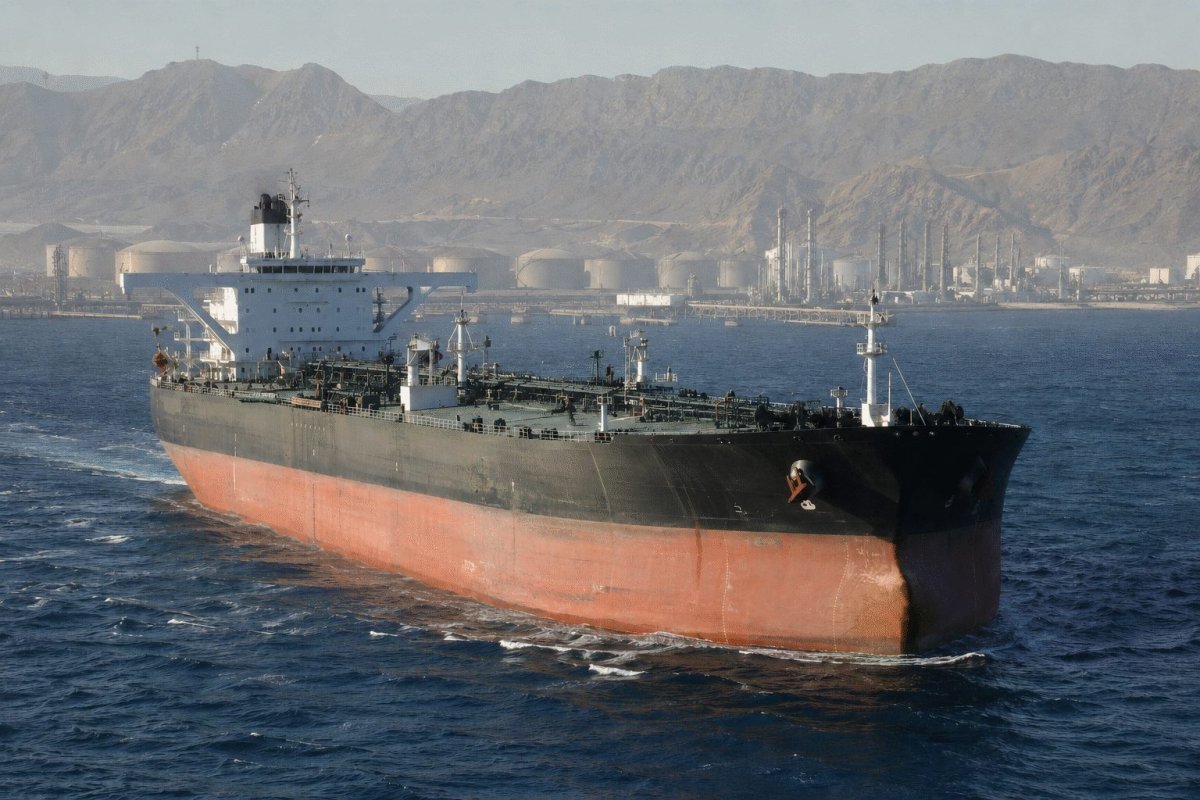
Oil prices surged nearly 4% on Monday as fresh military confrontations between the United States and Iran raised fears of supply disruptions in the crucial Strait of Hormuz. Front-month West Texas Intermediate (WTI) crude climbed 3.79% to $86.56 per barrel as of 06:14 ET, while Brent crude rose 3.69% to $91.35, according to delayed quotes from futures data provider MarketWatch.
The sharp gains came after U.S. forces targeted missile launchers on Iran's Larak Island on Sunday. In response, Iranian media reported attacks on two U.S. air bases in Jordan, citing Reuters. These developments have reignited geopolitical risk premium that had faded last week, as traders reassess the likelihood of supply interruptions in the world's most critical oil transit chokepoint.
Backwardation signals acute supply concerns
The market's term structure is flashing a clear warning. October WTI was priced at a $12.09 premium over June 2027 contracts, representing a 16.2% premium for near-term delivery. This steep backwardation indicates traders are willing to pay a significant premium for prompt barrels, reflecting concerns about immediate delivery risks rather than a prolonged shortage.
According to the NYMEX WTI delayed quotes for August 31, 2026, the discount to October widens progressively along the curve: November 2026 trades at $84.68 (discount of $1.88), December at $82.55 ($4.01), January 2027 at $80.62 ($5.94), and June 2027 at $74.47 ($12.09). This structure suggests that any disruption to tanker movements in the Strait of Hormuz would quickly tighten physical supply.
Supply and demand dynamics
The U.S. Energy Information Administration (EIA) reported that average production shut-ins in July reached 5.5 million barrels per day. Global stockpiles declined by 4.2 million barrels daily during the second quarter, and the agency forecasts a further drawdown of 3.8 million barrels per day in the third quarter. In its baseline scenario, the EIA expects Brent to average near $85 per barrel during this period, before easing to $78 in the fourth quarter as disrupted supplies are restored.
However, demand-side headwinds could cap gains. A Reuters survey of 31 analysts projects Brent to average $85.08 in 2026 and WTI at $80.20. Global demand growth is expected to contract by 1 million to 1.6 million barrels per day, with China posing the biggest downside risk. Chinese crude imports fell 24.3% year-over-year in July, and OPEC+ is set to add 188,000 barrels per day in September.
What to watch
The key indicator to monitor is the October-June spread. A broader differential would signal a further tightening of prompt supply, while a narrower spread would suggest that physical flows are returning to normal. Traders will also keep a close eye on tanker movements and any diplomatic developments that could de-escalate tensions.
An intensification of military conflict could lift prompt contract prices and deepen backwardation, while a shipping deal, steady tanker traffic, or weaker demand from China could quickly erase the geopolitical premium. As the situation evolves, market participants should brace for heightened volatility in oil prices.