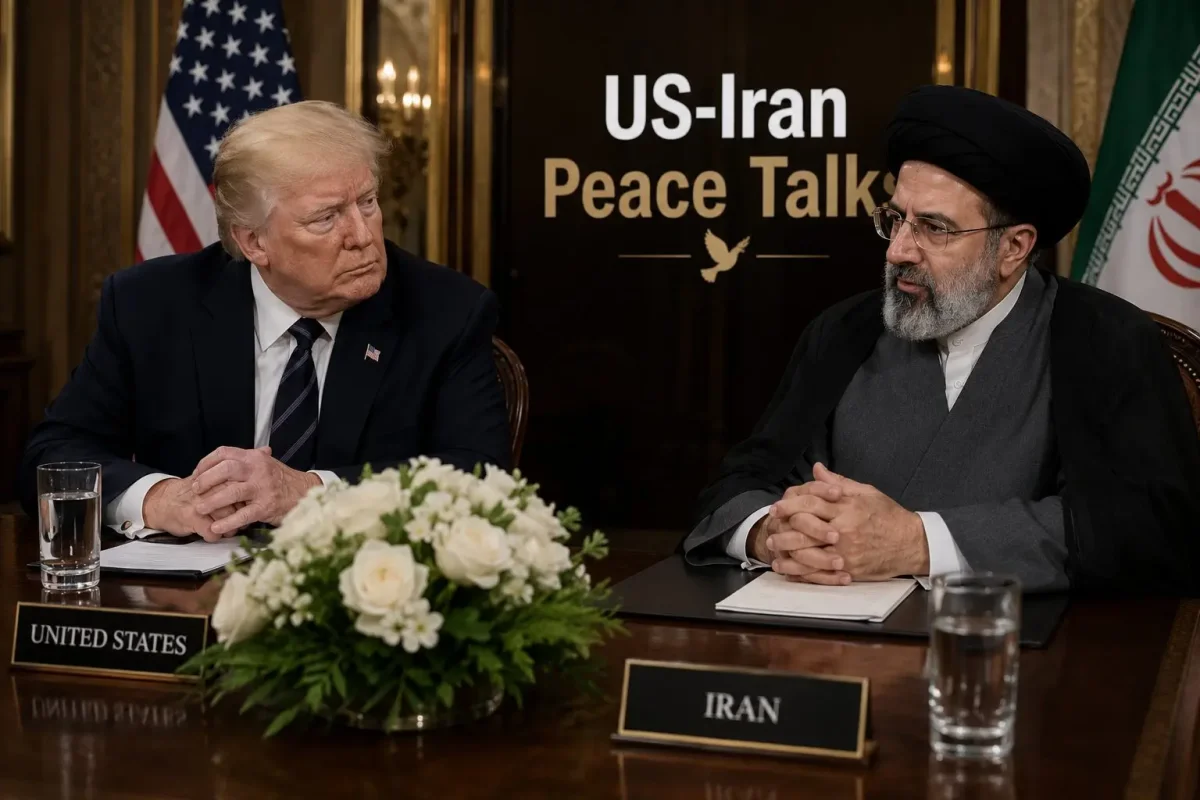
Oil markets saw a sharp decline on Friday, with Brent crude falling $3.05 (3.37%) to $87.33 per barrel and West Texas Intermediate dropping $2.83 (3.23%) to $84.88, as news broke of a potential peace agreement between the United States and Iran. The deal, announced by Pakistan, is set to be formally signed on June 19 in Switzerland, aiming to reopen the strategic Strait of Hormuz and lift the U.S. naval blockade.
Diplomatic Breakthrough
Pakistan's announcement came as a surprise to many, with Prime Minister Shehbaz Sharif stating that the agreement would lead to "the immediate and permanent termination of military operations on all fronts, including in Lebanon." President Donald Trump confirmed the development on Truth Social, declaring, "The Deal with the Islamic Republic of Iran is now complete." He further stated that he had authorized the "toll free opening" of the Strait of Hormuz and ordered the U.S. Navy to lift its blockade, adding, "Ships of the World, start your engines. Let the oil flow!"
Market Reaction and Risks
The market had largely priced in expectations of a deal, leading to the significant drop in oil prices. John Kilduff, a partner at Again Capital, noted, "What's got the market going down is the Iranians saying there is a memorandum of understanding." However, officials and analysts caution that implementation risks remain high. Tamas Varga at PVM Oil Associates commented, "Headlines are driving the market once again as confidence grows that an eventual deal will be struck and the Strait reopens." He also warned that low oil stocks in the region and globally could keep risks elevated, as it may take time for steady oil flows to resume.
Geopolitical Tensions
The diplomatic push faced a significant challenge earlier in the day when Israeli strikes on the southern suburbs of Beirut sparked tensions. Iran blamed the U.S. for the attack, warning of a "strong response." Trump weighed in, calling the strike a mistake, stating, "This morning's attack on Beirut should not have happened, particularly on a special day when we are so close to a Peace Deal with Iran."
Details of the Draft Deal
According to Reuters, draft terms of the deal include the reopening of the Strait of Hormuz, an end to the U.S. blockade of Iranian ports, and an extension of the current ceasefire. Iran's nuclear program would be subject to a 60-day window for talks. A senior Iranian official indicated that the draft also covers the release of $25 billion in frozen Iranian assets, in exchange for an Iranian pledge not to produce or acquire nuclear weapons.
Energy Market Significance
The Strait of Hormuz is a critical chokepoint for global energy supplies. The U.S. Energy Information Administration reported that more than a quarter of the world's seaborne oil trade and about one-fifth of global oil and petroleum product use passed through the strait in 2024 and the first quarter of 2025. Additionally, around a fifth of global LNG trade transited the strait in 2024. The reopening of this waterway is expected to have a significant impact on global energy markets, potentially easing supply concerns and stabilizing prices.
Outlook
While the announcement of the peace deal has provided a boost to market sentiment, the path to implementation remains uncertain. Traders and diplomats are closely watching the situation, with the June 19 signing date serving as a key milestone. The market will be looking for concrete steps towards the resumption of uninterrupted oil flows, which could further influence oil prices in the coming weeks.