Oil prices traded below the $100 mark on Wednesday, with West Texas Intermediate (WTI) at $90.64 and Brent at $96.25 as of 8:00 a.m. EDT. The market's war premium continued to narrow, but fuel markets showed a divergence, with gasoline futures climbing 2.1% while heating oil slipped just 0.1%.
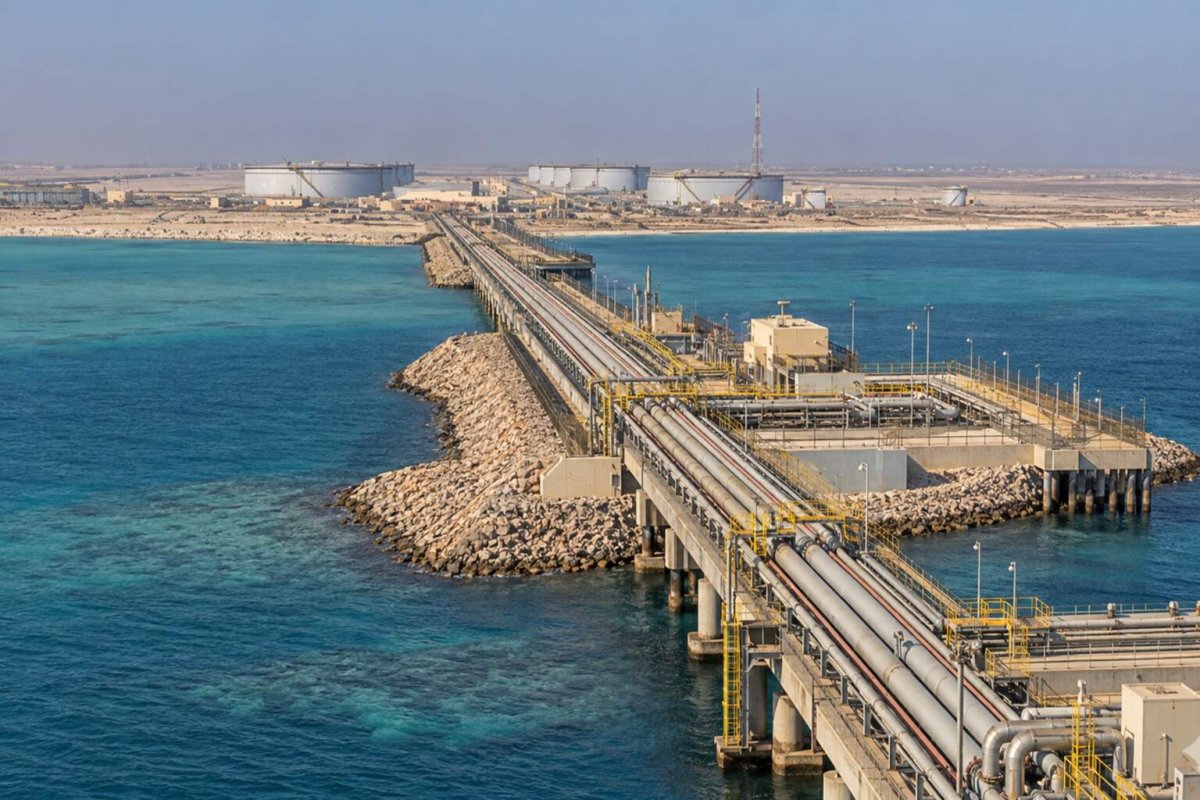
The move comes as Saudi Arabia restarted its East-West Pipeline, though initially at a low rate, according to three sources briefed on the matter. The pipeline, which can carry up to 7 million barrels per day at full capacity, could potentially resume exports from the Yanbu terminal. Aramco has not officially confirmed the restart, but the development is seen as a positive step for global supply.
However, the restart alone may not be enough to ease fuel prices. The latest official data from the U.S. Energy Information Administration (EIA) shows that distillate fuel oil inventories are 13.5% below year-ago levels, while gasoline stocks are 4.6% lower. In contrast, commercial crude inventories are 1.9% higher than a year ago. This explains why fuel prices are resisting the decline in crude.
The American Petroleum Institute (API) reportedly estimated a preliminary crude build of 1.8 million barrels for the week ended September 18. The EIA's official release is due at 10:30 a.m. EDT, and traders will be watching closely for confirmation of the build and any signs of product inventory changes.
Diplomatic efforts also contributed to the easing of the war premium. U.S. and Iranian officials held three hours of mediated talks in New York, according to The Guardian. Iran disputed claims that it had dropped its conditions, and no shipping agreement has been settled. The proposal to reopen the Strait of Hormuz within seven days remains conditional on U.S. pressure easing, leaving a material risk premium in crude prices.
Equity markets reflected the mixed signals. Occidental Petroleum (NYSE: OXY) fell 1.64%, while American Airlines (NASDAQ: AAL) gained 0.29%. The Energy Select Sector SPDR Fund (NYSEARCA: XLE) lost 1.09%. Wall Street analysts have a range of views on Occidental, with Wells Fargo maintaining a Buy rating and an $82 target, while UBS reiterates a Hold with a $67 target. This divergence suggests that lower crude prices may not uniformly impact energy stocks.
The next catalyst is the EIA inventory report at 10:30 a.m. EDT. If the build is confirmed and product stocks remain tight, fuel prices could stay elevated. Conversely, a confirmed Hormuz reopening could sharply reduce the remaining war premium, but that scenario remains uncertain.
For airlines, refiners, and inflation-sensitive bond investors, the split between crude and fuel prices is crucial. More crude capacity does not automatically translate into more usable gasoline or diesel, as refinery constraints and product-specific supply issues persist. The market will be watching for actual Yanbu loadings to see if the pipeline restart is moving export barrels.