Oil prices surged more than 3% on Friday, pushing Brent crude above $109 a barrel, after President Donald Trump signaled he was losing patience with Iran, reigniting fears of renewed conflict that could keep the Strait of Hormuz largely shut. The critical Gulf waterway handles roughly one-fifth of global oil and liquefied natural gas shipments, and its continued disruption has sent shockwaves through energy markets.
Brent crude, the international benchmark, climbed to $109.07 a barrel, while U.S. West Texas Intermediate rose to $105.02. The rally came as traders reassessed the likelihood of a diplomatic breakthrough following Trump's meetings with Chinese President Xi Jinping in Beijing. Hopes for a quick reopening of the strait faded, with analysts at Commerzbank noting that the tone between Washington and Tehran had become "significantly more confrontational."
Market fallout across asset classes
The energy shock spilled into equities and fixed income. The S&P 500 dropped 0.8%, the Dow Jones Industrial Average lost 390 points, and the Nasdaq Composite fell 0.9% in early afternoon trading. Nvidia (NVDA) slid 2.9%, dragging AI-related shares lower and offering no safe haven. Longer-dated U.S. Treasury yields rose to multi-month highs, with the 10-year note hitting 4.568% and the 30-year bond reaching 5.112%, as investors priced in the risk that oil-driven inflation could keep the Federal Reserve on a tighter policy path for longer.
"Market focus is back on the deadlock and a blockaded Strait of Hormuz, with a tail risk of renewed military escalation," said Vandana Hari, founder of Vanda Insights. Saxo Bank analyst Ole Hansen added that crude was higher because the Trump-Xi meeting did little to move the market closer to a reopening, while Ukrainian attacks on Russian refineries added another layer of supply concern.
Gasoline pain and political pressure
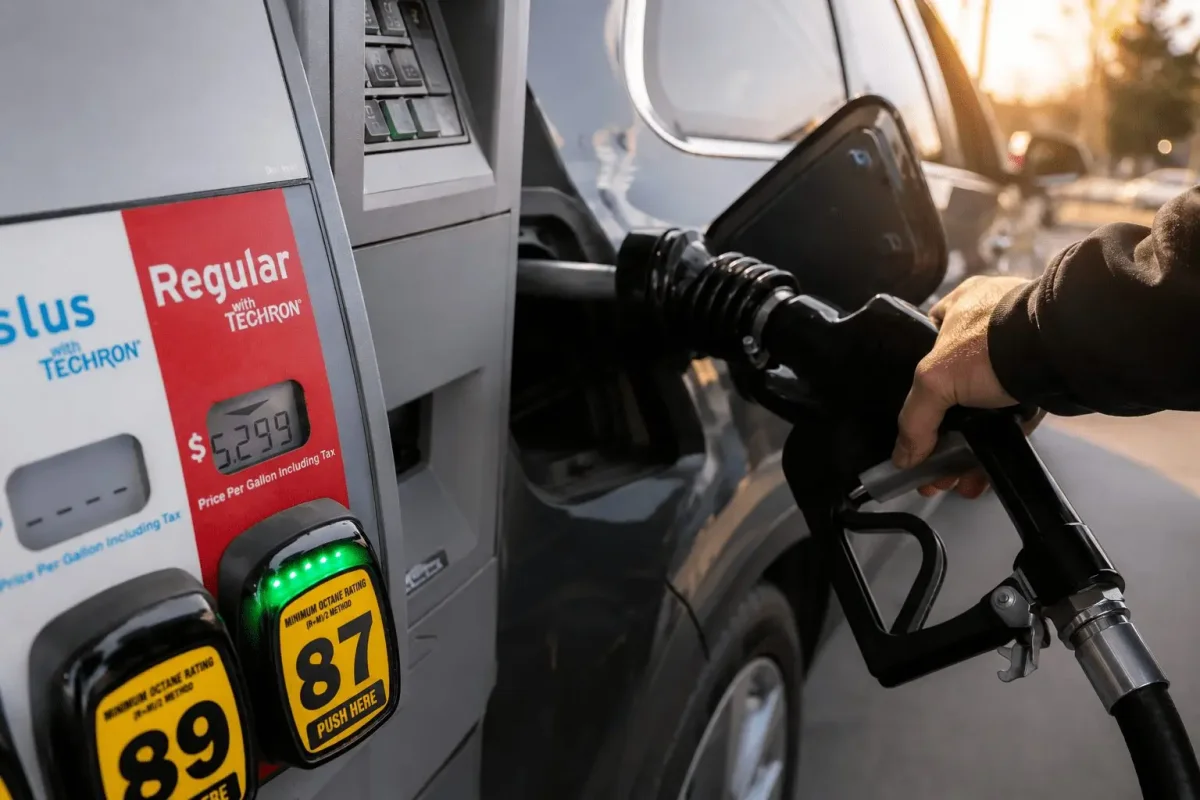
At the pump, U.S. regular gasoline averaged more than $4.50 a gallon, up 50% since the start of the war, intensifying pressure on the White House. Reuters reported that Trump has backed suspending the federal gasoline tax of 18 cents per gallon as a stopgap measure. The U.S. Energy Information Administration now assumes the strait will remain effectively closed through the end of May; if the blockade extends into June, the agency projects oil prices could be roughly $20 a barrel higher than its current forecasts.
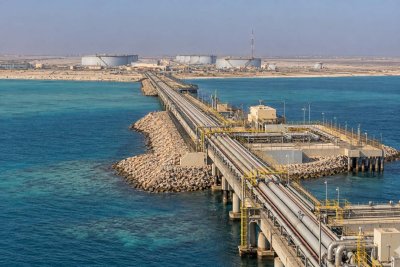
Gulf producers are scrambling to bypass the chokepoint. The United Arab Emirates announced plans to accelerate construction of a new pipeline to double export capacity through Fujairah by 2027, while Saudi Aramco has utilized its East-West pipeline to keep a portion of Saudi exports flowing outside the strait.
Limited traffic but fragile sentiment
There were some signs of easing. Iran's Revolutionary Guards reported 30 vessels crossed the strait between Wednesday evening and Thursday, and shipping analytics firm Kpler said 10 ships had passed in the previous 24 hours, up from the five to seven seen daily in recent weeks. PVM analyst Tamas Varga noted the increase was helping sentiment more than the actual oil balance. However, the risk of a renewed military escalation remains, with Iranian Foreign Minister Abbas Araqchi stating Tehran had "no trust" in Washington and was prepared to resume fighting if necessary.
"The world has consumed its oil safety net at a historic rate," wrote Phil Flynn, senior analyst at Price Futures Group. A longer closure, he warned, could mean tighter physical markets, refined fuel shortages, and more upward pressure on prices in the weeks and months ahead.