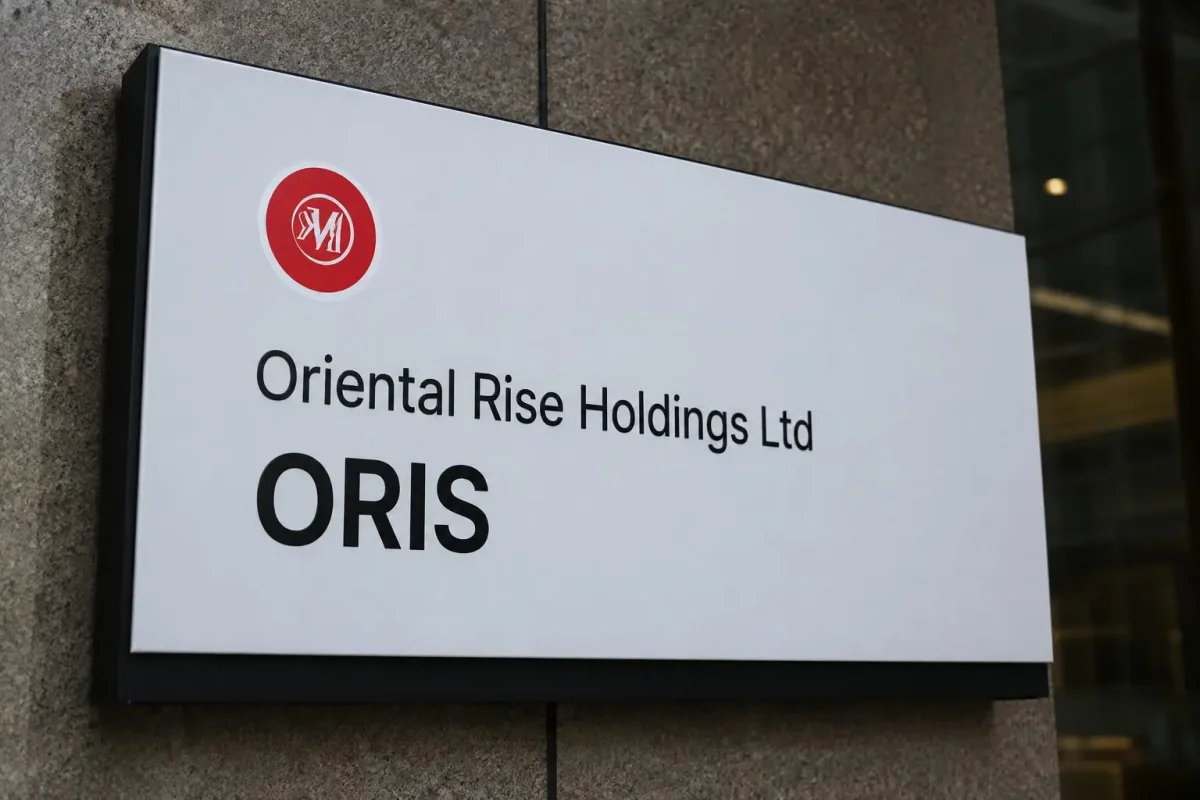
Oriental Rise Holdings Limited saw its stock price jump sharply in early Nasdaq trading Tuesday following the implementation of a 1-for-4 reverse stock split. However, the gains were largely short-lived, with most of the initial spike evaporating as the session progressed.
The Chinese tea supplier's shares opened at $3.21 and surged to an intraday high of $5.23, representing a gain of up to 93% from the previous close. By late morning, the stock had retreated to around $2.70, up approximately 11.6% on the day. Trading volume exceeded 9.2 million shares, a dramatic increase from the typically thin liquidity seen in this micro-cap stock.
The reverse split, which took effect on Monday, June 22, is a corporate action designed to boost the per-share price by reducing the number of outstanding shares. In this case, every four existing shares were consolidated into one, with fractional shares rounded up to a full share. The company also adjusted the par value of its ordinary shares from $0.00001 to $0.00004.
This maneuver is a direct response to a delisting notice issued by Nasdaq in April, after Oriental Rise's stock traded below the $1 minimum bid price for 30 consecutive business days. The exchange denied the company the standard 180-day grace period because it had already executed a 1-for-20 reverse split on December 30, 2025. Oriental Rise has requested a hearing with Nasdaq but has cautioned that there is “no assurance” of regaining compliance.
While a reverse split can create a temporary price boost, it does not alter the underlying fundamentals of the business. The company's financial performance has been deteriorating. For the fiscal year 2025, Oriental Rise reported revenue of $12.2 million, down from $15.0 million in the prior year. Net profit fell sharply to $681,000 from $2.1 million, and the company recorded an operating loss of $902,000.
Oriental Rise is a relatively small player in the Chinese tea industry, focusing on growing, processing, and selling black and white processed tea and refined tea within China. It lacks the scale and brand recognition of larger competitors such as Chagee (CHA), which had a successful U.S. IPO last year, or Tenfu Cayman, which operates in Hong Kong.
The surge in Oriental Rise's stock is primarily a capital-structure event rather than a reflection of improved demand for its products. Reverse splits can attract short-term traders due to the reduced float and higher nominal price, but such momentum often fades as attention shifts back to the company's liquidity, financial results, and listing status.
The key risk remains the potential for delisting. If Oriental Rise cannot maintain its share price above $1 or if the Nasdaq hearing does not go in its favor, the company could be forced to leave the exchange. A reverse split is a temporary fix; it does not address the core issues of declining revenue, thin liquidity, or investor sentiment.
