Ouster (NASDAQ: OUST) has secured a significant expansion of its BlueCity traffic management platform in Utah, adding 160 intersections to its contracted footprint. This development pushes the state's total contracted installations to nearly 300 intersections and roadway locations, marking a major milestone for the company's smart infrastructure initiatives.
The contract was awarded to Econolite, Ouster's traffic equipment partner, by the Utah Department of Transportation. While the total value was not disclosed, Ouster described it as a multimillion-dollar agreement. This expansion builds on a successful pilot program and underscores the growing adoption of lidar-based traffic solutions in public infrastructure.
Phased Rollout and Technology Advancements
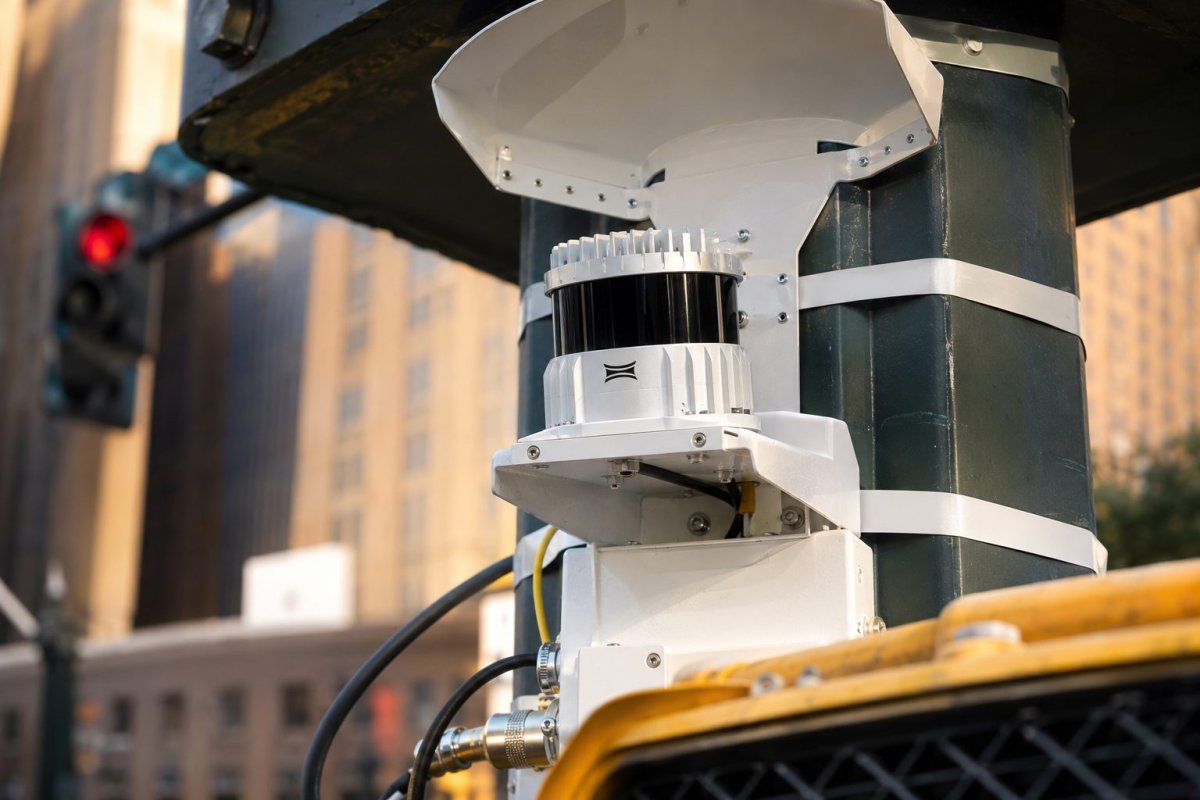
Utah's deployment of BlueCity has progressed through three distinct phases. In December 2024, a state committee evaluated six lidar proposals, with the Econolite-Ouster submission achieving the highest overall vendor score and top ratings for both hardware and perception software. The initial pilot covered over 12 intersections, followed by a 2025 rollout involving more than 100 intersections using Rev7 sensors. The latest 2026 expansion introduces 160 additional intersections equipped with the new Rev8 OS1 Max sensors.
The installation process at each intersection typically requires three to five hours, and the system enables advanced vehicle detection at distances up to 500 feet. Asad Lesani, Ouster's vice president of global ITS solutions, emphasized the real-world value of the platform, stating that scaling to hundreds of intersections in Utah is a powerful testament to its effectiveness.
Financial Performance and Market Context
The Utah expansion follows a strong operational quarter for Ouster. The company reported second-quarter revenue of $54.6 million, a 56% increase year-over-year. Product revenue reached $52.8 million, up 51% from the same period last year. Gross margin improved to 49% on a GAAP basis, up from 45% in Q2 2025. Adjusted EBITDA loss narrowed to $4 million, compared to a $6 million loss a year earlier.
Despite these improvements, Ouster continues to operate at a net loss. The company reported a GAAP net loss of $18 million for the quarter. As of June 30, cash and short-term investments stood at $263 million. CEO Angus Pacala highlighted the shipment of over 17,000 sensors during the quarter, though lidar accounted for only about 53% of units, with cameras from the recently acquired Stereolabs business making up the remainder.
Analyst Outlook and Future Prospects
Analysts maintain a generally positive view of Ouster's growth trajectory, though price targets vary widely. The consensus rating is "Moderate Buy," with an average price target of $54.67, ranging from $33 to $75. This dispersion reflects the company's rapid expansion, stock volatility, and ongoing path to profitability.
Looking ahead, Ouster has guided third-quarter revenue in the range of $54.5 million to $57.5 million. The company's management is scheduled to present at Oppenheimer's technology conference on August 11, where investors will likely seek details on the Utah project's timing, software involvement, and revenue contribution.
Risks and Considerations
While the Utah expansion is a positive development, several risks remain. Public infrastructure projects can face delays or reductions, and Ouster has not disclosed the specific contract value or delivery schedule. Additionally, Econolite is the primary contractor, meaning Ouster's direct revenue from this project may be limited. The increase in unit shipments could also reflect higher camera sales rather than lidar demand.
Investors will be watching closely to see if the nearly 300 contracted sites in Utah translate into recurring software revenue. Without such disclosure, the project demonstrates adoption but may not immediately impact earnings. As Ouster continues to scale its BlueCity platform, the company's ability to convert these deployments into sustainable profitability will be key to its long-term success.