In a candid assessment of the sports investment landscape, Carlyle Group co-founder David Rubenstein has highlighted a fundamental tension that defines team ownership: the pursuit of championships often overshadows the pursuit of profits. His remarks, made during a recent Bloomberg interview and a BlackRock discussion, underscore a reality that public market investors must grapple with when buying into sports franchises.
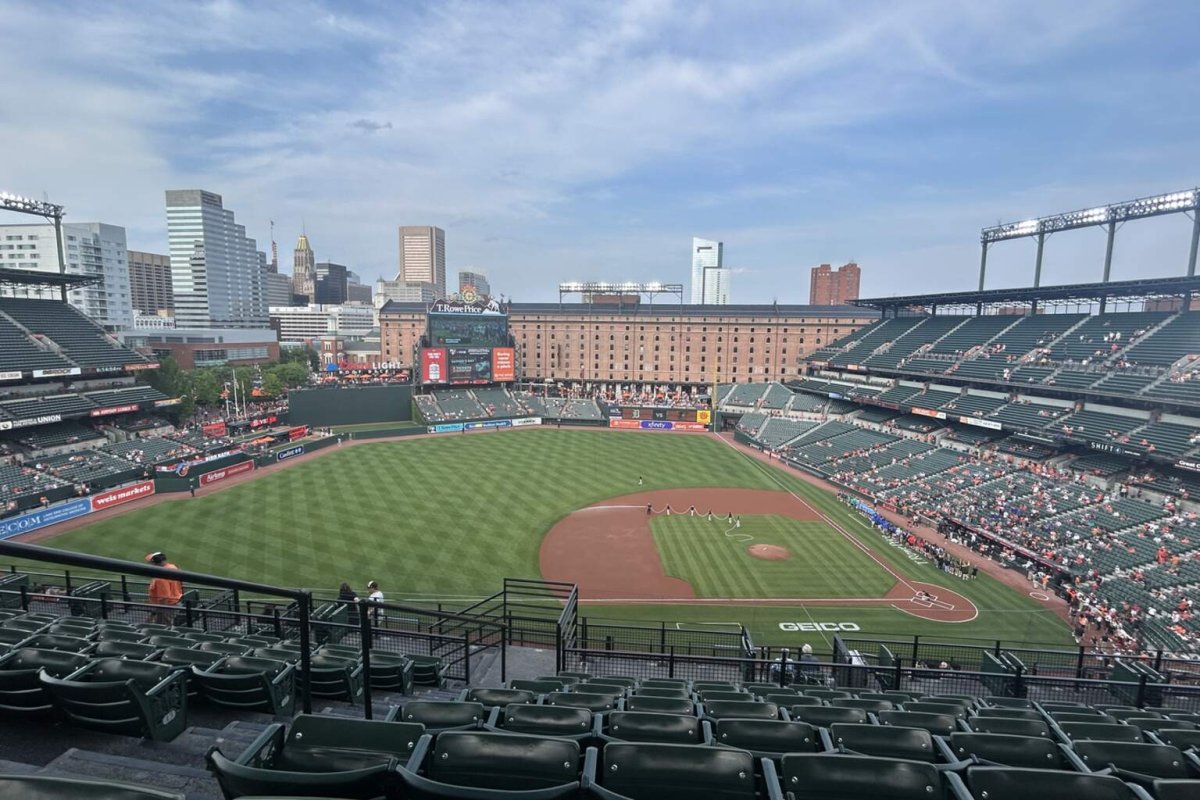
Rubenstein, whose group acquired the Baltimore Orioles for $1.725 billion in 2024, emphasized that owners are primarily driven by a desire to win, not to maximize financial returns. This philosophy, while noble in the sporting sense, creates a complex dynamic for minority shareholders who lack operational control and rely on the underlying business to generate value.
The valuation gap between sporting success and financial performance is evident in the public markets. Listed sports companies currently trade at 5.0 to 9.3 times trailing sales, with enterprise values ranging from $4.25 billion to $10.69 billion. On Thursday, shares of Atlanta Braves Holdings (NASDAQ:BATRK), Madison Square Garden Sports Corp. (NYSE:MSGS), and Manchester United plc (NYSE:MANU) all advanced, reflecting investor optimism despite the inherent challenges.
Scarcity Premiums and Cash Flow Realities
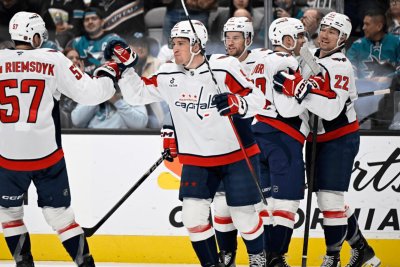
MSG Sports commands the highest scarcity premium, trading at 9.26 times sales, a figure 84% above Manchester United's multiple. The Knicks' recent NBA championship has bolstered its appeal, with fiscal 2026 revenue rising 11% and adjusted operating income reaching $58.7 million. However, its free cash flow yield remains a paltry 0.63%, underscoring the disconnect between valuation and cash generation.
Atlanta Braves, by contrast, consumed $94.86 million in free cash flow over the trailing twelve months, as escalating player costs—including a $25.2 million increase in salaries—weighed on profitability. Baseball adjusted OIBDA swung to a $6 million loss in the second quarter. Manchester United, despite record revenue of £677.6 million and adjusted EBITDA of £216.4 million, still posted a £43 million loss for fiscal 2026.
Analyst Optimism Amid Thin Coverage
Despite these financial headwinds, analysts maintain Buy ratings on all three stocks, though coverage is limited. Manchester United has just two contributing analysts, while consensus price targets imply upside of 10.8% to 19.4% across the group. MSG Sports' average target of $480.67 suggests a 19.42% gain, while Atlanta Braves and Manchester United offer 17.28% and 10.84% upside, respectively.
Rubenstein's comments highlight a key risk for investors: the scarcity of sports franchises may support valuations even when cash yields are weak. However, rising player costs, media-rights pressures, and stadium expenditures could widen the gap between franchise prices and shareholder returns. The next test comes in late October when MSG Sports expects to complete the separation of the Rangers, followed by Atlanta Braves' earnings on November 4, which will reveal whether higher payroll translates into stronger revenue.