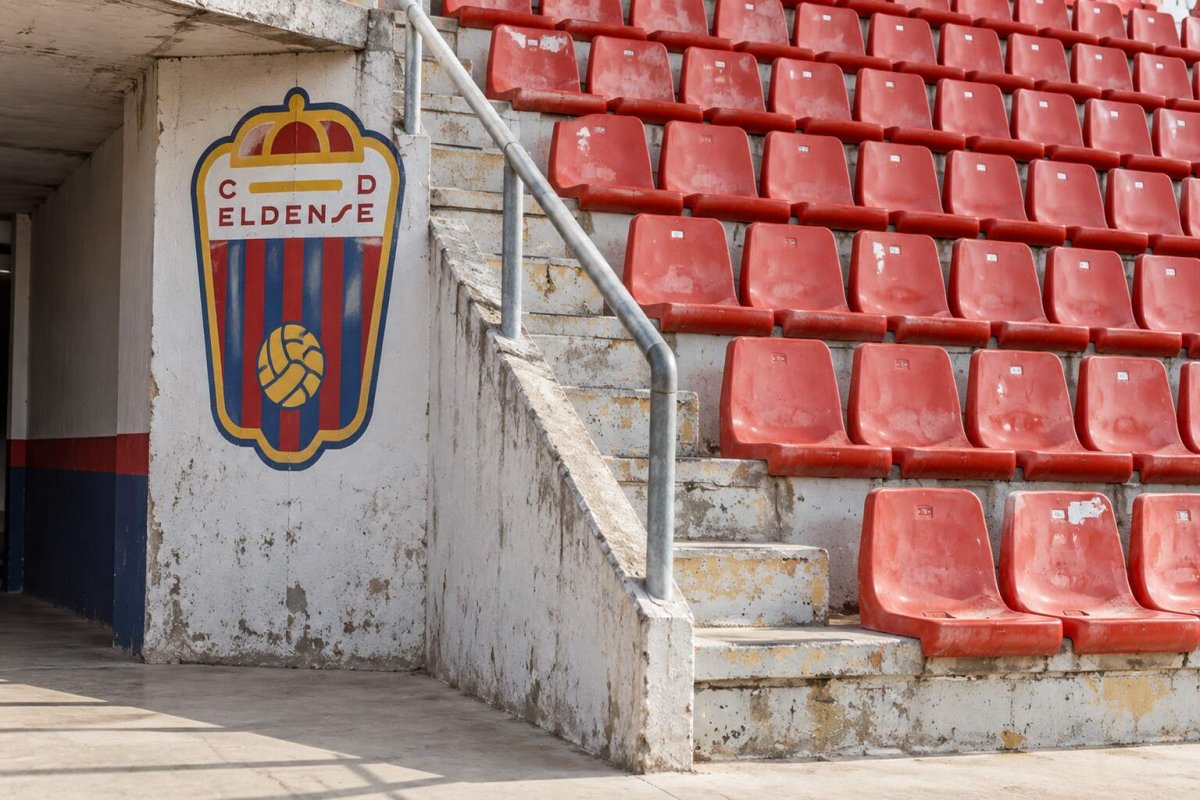
Lionel Messi has reportedly signed the agreement to acquire control of Club Deportivo Eldense, moving the deal forward from a preliminary stage. However, the signature does not complete the takeover; regulatory approval from Spain's Consejo Superior de Deportes (CSD) is still required, and the financial terms remain undisclosed.
According to a report from Cadena SER's Radio Elda on September 15, Messi signed for the shares held by Colombian investment group TH Soluciones Group. The report indicates that these shares represent 100% of the seller's position, which would make Messi the controlling shareholder of the Spanish club once the CSD gives its approval. The transaction pertains specifically to CD Eldense, not Valencia CF, clarifying earlier speculation.
This development advances the story beyond the preliminary agreement disclosed last week, but it does not set a closing date. Local reporting suggests the CSD review process could take days or weeks. The regulator's published procedures allow for a longer window: an investor seeking to acquire at least 25% of a Spanish sports public limited company must obtain prior approval. An application is deemed approved if no decision is notified within three months. The CSD can also reject a purchase that would distort the normal course of professional competition.
Two significant uncertainties remain. First, regulatory clearance determines whether Messi can actually take control. Second, the undisclosed purchase price and financing structure will reveal the transaction's value and the resources available after closing.
Missing Financial Details
CD Eldense is privately held, so there is no publicly traded security through which investors can trade the takeover. Public information is also insufficient to construct a credible valuation. On the club's official transparency page, the approved 2025/26 budget and annual accounts with audit reports are marked as pending; revenue, expense, and debt details are either blank or available only upon request. Without these figures, any attempt to apply a revenue multiple, debt-adjusted equity value, or comparison with other football clubs would create false precision.
The commercial appeal is clear: Messi's name could attract sponsors, boost merchandise sales, and expand the club's international reach. However, the more challenging question is how much incremental cash remains after covering squad costs, facilities, transfer commitments, and any acquisition financing. Promotion and relegation can also alter media and matchday economics far more rapidly than a typical consumer brand's revenue stream.
Manchester United as a Disclosure Benchmark
Manchester United plc (NYSE: MANU) offers a current listed-club reference, though its global scale and league economics make it a poor direct valuation comparable. MANU shares closed at $19.97 in New York on September 15. In its May 27 results release, Manchester United guided to fiscal 2026 revenue of £655 million to £665 million and adjusted EBITDA of £200 million to £210 million. The midpoint implies an adjusted EBITDA margin of about 31%, before accounting for debt, cash, and stadium spending.
That disclosure is the useful comparison. A football club's brand can be valuable while its equity value remains sensitive to financing and capital needs. Manchester United reported £60.9 million of cash and £260 million drawn on its revolving facility as of March 31. MANU has no disclosed economic exposure to the Eldense transaction; its filings simply demonstrate the level of information public shareholders receive before pricing a club.
For Eldense, the next investable facts are administrative and financial rather than promotional: the CSD decision, the final ownership percentage, the consideration, the financing source, and publication of current accounts and budget data. Until those arrive, the strongest claim is narrow. Messi appears to have moved from a preliminary agreement to a signed purchase, but the regulator and the missing numbers still separate a prominent buyer from a measurable investment case.