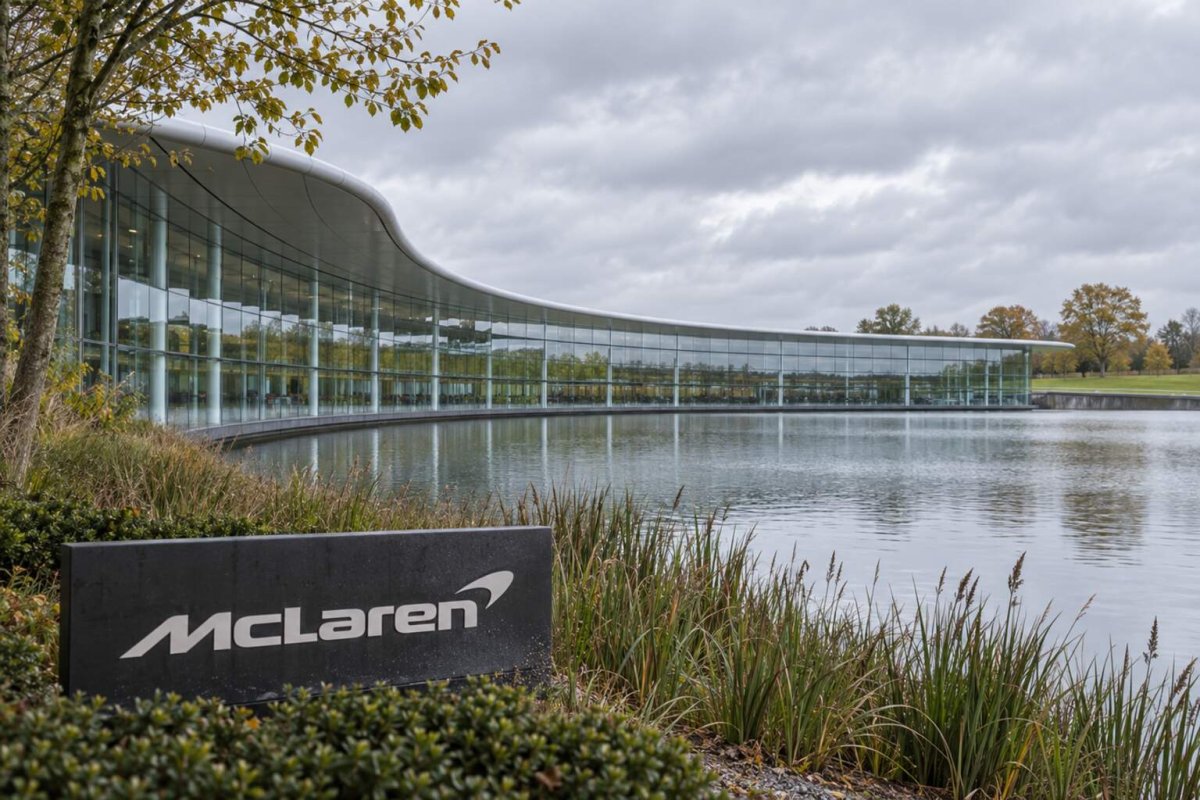
McLaren is making a bold strategic pivot with a £500 million investment aimed at transforming its business model. The privately held supercar maker, backed by Abu Dhabi's sovereign investment group L'IMAD, is funding the development of its first performance SUV, a second UK assembly plant, and in-house engine and transmission production. This move is designed to elevate the company from a niche producer of around 2,000 cars annually into a broader luxury automotive player, with profit margins that could rival those of Ferrari.
The company's chief operating officer, Michael Straughan, revealed in an interview with Autocar that the program is expected to create at least 1,000 jobs within McLaren and its immediate operations by 2032, with a further 3,000 roles potentially emerging across the supply chain. However, it's important to note that the confirmed operating plan does not commit to adding 4,000 people directly to McLaren's payroll; the supply-chain figures are projections, not guarantees.
Key details of the expansion remain under wraps. While the SUV is in advanced planning for a launch before 2030, McLaren has not yet named the site for its additional factory or disclosed its intended annual capacity. The company will also expand its existing facilities in Woking and its carbon-fibre plant in Sheffield. Additionally, the investment includes the development of two combustion engines and matching gearboxes to support a hybrid powertrain strategy, as reported by Reuters.
McLaren Group Holdings is not publicly traded, with L'IMAD—one of Abu Dhabi's sovereign investment arms—consolidating the company under its umbrella this year. For investors, the closest public comparisons are Ferrari and Aston Martin, which offer contrasting case studies in the luxury SUV segment.
Ferrari: The Blueprint for Success
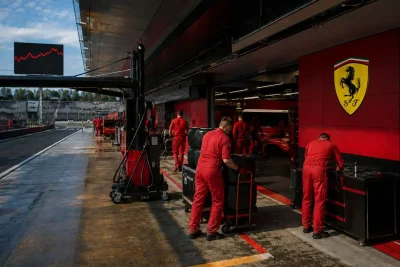
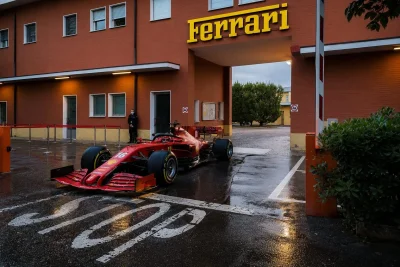
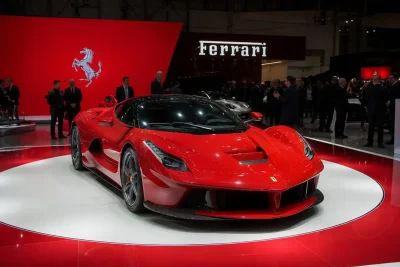
Ferrari's Purosangue SUV demonstrates the potential upside. In the second quarter, Ferrari reported an 8% increase in revenue to €1.938 billion, with industrial free cash flow reaching €276 million. The company's July 30 results highlighted that Purosangue deliveries rose alongside several newer sports cars, underscoring that a well-executed four-door model can broaden a luxury brand's appeal without eroding pricing power—provided volume and allocation remain tightly controlled.
This success story suggests that McLaren's SUV could follow a similar path, but it also underscores the importance of disciplined production and brand management. Ferrari's ability to maintain scarcity has been key to its high margins, a lesson McLaren must heed.
Aston Martin: A Cautionary Tale
Aston Martin offers a more sobering comparison. In the first half of the year, the company saw wholesale volumes rise 21% to 2,331 vehicles and revenue climb 38% to £628.6 million, but it still posted a £108.9 million adjusted operating loss and carried £1.545 billion in net debt. Its average selling price of £241,000, boosted by special models, did not offset the heavy costs of development and inventory. The DBX gave Aston Martin an SUV franchise, but product breadth alone didn't solve its financial challenges.
This serves as a stark reminder that expanding product lines can increase fixed costs and complexity. McLaren's plan to bring engines and transmissions in-house could retain more value per vehicle, but it also transfers engineering and execution risk from suppliers to the company itself. L'IMAD's capital makes the build-out possible, but it does not guarantee the utilization, mix, or warranty performance needed to generate a return.
As of Wednesday, Ferrari shares were trading at €349.55 in Milan, down 0.9%, while Aston Martin was at 33.64 pence in London, up 0.4%. Neither move can be directly attributed to McLaren's announcement. The market is waiting for more concrete details—such as the factory location, installed capacity, SUV pricing, and firm production timelines—before assessing the economic viability of this ambitious plan.
For now, the £500 million investment signals McLaren's seriousness about growth, but the true test will come when the company reveals the specifics that will determine whether it can achieve Ferrari-like margins or fall into the same trap as Aston Martin.