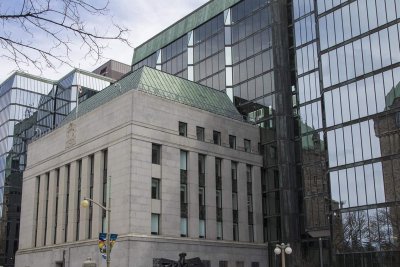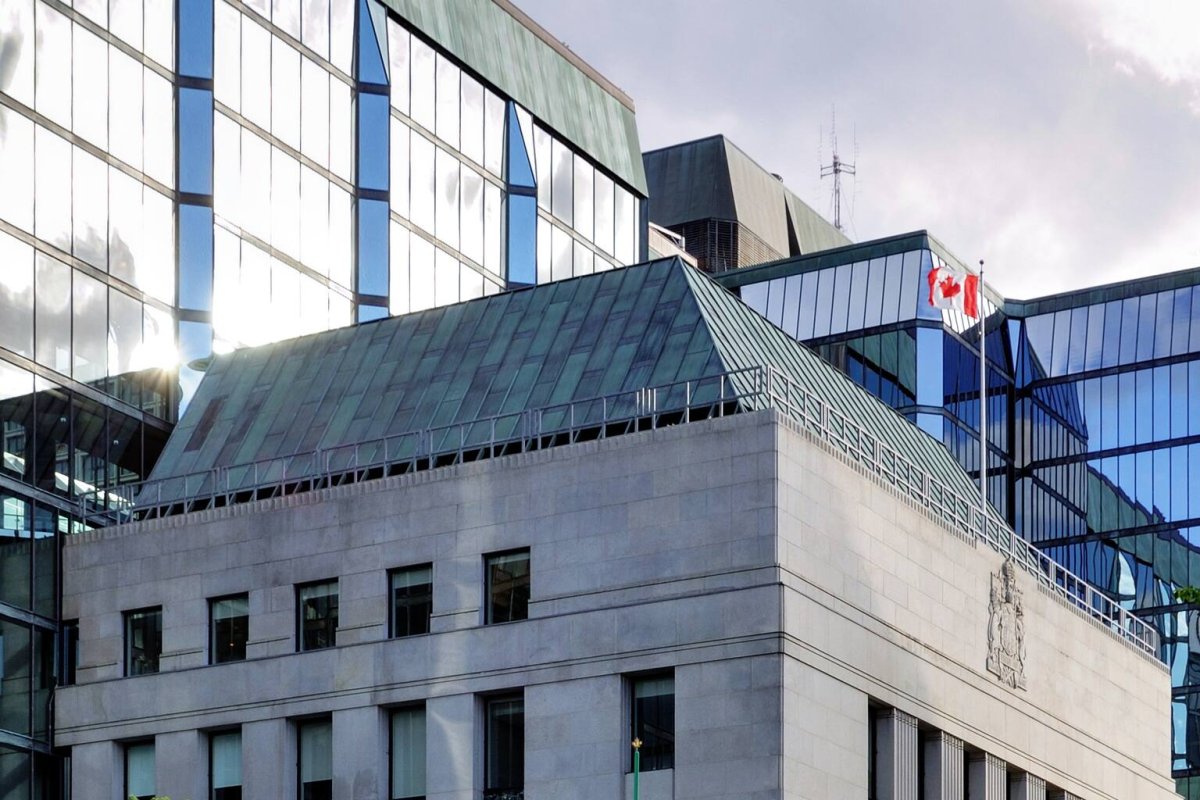
The Bank of Canada has laid out a clear condition that could turn elevated fuel prices into another interest-rate increase: gasoline and diesel costs must begin to spill over into the broader inflation basket. This is the most significant new signal from the Governing Council's summary, released on Wednesday. The minutes do not commit to a hike but instead describe a central bank holding its policy rate at 2.25% while two opposing risks pull at the decision.
On one side, persistent energy inflation could broaden and become entrenched. On the other, U.S. tariffs and a still-soft labour market could weaken demand enough to contain it. For investors, the October 28 decision hinges less on the headline CPI rate than on what remains after stripping out gasoline.
The Rate-Hike Test Is Narrower Than Headline Inflation
Canada's total CPI inflation stood at 3.0% in August, at the top of the Bank's 1%–3% control range. However, its two preferred core measures were much calmer: CPI-trim was 1.9% and CPI-median was 2.0%, according to the Bank's September 17 Daily Digest. The deliberations also noted that July inflation excluding gasoline was 2.2%.
That split explains why the Council looked through the first-round fuel shock. High oil prices, disrupted refinery capacity, and unusually wide refinery margins had lifted pump prices, but officials saw little evidence that businesses were passing those costs broadly into other goods and services. The minutes state that a policy response could be required if that pass-through appears and threatens to make inflation more general.
This is a conditional tightening signal, not a forecast. It makes services inflation, core measures, and evidence of price increases across more CPI components more informative than another gasoline-led 3% reading by itself.
Growth Data Argue for Patience
The counterargument is substantial. The Bank cited 3.3% second-quarter GDP growth and a broader recovery in consumption, exports, business investment, and housing. Yet it still judged the economy to be in excess supply, with unemployment around 6.5% and wage growth subdued. New U.S. tariffs cover roughly 5% of Canadian goods exports to the United States, while the wider trade dispute may restrain confidence, investment, and hiring.
A rate increase aimed at an oil shock would tighten mortgages and business credit after the direct fuel hit has already reduced household purchasing power. If trade damage slows demand, that restraint could stop energy costs from feeding into other prices without help from a higher overnight rate. The Council's problem is timing: waiting too long risks broader inflation, while acting before spillover appears risks adding to economic weakness.
The currency offered no sign of a large policy repricing Thursday morning. USD/CAD was about 1.3994 at 11:12 UTC, only 0.05% above its previous close of 1.3987, meaning the Canadian dollar was marginally weaker, based on Yahoo Finance's intraday quote. The Bank's own indicative daily average moved from C$1.3917 per U.S. dollar Tuesday to C$1.3947 Wednesday.
What Can Change the October Decision
The next policy announcement and Monetary Policy Report arrive on October 28, according to the September rate decision. Before then, investors can test the hawkish case against three observable developments. Watch whether core inflation departs from roughly 2%, higher transport and input costs reach a wider set of consumer prices, and employment and spending hold up as tariffs bite.
A simultaneous rise in core inflation and resilient domestic demand would make 2.25% harder to defend. Stable core measures alongside softer hiring would support another hold even if gasoline keeps headline CPI near the top of the band. The minutes narrow the debate, but the evidence needed for a hike has not arrived yet.