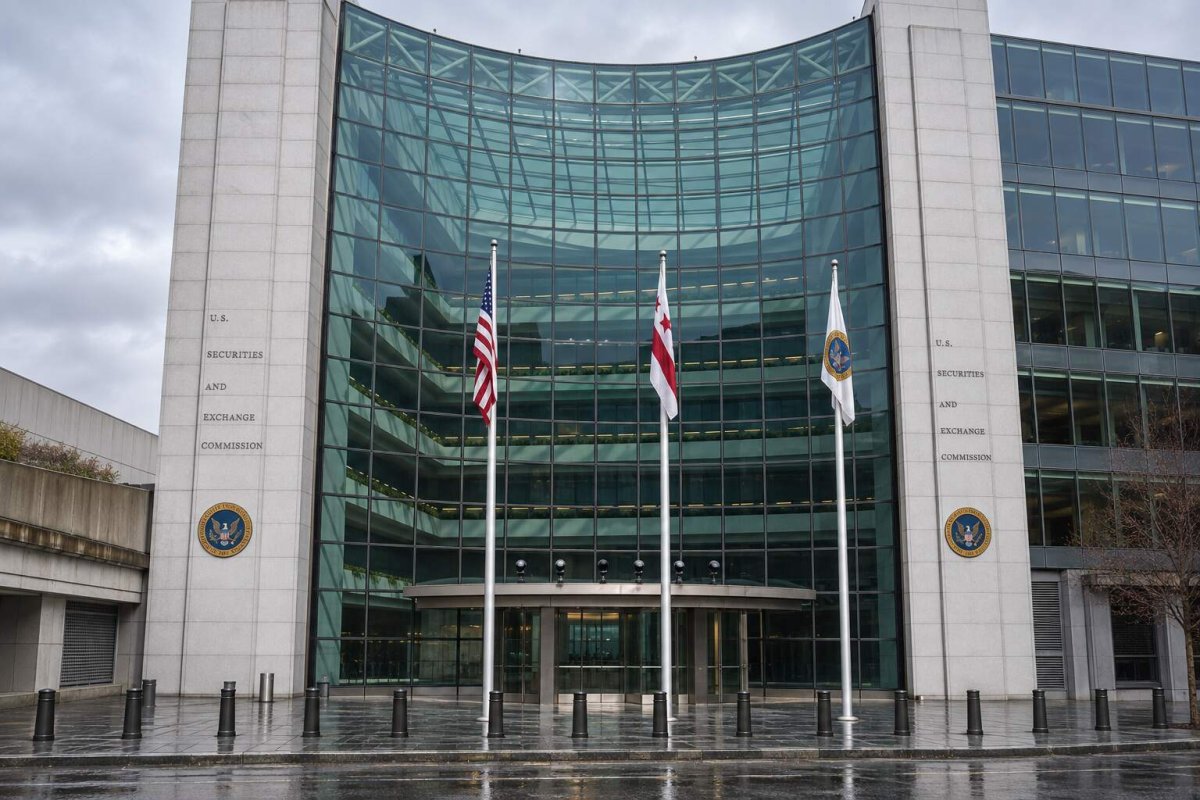
In a significant policy signal, SEC Chair Paul Atkins has directed agency staff to begin drafting a framework that would permit investment advisers to self-custody crypto assets and to utilize state trust companies as custodians, subject to unspecified conditions. The move, disclosed during remarks on September 14, is a notable step for fund managers and custody providers, but it is far from a finalized rule.
Atkins emphasized that the directive is preliminary, stating that the views are his own and not necessarily those of the full Commission. No formal rule text, filing number, or public comment period has been established, leaving the industry in a state of anticipation. The announcement came just one day before the Senate rejected cloture on the Digital Asset Market Clarity Act, with a vote of 49-50, falling short of the 60 votes needed to advance. This legislative setback places more regulatory burden on the SEC and the Commodity Futures Trading Commission, though agency rules cannot fully substitute for the jurisdictional clarity that legislation would have provided.
State Trust Companies Already Have a Path
State trust companies already have a limited route into the crypto custody market. In September 2025, SEC staff issued conditional no-action relief allowing registered advisers and regulated funds to treat certain state trust companies as banks for covered crypto assets and related cash. That relief, however, is not a blanket approval. It mandates annual due diligence, audited financial statements, independent internal-control reporting, asset segregation, and written limits on lending or rehypothecation without client consent. Advisers or fund boards must also determine that the arrangement is in the best interests of clients or shareholders and disclose material risks.
The Promise of Self-Custody
A formal rule permitting advisers to hold private keys themselves would go further, potentially enabling managers to offer strategies involving assets for which no practical qualified third-party custodian exists. It could also reduce the captive demand enjoyed by established crypto custodians like Coinbase Global (COIN). For these providers, the trade-off is mixed: clearer rules may attract more institutional assets onchain, while self-custody and a broader pool of state trust companies increase competition for safeguarding fees.
Market reaction to the policy signal has been muted. Bitcoin traded at $76,235 at 11:33 UTC on September 17, roughly 0.1% above its prior close, while Coinbase shares were quoted at $167.14 in premarket trading, 2.9% below Wednesday’s close, according to Yahoo Finance. These moves also reflect the failed Senate vote, Federal Reserve outlook, and broader crypto risk appetite, making it impossible to attribute them solely to the custody speech.
Safeguards Will Determine Winners
The strongest objection to self-custody is operational rather than ideological. Moving key management, cybersecurity, segregation, and recovery risk onto advisers is a significant shift. SEC Commissioner Caroline Crenshaw made a related case against the 2025 state-trust relief, warning that custody rules protect investors from theft, loss, and misappropriation, and that state trust companies may not offer the same protections as federally chartered banks. Her dissenting statement offers a preview of the scrutiny a broader proposal could face.
Investors should therefore watch the proposal’s perimeter, not just its headline. The deciding details will include which assets qualify, whether self-custody is available to funds as well as separately managed accounts, who verifies private-key controls, what insurance or capital is required, and how assets are isolated in insolvency. Until staff publishes text and the Commission votes to propose it, adviser crypto self-custody remains a policy direction rather than an investable regulatory fact.