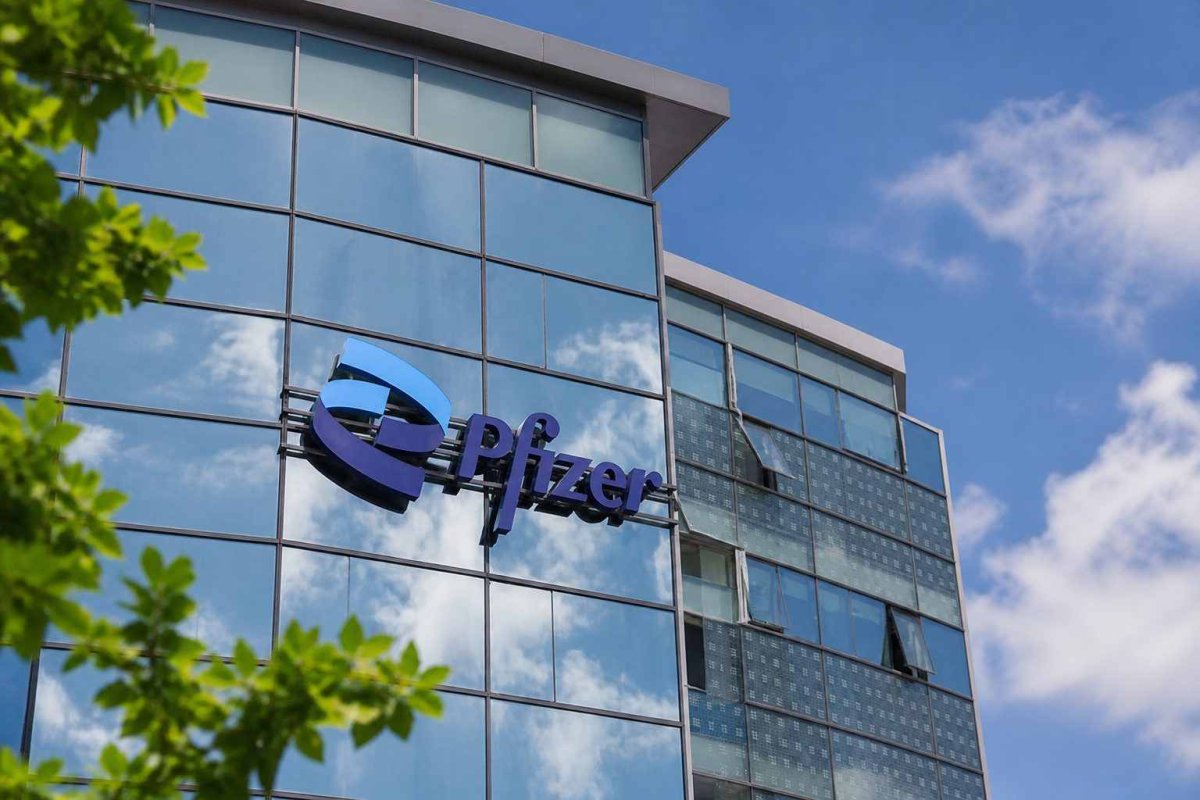
A Delaware federal judge has dismissed Acuitas Therapeutics' lawsuit seeking to protect Pfizer and BioNTech's Comirnaty COVID-19 vaccine from patent claims by GSK, dealing a fresh legal blow to the pharmaceutical giant. Judge Gregory Williams ruled that the court lacked subject-matter jurisdiction to hear the case, leaving the broader patent dispute unresolved and adding to the overhang on Pfizer's stock.
Pfizer shares closed at $25.68 on Friday, down 1.42% for a second consecutive session, despite the S&P 500 gaining 0.84%. Trading volume of 36.8 million shares fell short of the 50-day average, reflecting investor caution as the company navigates a complex legal landscape and shifting revenue streams.
The ruling does not address whether Comirnaty actually infringes on GSK's patents, leaving a key question unanswered for investors. Pfizer is working to pivot investor attention away from its declining COVID portfolio toward growth areas like oncology, blood thinners, and obesity drugs, but the patent uncertainty continues to weigh on sentiment.
Pfizer reported first-quarter revenue of $14.5 billion, a 2% operational increase, with revenue excluding Comirnaty and Paxlovid rising 7%. The company reaffirmed its 2026 revenue guidance of $59.5 billion to $62.5 billion and adjusted diluted earnings per share target of $2.80 to $3.00. CEO Albert Bourla called it a "strong start" and highlighted obesity and oncology as key areas where Pfizer is "positioned to lead."
Wall Street analysts remain cautious. J.P. Morgan's Chris Schott noted that some pipeline drugs "could make the story more interesting over time," while Citi's Geoff Meacham pointed to new products as evidence of "the commercial portfolio's ability to offset ongoing COVID franchise declines." RBC's Trung Huynh was more blunt, calling Pfizer "a catalyst story, not an earnings story."
Pfizer is making strides in its pipeline, with the FDA recently approving Veppanu, a pill developed with Arvinas, for advanced breast cancer with ESR1 mutations. The company's blood thinner Eliquis, co-developed with Bristol Myers Squibb, brought in $2.17 billion in first-quarter revenue. However, Comirnaty sales slumped 59% to $232 million in the quarter, underscoring the challenges ahead.
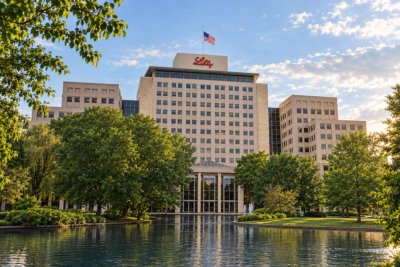
In the obesity space, Pfizer is vying with Eli Lilly, which dominates with its blockbuster diabetes and weight-loss drugs. Even if trial data for Pfizer's first obesity drug from the Metsera deal are positive, the product is unlikely to reach the market before 2028, according to Reuters.
The company caught a break last month by settling patent disputes with three generic manufacturers, pushing back rival versions of the heart drug Vyndamax until 2031. That provides some support for Pfizer's growth story beyond 2028, but the bigger question remains: can the company deliver on its pipeline promises to offset the COVID revenue decline?