The recent wave of Publix store closures has sparked concerns among investors, but a closer look reveals a strategic rebuild rather than a retreat. In the first quarter of 2026, the grocer shuttered eight locations, yet seven of those were directly linked to store replacement initiatives. This pattern underscores the company's ongoing modernization efforts amid a challenging margin environment.
Closures in Context
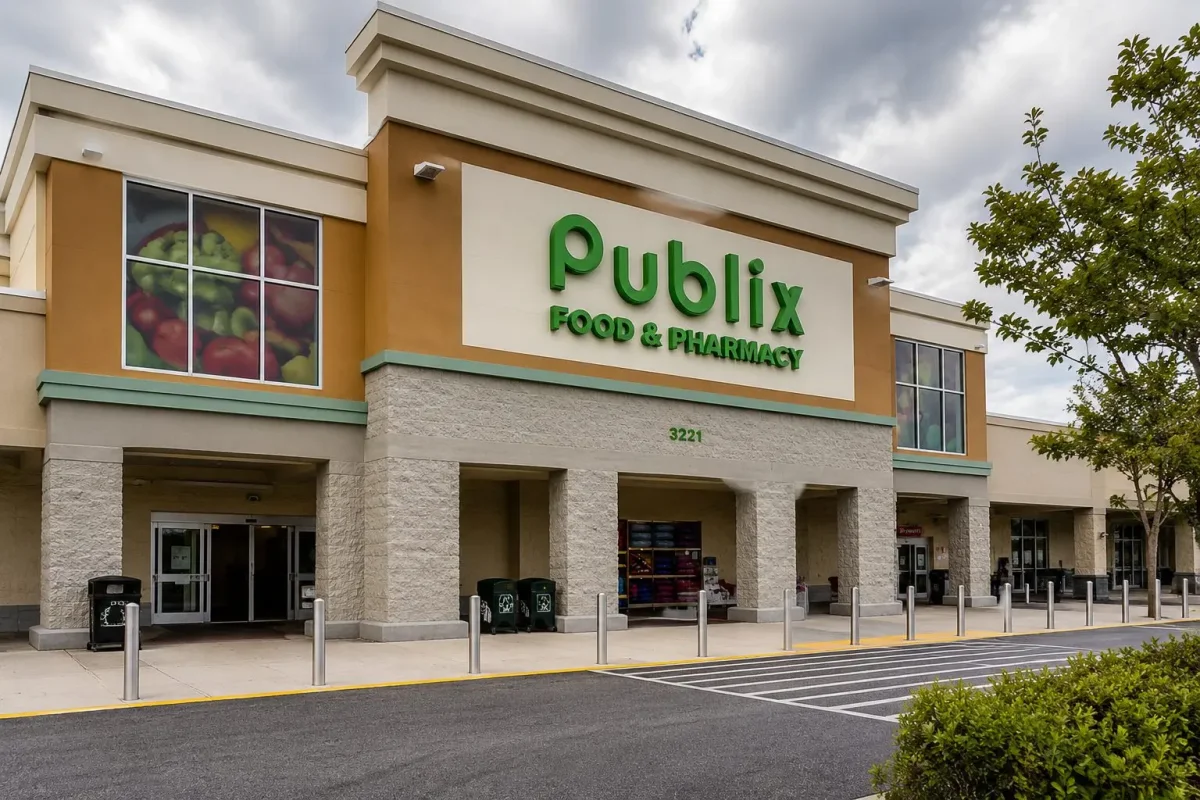
According to widely circulated reports, all four locations slated for closure in 2026 are either being rebuilt or have a new facility nearby. Two additional Georgia stores closed in December 2025, not in 2026 as some lists suggest. A Publix spokesperson confirmed that the Goose Creek, South Carolina, site will be demolished and rebuilt to offer an 'enhanced shopping experience,' emphasizing that these are modernizations, not market exits.
The data from the first quarter reinforces this narrative: between January and March 28, Publix opened seven new stores while closing eight, with 87.5% of closures either already replaced or scheduled for replacement at the same location. This indicates a deliberate strategy to refresh its footprint rather than contract.
Financial Pressures
Despite the rebuild focus, Publix faces headwinds. First-quarter sales reached $16.1 billion, up 2%, but comparable-store sales remained flat. Operating margin contracted to 8.0% from 8.5% a year earlier, while operating and administrative expenses rose to 18.8% of sales from 18.3%, driven by higher payroll and facility costs. Pharmacy sales were also pressured by federal drug pricing changes.
Net income dropped 21.5% to $794 million, largely due to unrealized equity losses. Excluding those fluctuations, profit fell roughly 3% to $1.142 billion. CEO Kevin Murphy highlighted associates as 'the foundation of everything we do,' yet payroll expenses increased as a percentage of sales.
Peer Comparison
Publix's performance lags behind publicly traded peers. Walmart (NYSE: WMT) reported a 4.1% rise in comparable sales for the period ending April 30, while Kroger (NYSE: KR) posted a 1.0% increase in identical sales through May 23. Although reporting periods differ, the contrast underscores Publix's stagnation in a competitive landscape.
For investors, the closure list offers limited direct upside for Walmart or Kroger shares. The more significant takeaway is operational: Publix is holding its ground at existing locations even as comparable sales flatten and profit margins tighten.
Capital Expenditure and Expansion
Publix boosted capital expenditures to $674 million in the first quarter, up from $465 million a year earlier, and projects an additional $1.7 billion in spending for 2026. Last year, the retailer opened 52 new stores and closed 10, resulting in a net gain of 42 locations. Six of those closures are pending replacement at the same sites.
The week highlighted opposing trends: the Palm Bay, Florida, store closed on July 11 for redevelopment, while Publix reopened a 54,964-square-foot location in Winter Haven. The next opening is scheduled for August 12 in Mills River, North Carolina.
Risks and Outlook
Risks include potential construction delays and sustained increases in payroll and facility costs that could further pressure returns. Publix's store closure tally is current as of March 28, and any net-store projections remain provisional. For investors in public grocery firms, the key takeaway is that Publix is reinvesting in its footprint even as it navigates margin compression and flat comparable sales.