QXO Inc. experienced a notable decline in its stock price on Wednesday, falling approximately 5.5% to $14.42, as the market absorbed the completion of its $17 billion acquisition of TopBuild Corp. The shares touched an intraday low of $13.83 before recovering slightly, with nearly 40 million shares traded, reflecting heightened investor activity and uncertainty.
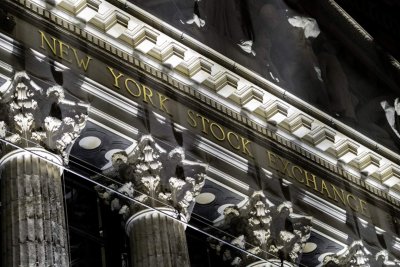
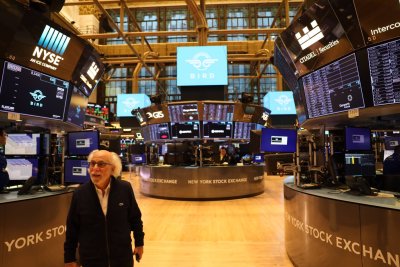
The decline came as the New York Stock Exchange hosted QXO for the opening bell to celebrate the deal's closing, yet the stock underperformed the broader market, trailing the SPDR S&P 500 ETF Trust (SPY) and most building-products peers. Investors are now closely monitoring how QXO will manage the financial and operational integration of TopBuild, particularly given the significant debt and equity components of the transaction.
Deal Structure and Market Reaction
The acquisition, finalized on July 1, positions QXO as a leading distributor in insulation, roofing, waterproofing, and lumber-and-building-materials markets. Chairman and CEO Brad Jacobs emphasized that the deal expands QXO's product portfolio and enhances its exposure to fast-growing end markets such as data centers. The company projects at least $300 million in annual synergies by 2030, primarily from procurement, pricing, and cross-selling initiatives.
However, the transaction's financial mechanics have introduced complexity. Shareholders holding approximately 91% of TopBuild's outstanding shares opted for cash, but the deal was structured as roughly 45% cash and 55% stock, triggering proration. Under the formula, TopBuild holders receive about $249.71 in cash plus 10.211 QXO shares per TopBuild share.
Credit Rating Impact
S&P Global Ratings downgraded TopBuild to BB-, pushing it below investment grade, following the completion of the sale to QXO. The rating agency subsequently withdrew its ratings on the company, a move that underscores the increased financial leverage QXO has taken on to finance the acquisition. This credit downgrade adds to investor concerns about the combined entity's balance sheet strength.
Broader Market Context
The building-products sector faced headwinds on Wednesday, with Builders FirstSource falling nearly 5.0%, Installed Building Products down about 3.0%, and Home Depot declining 2.7%. The SPDR S&P 500 ETF Trust lost roughly 0.4%, indicating a broader market weakness that compounded QXO's challenges. QXO's stock decline was more pronounced than its peers, reflecting both the sector slide and specific investor doubts about the deal's execution.
Jacobs has been aggressive in consolidating the building-products distribution industry, having previously acquired Beacon Roofing Supply and Kodiak Building Partners. The TopBuild deal makes QXO the second-largest publicly traded building-products distributor in North America by revenue, with combined revenues exceeding $18 billion, according to Reuters.
Investor Concerns and Forward Outlook
The primary risk for QXO lies in the potential for a downturn in demand for roofing, insulation, or repair-and-remodel services. If the integration of TopBuild takes longer than anticipated, cost-cutting initiatives could be delayed, and the enlarged balance sheet could pressure the stock further. In May, Jacobs acknowledged softness in the building products industry after QXO reported a first-quarter net loss of $227.1 million on $1.73 billion in net sales.
With the deal now closed, investors are adopting a wait-and-see approach, questioning whether the increased scale will translate into improved profitability and market share. The coming quarters will be critical in determining whether the acquisition delivers on its promised synergies or becomes a drag on performance.