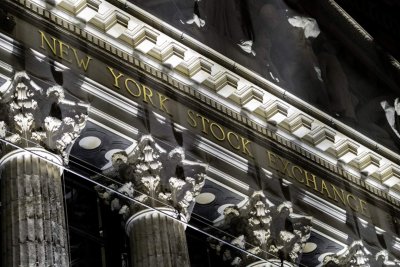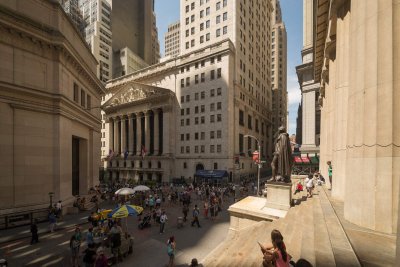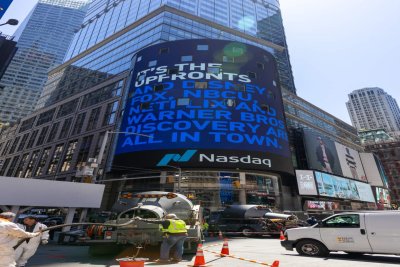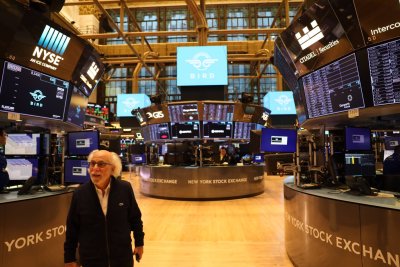
U.S. stocks closed mixed on Wednesday, July 8, 2026, as escalating geopolitical tensions between the United States and Iran pushed the Dow Jones Industrial Average sharply lower, while the Nasdaq Composite managed a modest gain, supported by strength in semiconductor and artificial intelligence stocks.
Dow Drops on Geopolitical Risk
The Dow Jones Industrial Average fell 577.18 points, or 1.09%, to end at 52,347.97. The blue-chip index bore the brunt of selling pressure as investors rotated away from cyclical and industrial stocks. The S&P 500 declined 0.28%, while the Nasdaq Composite rose 0.20%, defying the broader weakness.
The divergence reflected a flight from economically sensitive sectors. Industrial and materials stocks led the S&P 500 lower, while travel names also suffered as oil prices surged. United Airlines dropped 2.3%, Delta Air Lines lost 1.9%, Carnival fell 3.7%, and Norwegian Cruise Line gave up 2.1%.
Oil Surges on Iran News
Brent crude oil jumped 5% after President Donald Trump declared the interim nuclear deal with Iran "over" during a NATO summit in Turkey, according to Reuters. Trump indicated he was not seeking further negotiations and hinted at potential additional U.S. strikes. The spike in oil prices reignited inflation concerns, pushing Treasury yields higher.
"Duration is the key here. How long does this go on?" said Rob Haworth, senior investment strategist at U.S. Bank Wealth Management in Seattle. He noted that markets could react more aggressively if Iranian infrastructure is targeted and retaliation occurs.
Tech Provides a Floor
Technology stocks helped stabilize the market. Broadcom surged after Apple announced a multi-year chip deal worth over $30 billion, covering radio-frequency chips for wireless functions through 2031. Broadcom will invest $1.5 billion to expand its facility in Fort Collins, Colorado, as part of the agreement.
"Any time you get an announcement from Apple about using your equipment, it's pretty positive," said Art Hogan of B. Riley Wealth, citing Apple's massive device ecosystem. Nvidia also rose on reports that China will allow limited purchases of its H200 AI chips, lifting the PHLX semiconductor index by 2.2%.
Fed Minutes Signal Rate-Hike Risk
The Federal Reserve's caution was reinforced by minutes from its June 16-17 meeting. Several officials considered an immediate rate hike, and nine of the 18 policymakers projected a slight increase by year-end. The Fed left its policy rate unchanged at 3.50%-3.75%.
The risk of higher rates looms over equities. Persistent oil price increases could complicate the Fed's inflation fight, raising borrowing costs and reducing the present value of future earnings.
Wednesday's selloff did not reach the afternoon lows some traders had feared. If Iran tensions ease and oil retreats, buyers may return to AI and earnings stories that have supported stocks. However, an escalation could push the Dow lower, with energy prices, rising yields, and shifting Fed expectations all pressuring risk assets.