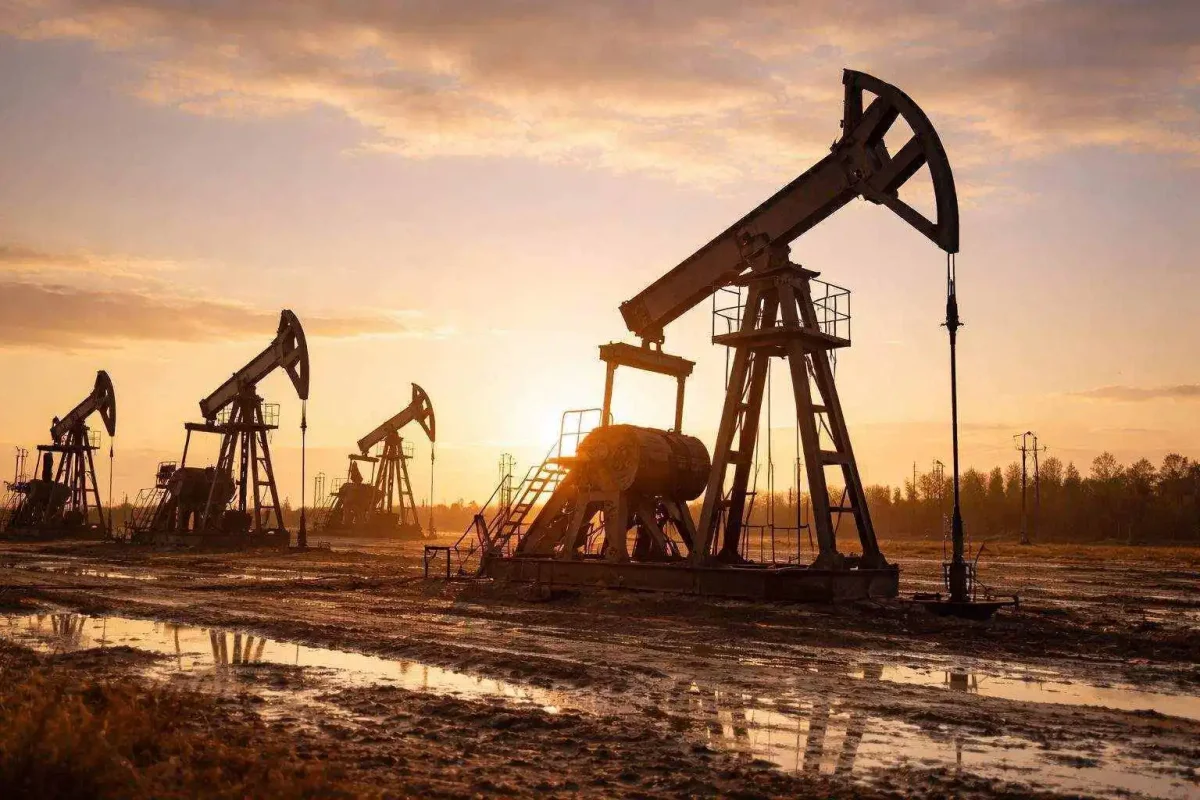
New York, July 11, 2026 – Major U.S. refiners have outpaced both crude oil and the broader energy sector this week, as record-high refining margins draw investor attention. Marathon Petroleum (NYSE:MPC), Phillips 66 (NYSE:PSX), and Valero Energy (NYSE:VLO) each posted gains, with an equally weighted average increase of 6.0%. In comparison, the S&P 500 Energy index rose 3.2%, while U.S. crude futures advanced roughly 4.0%.
Record Margins Drive Refiner Outperformance
The catalyst for this outperformance is not simply rising oil prices. Instead, traders are focusing on limited global refining capacity. The NYMEX 3-2-1 crack spread—a key measure of the profit margin for converting three barrels of crude into two barrels of gasoline and one barrel of distillate—reached an unprecedented $64.58 per barrel on July 8. “There’s just not enough refining capacity left globally to deal with all this,” said Neil Crosby, an analyst at Sparta Commodities, in a Reuters report.
Weekly Performance Data
From July 2 closes (adjusted for the July 3 Independence Day holiday), Marathon Petroleum added 6.5% to close at $283.74, Phillips 66 rose 6.8% to $188.36, and Valero Energy gained 4.8% to $280.69. The equal-weight refiner basket climbed 6.0%, while the S&P 500 Energy index settled at 839.58. West Texas Intermediate crude futures ended at $71.41 per barrel, up about 4.0%, and Brent crude closed at $76.01, a 5.4% increase.
Supply and Demand Dynamics
The 2.8-percentage-point spread between refiners and the broader energy sector signals that investors are betting on a refined-product shortage rather than simply chasing energy stocks that track crude. This trade could persist if fuel margins remain robust, even if oil prices do not continue to rise. Physical market indicators support this view: U.S. petroleum-product exports hit a record 8.73 million barrels per day for the week ended July 3. Gasoline inventories fell by 1.9 million barrels to 212.1 million, while distillate stocks—mostly diesel and heating oil—dropped nearly 5 million barrels to 103.6 million. Both are below seasonal norms.
Russian Supply Constraints
Russia has further tightened the market. Diesel exports fell to approximately 234,000 barrels per day in early July, down from a 2025 average of 817,000 bpd, due to refinery issues and Moscow’s export ban. U.S. diesel futures surged 11.6% on Wednesday. “Diesel is the one product that everybody needs to watch,” said Tom Kloza, chief energy adviser at Gulf Oil, in a Reuters interview.
Crude Pullback and Geopolitical Factors
Crude prices eased on Friday, with WTI dropping 0.9% and Brent slipping 0.4%, as traders anticipated smoother traffic through the Strait of Hormuz. “This market is ready, willing and able to jump on good news or at least no bad news,” noted John Kilduff, partner at Again Capital, as reported by Reuters. Meanwhile, U.S. supply continues to expand. Baker Hughes (NASDAQ:BKR) reported that the oil and gas rig count rose to 581, the highest level since May 2025 and up 8% year-over-year. Oil rigs held steady at 445, while gas rigs increased to 126. More rigs typically signal higher future output, which could limit producer gains even as it boosts demand for equipment and services.
Outlook and Risks
The current setup remains fragile. A lasting U.S.-Iran agreement and increased ship passages through the Strait of Hormuz could push oil and fuel prices lower. If demand drops at an average gasoline price of $3.88 per gallon, inventories build, or outages such as Marathon’s 146,000-barrel-per-day Detroit issue persist, margins could compress or volumes decline. The first major test comes Wednesday, July 15, when the Energy Information Administration releases new U.S. petroleum data. Investors will watch for signs of continued tightness in gasoline and distillate inventories and whether exports remain near record highs. A wildcard is ongoing talks regarding Iran’s public pledge to keep the Strait of Hormuz open, with Iran’s foreign minister in Oman on Saturday.
Energy stocks did not all move in lockstep this week. The clear advantage went to refiners capable of converting tight crude supply into fuel. If the shortage persists, refiners could continue to lead. However, if inventories rebuild, the margin-driven gains could unwind just as quickly.