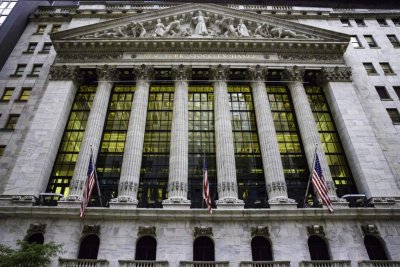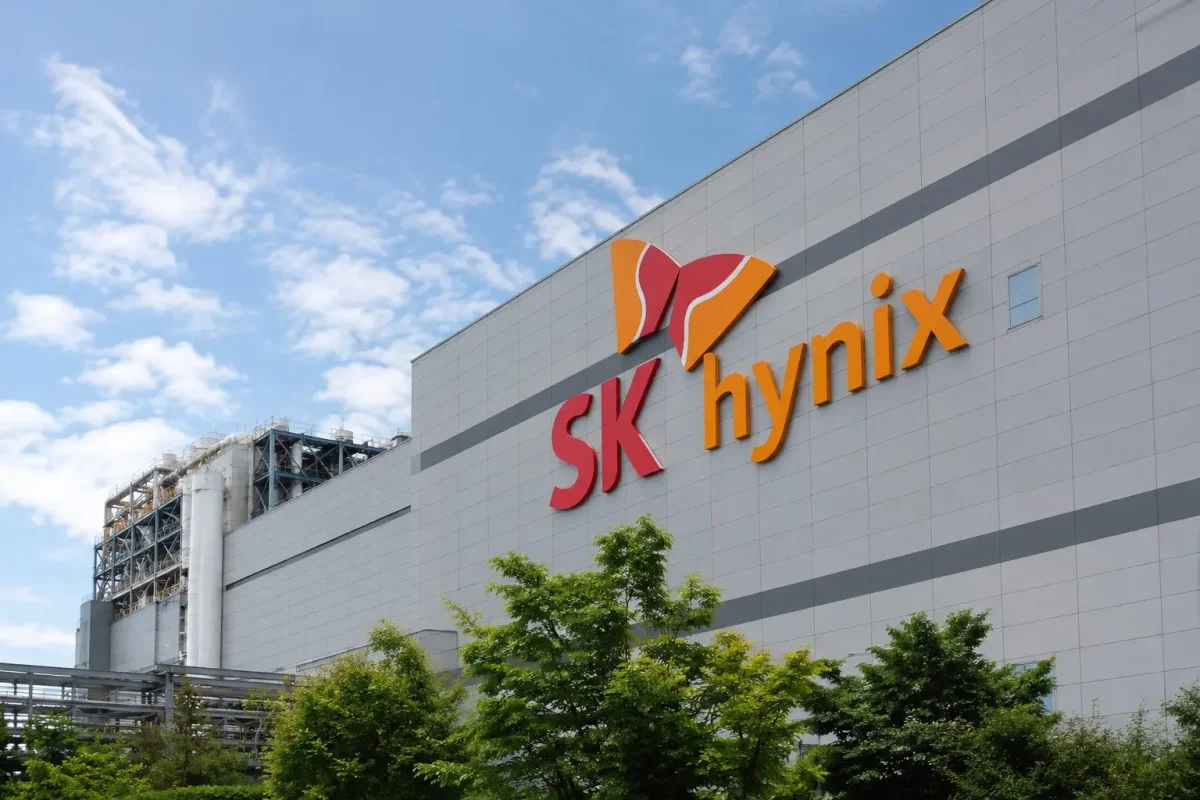
SK Hynix (NASDAQ: SKHY) made a blockbuster entrance on the Nasdaq on Friday, raising $26.5 billion through the sale of 177.9 million American depositary receipts at $149 each. The South Korean memory giant's US debut, valued at approximately $29.9 billion after shares closed at $168.01, underscores the market's intense focus on artificial intelligence-related memory chips. However, the listing also revealed a clear split in investor sentiment within the semiconductor sector.
While the broader PHLX Semiconductor Index rose 2.7% from July 2 through July 10, the gains were far from uniform. An unweighted basket of chip designers—Nvidia (NASDAQ: NVDA), Broadcom (NASDAQ: AVGO), and Advanced Micro Devices (NASDAQ: AMD)—surged an average of 9.0% over the same period. In contrast, memory specialist Micron Technology (NASDAQ: MU) and contract chip manufacturer Taiwan Semiconductor Manufacturing Co (NYSE: TSM) averaged a mere 0.2% gain, creating an 8.8 percentage point performance gap.
The divergence was particularly stark for Broadcom, which jumped 11.0% after announcing an extension of its custom-chip partnership with Apple (NASDAQ: AAPL) through 2031. The PHLX index itself added 2.2% on Monday following that news. Jake Dollarhide, CEO of Longbow Asset Management, noted that the market is "leaving a lot of people out."
Micron's update drew a mixed response. Shares gained 4.5% on Thursday after the company raised its US investment target through 2035 to over $250 billion, up from $200 billion, and disclosed that customers had secured $22 billion in memory supply. Yet by week's end, Micron was up just 0.4%, lagging the chip designer basket by about 8.6 percentage points. This contrast does not necessarily signal a rejection of memory plays; rather, access may have played a larger role than additional capital spending pledges. High-bandwidth memory (HBM), which stacks fast chips next to AI processors to accelerate data transfer, remains a key focus. Janus Henderson's Richard Clode described SK Hynix as "the leader in high bandwidth memory globally for the first time," while Giuseppe Sette of Reflexivity called it "the purest large-cap way for U.S. investors to own the AI-memory theme."
SK Hynix is closest to Micron among US-listed memory makers, offering investors a direct comparison. Daniel Newman, CEO of Futurum Group, noted that "SK Hynix leads on share and is closer to Nvidia, Micron has better power efficiency, strong U.S. exposure, and good momentum from third place." The deal drew demand more than seven times the available shares, according to a source.
Chief Executive Kwak Noh-jung sounded a cautionary note on supply. He forecast that "next year will be the worst year in the industry's history from the supply perspective," and added that customer demand may stay above SK Hynix's capacity past 2030. The sector has yet to recover from June's break; the PHLX closed Friday at 12,967.2, just above its 10-week moving average of about 12,675, but still 11.4% below the record from June 22. The index had surged 101% in the first half, its biggest gain since Reuters began tracking in 1994.
Next week puts the capacity story to the test as earnings roll out. TSMC will deliver its delayed June sales on Monday, followed by second-quarter numbers on Thursday. ASML Holding (NASDAQ: ASML) is set to report on Wednesday; the company makes advanced lithography machines for silicon wafers. The earnings hurdle is steep: tech sector profits are forecast to jump 65.5% in the second quarter, according to LSEG IBES data. Bruce Zaro of Granite Wealth Management warned that "those earnings bars … have been set at a higher level now." If TSMC's sales or ASML's orders and margin view fail to support the current capacity surge, investors might begin to see today's chip shortage as tomorrow's glut and unwind this week's rally.
The best sign will be in relative moves. If Micron, TSMC, and ASML all jump after results, traders are leaning into the entire AI hardware trade. But if Nvidia, Broadcom, and AMD lead again this week, then the market is still sticking to chip designers with loyal clients, not just the players with more capacity.