Reitar Logtech Holdings Limited (NASDAQ: RITR) experienced a dramatic surge in its stock price on Monday, August 3, 2026, jumping 468.9% to $0.3214 by 1:14 p.m. EDT. The surge followed the announcement of a memorandum of understanding (MOU) with Cainiao, the logistics arm of Alibaba Group, to collaborate on smart warehouse and automated logistics projects in Europe. The trading volume was extraordinary, reaching approximately 1.25 billion shares, which is roughly 20 times the company's last disclosed total share count. This level of turnover suggests a highly speculative trading session, with significant attention from retail and institutional investors alike.
The preliminary market capitalization of Reitar rose by approximately $16.5 million to $20.1 million, a figure that represents 2.3 times its latest half-year revenue of $7.1 million. This valuation multiple, however, is based on a non-annualized revenue figure and underscores the disconnect between the current market enthusiasm and the company's actual financial performance. According to the company's most recent interim financial statements, revenue fell sharply by 71.4% year-over-year to HK$55.5 million, while gross margin contracted to just 5.3%. The company also swung to a net loss of HK$42.9 million for the period, compared to a profit of HK$24.3 million in the prior year.
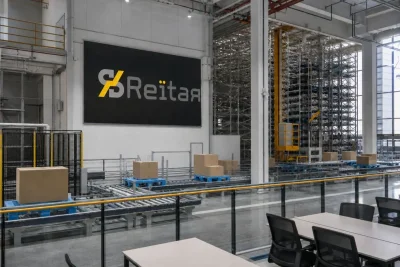
The MOU with Cainiao outlines a framework for potential collaboration on overseas smart warehouse and automated logistics projects. Specifically, Cainiao has instructed Reitar's subsidiary, Jingxing HK, to begin material preparation for a project in Spain, with first deliveries expected in September, subject to the execution of a definitive contract. The Netherlands is also named as a target market, while Germany and other markets are mentioned under “priority consideration” with equivalent commercial and technical terms. However, the MOU does not include any binding order, pricing, volume, or margin commitments. Cainiao's vice president, Bi Jianghua, praised the technical fit of Reitar's racking solutions, but the commercial terms remain to be negotiated.
The lack of definitive terms is a critical concern for investors. The MOU is a non-binding framework, and any actual procurement will require separate contracts that define pricing, payment terms, acceptance criteria, warranties, and liabilities. The rally appears to be driven by speculation rather than confirmed fundamentals. The company's financial health is precarious: operating cash flow was negative at HK$29.9 million for the half-year, and cash reserves stood at just $2.64 million against bank borrowings of $10.69 million. Reitar also filed a late notice for its annual Form 20-F on July 31, citing unfinished statements and disclosures, though it denied any auditor disputes.
Furthermore, Reitar is under pressure to regain compliance with Nasdaq's minimum bid price requirement. The stock remains 67.9% below the $1 minimum at the time of the snapshot, and the company must close at or above $1 for 10 consecutive business days by September 22 to avoid delisting. The company also has a contingent funding arrangement for up to 15 million new shares at a subscription price of $4 per share, which is 13.9 times the current price, but the completion of this deal is uncertain and would represent a 24% dilution of the current share base.
The market's reaction to the MOU is reminiscent of other speculative rallies driven by non-binding agreements. Without clear evidence of a definitive order and the economic terms, the sustainability of this surge is questionable. The next key milestones will be the signing of a formal contract for the Spain project, disclosure of order economics, and eventual delivery acceptance and revenue recognition. Until then, investors are left to weigh the potential upside against the substantial risks, including the possibility that the MOU fails to materialize into a binding agreement.
In summary, while the news of the Cainiao MOU has ignited a massive rally in Reitar's shares, the lack of binding commitments and the company's weak financial position suggest that the move may be overdone. The company's ability to convert this memorandum into a profitable business will be crucial in determining whether the stock can sustain its gains or will revert to prior levels.