Shares of Rigetti Computing, a developer of quantum computing systems, posted a modest gain in Friday's trading session, closing at $16.17, an increase of approximately 0.6%. The stock experienced intraday volatility, trading between $15.90 and $17.25. The movement comes as new regulatory disclosures highlighted stock sales by two of the company's top executives, drawing attention to the firm's ongoing efforts to commercialize its advanced technology.
Insider Transactions for Tax Withholding
According to Form 4 filings with the Securities and Exchange Commission, Chief Technology Officer David Rivas disposed of 36,719 shares on March 10 at a weighted average price of $17.5201. The filing indicated the sale was to cover tax liabilities associated with the vesting of restricted stock units (RSUs). Separately, Chief Financial Officer Jeffrey Bertelsen sold 4,270 shares at an average price of $17.5186, also for tax withholding purposes. Notably, Bertelsen also acquired options for 180,000 shares with a strike price of $16.99.
Financial Performance and Commercial Progress
The company recently reported its full-year 2025 financial results, posting revenue of $7.1 million. It also reported a substantial net loss of $216.2 million for the year. As of the end of December 2025, Rigetti held $589.8 million in cash, cash equivalents, and available-for-sale investments.
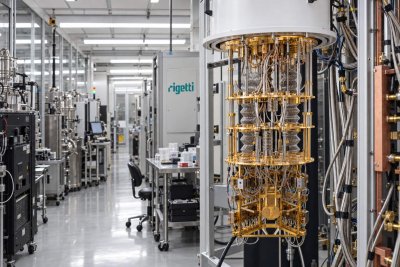
On the commercial front, CEO Subodh Kulkarni pointed to growing demand for on-premises quantum systems from government and research institutions. He highlighted a significant $8.4 million sale to India's Centre for Development of Advanced Computing for a 108-qubit computer. Additionally, a Japanese research group has placed an order for a Novera quantum processing unit (QPU), scheduled for delivery in April 2026.
Roadmap Delay and Technical Hurdles
A key focus for investors remains the company's product roadmap. In January 2026, Rigetti announced a delay in the general availability of its flagship 108-qubit system, named Cepheus-1-108Q. The launch is now targeted for the end of the first quarter of 2026. Management cited the need for additional testing, optimization, and work to improve two-qubit gate fidelity—a critical metric that measures the precision of operations performed by paired quantum bits.
Market Context and Analyst Perspective
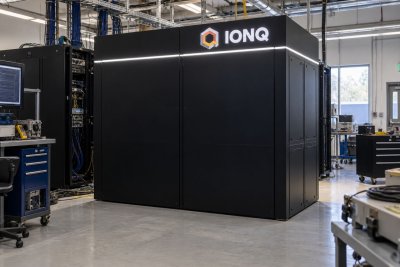
Rigetti's stock performance continues to correlate with the broader quantum computing sector. On the same trading day, peer company IonQ showed little movement, while D-Wave Quantum's shares declined by about 1.5%. Last month, analysis from Barron's cited Cantor Fitzgerald analyst Troy Jensen, who suggested the Cepheus delay does not fundamentally undermine Rigetti's longer-term strategic plan.
The company faces clear risks, as detailed in its SEC filings. These include potential further delays in hardware deliveries, uncertainty around future purchase orders, and shifts in government funding priorities—all significant factors for a business still heavily reliant on public sector and academic demand.
Investor Outlook
For now, the insider stock sales, executed for routine tax reasons, have not altered the core investment thesis for Rigetti. Market participants remain concentrated on whether the company can successfully convert its technological advancements and growing system interest into a sustainable revenue stream, before any further roadmap setbacks potentially impact the stock's valuation. The coming quarters will be critical as the company approaches its revised launch window for the 108-qubit system.