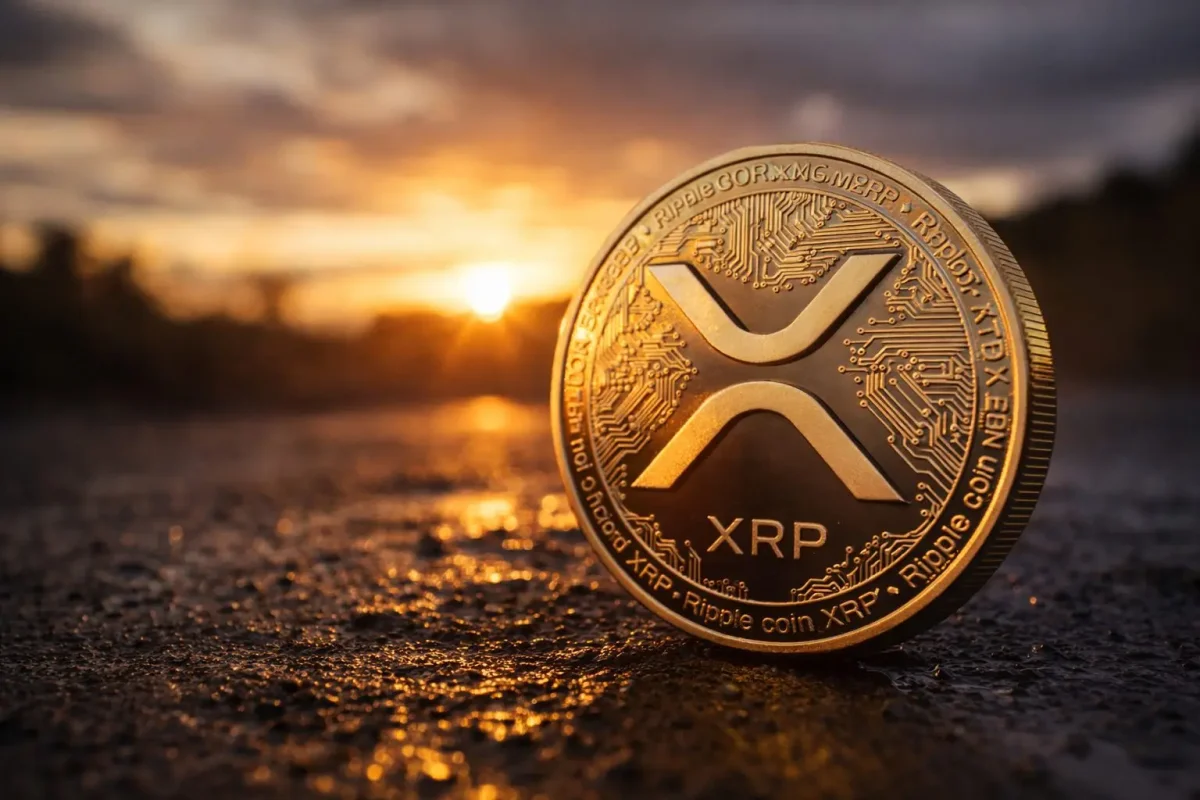
The digital asset XRP traded near $1.38 on Thursday, registering a decline of approximately 1.4% for the session. The token's movement came despite significant corporate developments from Ripple, the company closely associated with XRP, which announced a major share repurchase program and new regulatory ambitions in the Asia-Pacific region.
Corporate Moves Fail to Ignite Token Price
According to a Bloomberg report, Ripple is preparing to repurchase up to $750 million worth of shares from employees and investors through a tender offer concluding in April. This transaction would value the blockchain payments firm at roughly $50 billion, a notable increase from the $40 billion valuation established during a $500 million funding round in November of last year.
In a separate strategic move, Ripple disclosed plans on March 11 to secure an Australian Financial Services License through the acquisition of BC Payments Australia. This license would empower the company to directly handle payment settlement, regulatory compliance, currency conversion, and payout services in the Australian market. Fiona Murray, Ripple's Managing Director for Asia-Pacific, emphasized that "licensing is fundamental to Ripple's strategy," highlighting that the company's payment volume in the APAC region nearly doubled during 2025.
Macroeconomic Headwinds Overshadow Company News
Despite these substantial corporate announcements, XRP's price action remained closely aligned with the broader cryptocurrency market rather than reflecting Ripple's private valuation. Market participants appeared to look past Ripple-specific news, refocusing on traditional macroeconomic indicators and their implications for monetary policy.
The latest U.S. Consumer Price Index data showed a monthly increase of 0.3% for February, translating to a 2.4% annual rise. While these figures provided temporary relief to investors on Wednesday, concerns about persistent inflation were quickly reignited by geopolitical tensions affecting oil markets. Crude oil prices hovered near the $100 per barrel threshold, applying upward pressure on inflation expectations.
Monica Guerra, an analyst at Morgan Stanley Wealth Management, cautioned that elevated oil prices could "complicate" the Federal Reserve's upcoming policy decisions. Major financial institutions have begun adjusting their forecasts; Goldman Sachs recently pushed back its prediction for the first interest rate cut to September, abandoning a prior call for a June reduction. However, a Reuters survey indicated that a majority of economists continue to anticipate an initial cut in June.
Broader Crypto Market Trends
The wider digital asset market exhibited minimal movement on Thursday. Bitcoin, the leading cryptocurrency by market capitalization, dipped 0.7% to trade around $70,331. Ether, the native token of the Ethereum network, showed little change, holding steady near $2,065. The collective stagnation suggested a market in wait-and-see mode, with traders assessing the interplay between stubborn inflation data and the timeline for potential monetary easing.
XRP continues to navigate the lingering effects of its lengthy legal confrontation with the U.S. Securities and Exchange Commission. The lawsuit, initiated in 2020, reached a pivotal moment in 2023 when a federal judge in New York ruled that sales of XRP on public exchanges did not constitute securities offerings. The legal saga finally concluded in August 2025, with both parties abandoning their appeals. The settlement left Ripple with a $125 million penalty and a permanent injunction.
Currently, XRP is trading significantly below its 52-week high of nearly $3.66. On Thursday, the token fluctuated between $1.37 and $1.41. The primary risk for XRP and the broader crypto asset class appears clear: if oil prices remain high and expectations for Federal Reserve rate cuts are delayed further, digital assets may continue to trade sideways or face additional downward pressure as macroeconomic forces retain control of market sentiment.