Financial markets pivoted decisively toward risk assets on Tuesday, April 14, 2026, as speculation over potential diplomatic engagement between the United States and Iran dampened safe-haven demand and fueled a rally in equities. The shift in sentiment triggered the U.S. dollar's seventh consecutive daily decline and pulled a key fear gauge back toward pre-conflict levels.
Dollar and Volatility Retreat
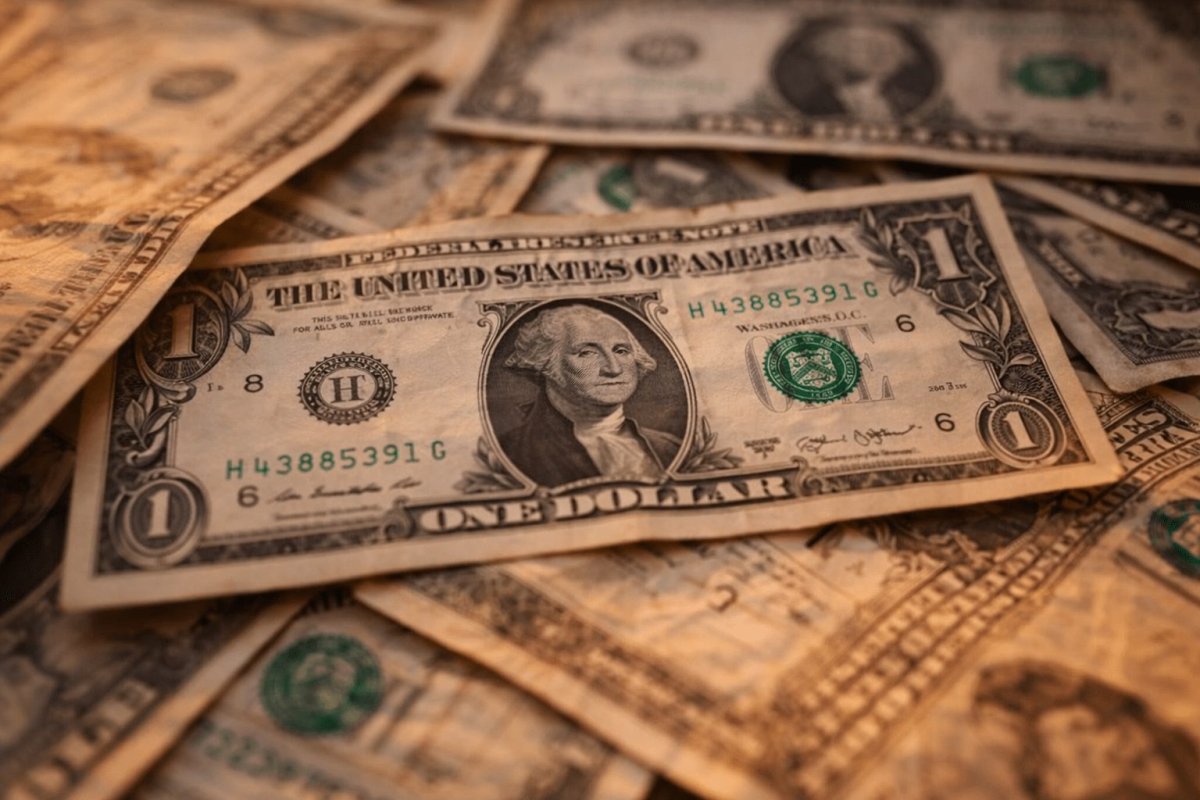
The U.S. Dollar Index (DXY), which measures the greenback against a basket of major currencies, fell to 98.08, briefly touching 97.968—its lowest level since March 2. Concurrently, the Cboe Volatility Index (VIX), often referred to as Wall Street's "fear gauge," retreated to hover near 18.4, a significant step down from its elevated readings last month and closer to levels observed before the outbreak of hostilities.
Analysts attributed the moves to market reactions to signals from Washington about possible renewed dialogue with Tehran, despite an ongoing blockade of Iranian ports. "Markets are reacting to a shift from missiles to words," noted Bob Savage of BNY Mellon, adding that investors are beginning to price in "a beginning to the end of the war."
Equities Rally, Oil Tumbles
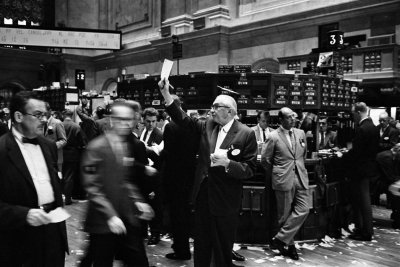
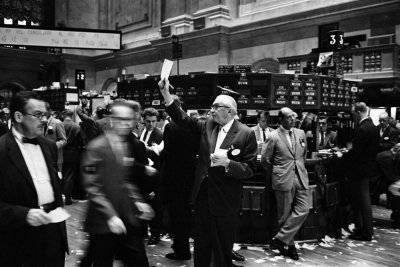
Equity markets capitalized on the improved risk appetite. The S&P 500 index closed at 6,962.85, a gain of 1.11%. The technology-heavy Nasdaq Composite outperformed, climbing 1.84%. The rally occurred alongside a sharp reversal in crude oil markets, a key barometer of geopolitical tension. Brent crude futures settled at $95.02 per barrel, down 4.37%, while U.S. West Texas Intermediate (WTI) crude slumped 7.27% to $91.88.
Currency markets reflected the easing of safe-haven flows. The euro strengthened to $1.1796 against the dollar, while the British pound reached $1.3569. The Japanese yen, a traditional haven, gained ground to 158.72 per dollar. The Canadian dollar, often tied to commodity and risk sentiment, climbed to a three-week high.
Analyst Perspectives on the Shift
Market strategists interpreted the White House's posture as offering "very clear guidance" about seeking an "exit ramp," according to Karl Schamotta of Corpay. He had previously highlighted the dollar's crowded positioning, suggesting it was ripe for a pullback if market stress abated. The fading of the dollar's war premium has been more pronounced against European currencies, partly due to expectations that the European Central Bank and, in some areas, the Bank of England, may maintain a tighter policy stance relative to the Federal Reserve.
Francesco Pesole, a strategist at ING, noted that the euro's ability to hold above $1.1800 is contingent on "clear progress" in the negotiations. The relative interest rate dynamics between central banks continue to feed into currency valuations.
Inflation Data and Economic Outlook
Economic data released Tuesday provided a mixed picture. U.S. producer prices rose 0.5% in March, slightly below analyst expectations. However, the report showed significant pressure in energy categories, with energy prices jumping 8.5% and gasoline surging 15.7%. Service prices remained unchanged. Some economists pointed to early indications that the pass-through effects of tariffs might be fading, though ongoing conflict concerns kept fuel prices elevated.
The broader economic outlook carries concerns. The International Monetary Fund (IMF) trimmed its 2026 global growth forecast to 3.1%. Chief economist Pierre-Olivier Gourinchas warned that each additional day of turmoil brings the world "closer toward the adverse scenario," which could leave oil near $100 per barrel and global growth as low as 2.5%. The IMF had indicated that, barring the conflict, it was prepared to raise its growth forecast, aided by the prospect of milder U.S. tariffs.
Market Vigilance Remains
Despite the day's optimistic price action, caution prevails. Charu Chanana, chief investment strategist at Saxo Bank, characterized the move as "trading hope, not resolution." The assessment underscores the fragile underpinnings of the rally. A collapse in talks, another shock to energy assets, or escalated disruption in critical waterways like the Strait of Hormuz could trigger a rapid snapback in the dollar and the VIX.
Investors continue to circle the oil market, watch geopolitical developments, and scrutinize central bank signals. The balance has clearly moved, but as the data and commentary suggest, markets remain highly sensitive to the next headline from the diplomatic front.