Robinhood Markets concluded a volatile trading week with its stock price declining 4.5% to close at $75.85 on Friday, March 1, 2026. This move reversed an 8% rally achieved over the prior two sessions. In after-hours trading, the stock edged down an additional 0.5%. Since early February, shares of the fintech brokerage have shed approximately 16% of their value, reflecting broader market unease and company-specific concerns.
All Eyes on the CFO
The financial community's attention is now firmly fixed on Robinhood's newly appointed Chief Financial Officer, Shiv Verma. Verma is scheduled to speak at the Citizens Technology Conference on Monday, March 2, at 2:00 p.m. Eastern Time. Investors and analysts will be listening closely for any commentary on customer trends, new product initiatives, and the company's growth trajectory. Verma officially assumed the CFO role on February 6, 2026, according to an SEC filing, with former CFO Jason Warnick transitioning to an advisory capacity through September 1, 2026.
This appearance takes on heightened significance following Robinhood's fourth-quarter earnings report, which revealed revenue of $1.28 billion, missing analyst estimates of $1.34 billion. A notable shortfall came from its crypto trading segment, which generated $221 million against expectations of $248 million. Verma had previously noted the company's tiered crypto pricing structure, indicating that high-volume traders benefit from lower fees.
Broader Market Jitters
The backdrop for Verma's remarks is a market grappling with renewed geopolitical tension. Over the weekend, reported strikes by U.S. and Israeli forces on Iran spurred a flight to safety among global traders. This triggered a surge in over-the-counter oil prices, with traders citing gains between 8% and 10%, and raised concerns about a potential sell-off in global equities when markets reopened.
The risk-off sentiment was already palpable on Friday. The S&P 500 index declined 0.43%, while the Nasdaq Composite fell 0.92%. Investors contended with a mix of concerns, including potential AI-driven economic disruption, renewed international trade tariff worries, and the escalating geopolitical landscape. "To wrap up the month of February, we were reminded there are still some cracks out there," remarked Ryan Detrick, chief market strategist at Carson Group.
Robinhood's Strategic Pivot
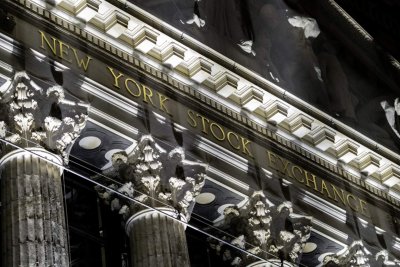
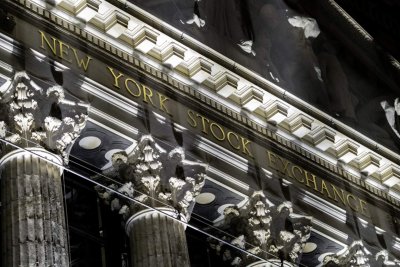
Beyond quarterly results, investors are monitoring Robinhood's strategic shift beyond its core brokerage services. In February, the Robinhood Ventures Fund I, an entity associated with the company, launched its IPO roadshow. The fund aims to offer 40 million shares at $25 each and list on the New York Stock Exchange under the ticker "RVI," with Goldman Sachs acting as the lead bookrunner.
In a separate statement, Robinhood described RVI as a closed-end fund designed to provide retail investors access to stakes in prominent private companies such as Databricks, Ramp, and Revolut. The company also announced a lined-up agreement to acquire shares of payment giant Stripe following its initial public offering. CEO Vlad Tenev framed the initiative as addressing a fundamental market inequity, stating, "Opening up private markets will resolve one of the greatest longstanding inequities in capital markets today."
Outlook and Risks
The immediate challenge for Robinhood is to reassure a nervous market. A polished presentation from CFO Verma may not be enough to shield the stock if broader market conditions deteriorate. High-beta fintech names like Robinhood are often particularly vulnerable to fading risk appetite. Should oil prices continue their ascent, prompting sustained defensive positioning, HOOD could face further pressure irrespective of the company's commentary.
The coming days represent a critical period for the company. Traders seeking direction have pinpointed Verma's conference appearance as the key event. Robinhood must effectively communicate a compelling growth narrative and strategic vision to stabilize its stock performance amid a complex and jittery market environment.