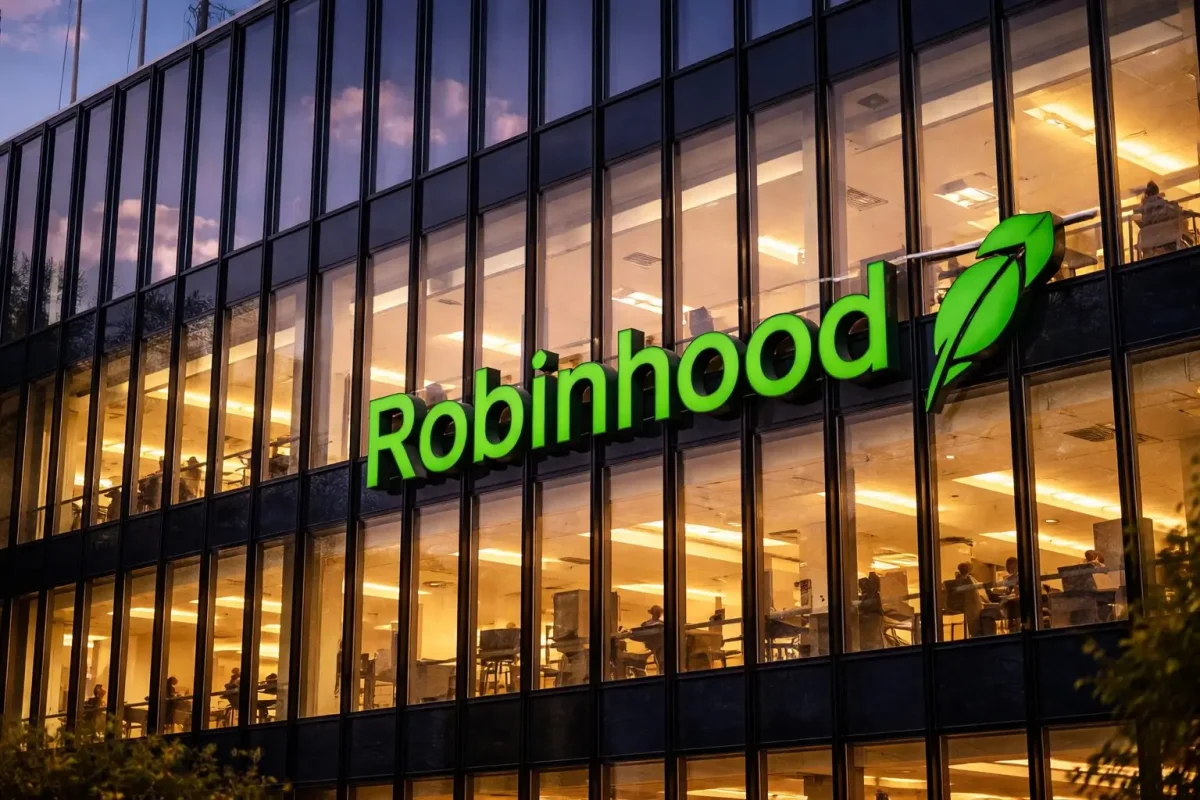
Robinhood Markets has launched its inaugural private-markets investment vehicle, the Robinhood Ventures Fund I, but at a far smaller scale than initially anticipated. The company priced the initial public offering at 12,615,608 shares at $25 per share, a substantial reduction from the 40 million-share plan it outlined when the roadshow commenced in mid-February.
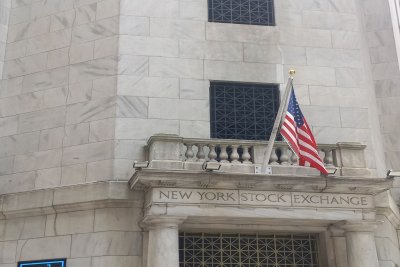
The final pricing, confirmed on Friday, March 6, 2026, gives the closed-end fund a total size of approximately $658.4 million. This figure could rise to a maximum of $705.7 million if the underwriters fully exercise their overallotment option. Shares of the fund are scheduled to begin trading on the New York Stock Exchange under the ticker symbol RVI.
This scaled-back debut coincides with a strategic pivot for Robinhood, which is actively working to diversify its business beyond its core offerings of stock and cryptocurrency trading. The company recently reported record quarterly revenue for the final period of 2025, reaching $1.28 billion. However, that result fell short of Wall Street expectations, partly due to a slowdown in crypto trading revenue, which came in at $221 million against analyst estimates of $248 million.
In response, Robinhood is aggressively expanding its financial services suite. Just two days before the RVI pricing, the company unveiled a new premium card with a $695 annual fee, alongside trust and custodial accounts, tax-aware transfer tools, and early dividend payment features. These launches signal a deliberate move to capture customers as they progress from making their first trades into more complex areas of family finance, credit, and long-term investing.
"We want to go after the legacy players' customers," stated Deepak Rao, Robinhood's Vice President and General Manager of Robinhood Money. This ambition places the fintech firm in direct competition with established giants like American Express and JPMorgan Chase in the premium card space and pulls it deeper into the broader wealth management industry. Analysts, such as Craig Siegenthaler at BofA Securities, have noted that these initiatives represent a clear shift upmarket to attract wealthier, digitally-native clients.
The push is backed by a substantial user base. Robinhood reported having 27.2 million funded customers and $324 billion in total platform assets as of the end of January 2026. Company executives have highlighted that their customer base is "maturing," with Reuters reporting the median user age is now in the mid-30s.
However, the new Robinhood Ventures Fund I carries distinct risks for investors. The company has explicitly stated the investment is speculative. Regulatory filings detail that the fund may hold illiquid private assets and could struggle to develop a liquid secondary market for its shares. Furthermore, the filing warns that closed-end funds like RVI often trade at a discount to their net asset value (NAV). A persistent discount could undermine Robinhood's goal of making private markets accessible to retail investors at scale.
Goldman Sachs acted as the sole bookrunner for the offering. Notably, the final IPO structure saw all shares sold by the fund itself, whereas the initial plan included 5 million shares to be sold by Robinhood Markets.