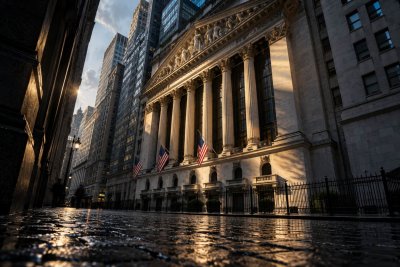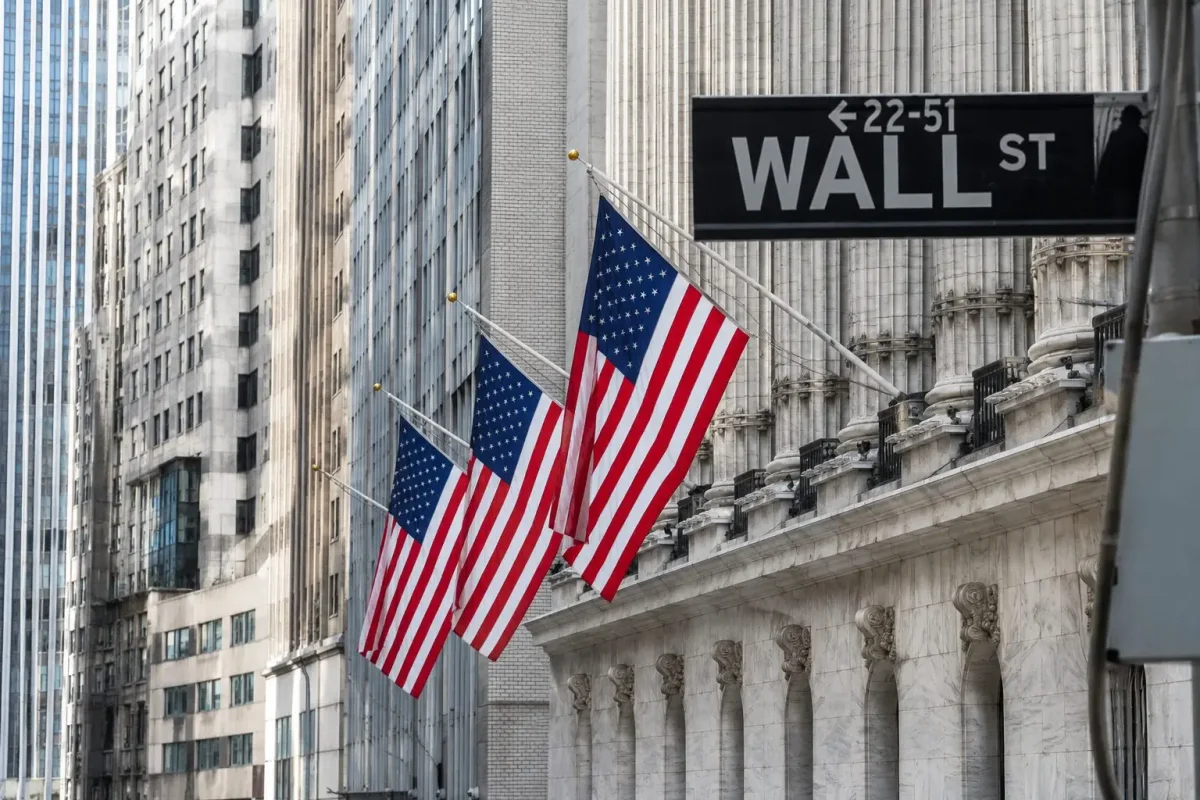
Wall Street ended higher on Thursday, with the Dow Jones Industrial Average reaching a new all-time high, as a drop in oil prices and optimism surrounding a potential resolution to the Iran conflict drew investors into healthcare and financial stocks. The Dow surged 809.88 points, or 1.60%, to close at 51,496.83, while the S&P 500 gained 39.74 points, or 0.53%, to 7,593.42. The Nasdaq Composite managed a modest advance of 60.69 points, or 0.23%, ending at 26,915.12.
The rebound came after a midweek pullback, when all three major indexes declined amid rising Middle East tensions and higher crude prices that reignited inflation concerns. On Wednesday, the Dow fell 1.21%, the S&P 500 dropped 0.74%, and the Nasdaq lost 0.89%. Thursday's rally tested whether investors remained willing to take on risk following a sharp run-up in equities.
Healthcare and financial stocks led the charge, with UnitedHealth Group and Goldman Sachs each advancing roughly 5% in late trading. These gains helped offset weakness in the artificial intelligence sector, where companies tied to chips and software for data-heavy models faced headwinds. Oliver Pursche, senior vice president at Wealthspire Advisors, described the chip sector's move as "rational exuberance," noting that while Broadcom fell, other names like Nvidia and Taiwan Semiconductor rose.
The decline in oil prices provided much-needed relief for the broader market. Brent crude fell approximately 3% to around $95 per barrel, while the yield on the 10-year U.S. Treasury note slipped to 4.461%, easing pressure on stocks that had been weighed down by the prospect of higher fuel and borrowing costs. James St. Aubin, chief investment officer at Ocean Park Asset Management, observed that the tech sector's performance reflected "fragile sentiment" after a significant rally.
Broadcom was the main sore point. Shares of the custom chipmaker slumped after its quarterly results failed to meet the market's elevated expectations, even though the company remains a primary beneficiary of the AI infrastructure buildout. Chief Executive Hock Tan reported that AI semiconductor revenue more than doubled to $10.8 billion in the quarter and noted that demand is "only getting bigger." However, investors marked down the stock after its massive advance this year. Matt Britzman, senior equity analyst at Hargreaves Lansdown, called it "a classic case" of high expectations meeting a market that "wanted perfection."
On the economic front, initial jobless claims rose by 13,000 to 225,000 in the week ended May 30, the highest level since early February. The four-week moving average increased to 214,750. Oliver Allen, senior U.S. economist at Pantheon Macroeconomics, described the labor market as a "low fire, low hire" environment, where companies are neither cutting workers aggressively nor hiring with enthusiasm. This keeps Friday's May payrolls report in focus, with economists expecting nonfarm payrolls to rise by 85,000, down from 115,000 in April, and the unemployment rate holding at 4.3%.
The Federal Reserve remains a key factor. The International Monetary Fund advised the U.S. central bank to "proceed with caution," warning that energy shocks and tariff costs could keep inflation above target for longer. The IMF now expects inflation to return to the Fed's 2% goal only by the end of 2027. Dallas Fed President Lorie Logan expressed increasing concern that "higher interest rates could be necessary" later this year, while San Francisco Fed President Mary Daly downplayed the notion that AI is already cooling inflation, calling its effect "not a pressing issue" for monetary policy over the next 12 months.
Investors now face a simpler near-term map: oil, jobs, earnings, and interest rates—in that order—ahead of the Fed's June 16-17 meeting. The risk is that Thursday's relief rally depends on oil staying low and the AI trade not cracking further. A flare-up in crude prices or a weak jobs report could quickly turn a Dow-led advance into a narrower, more defensive market.