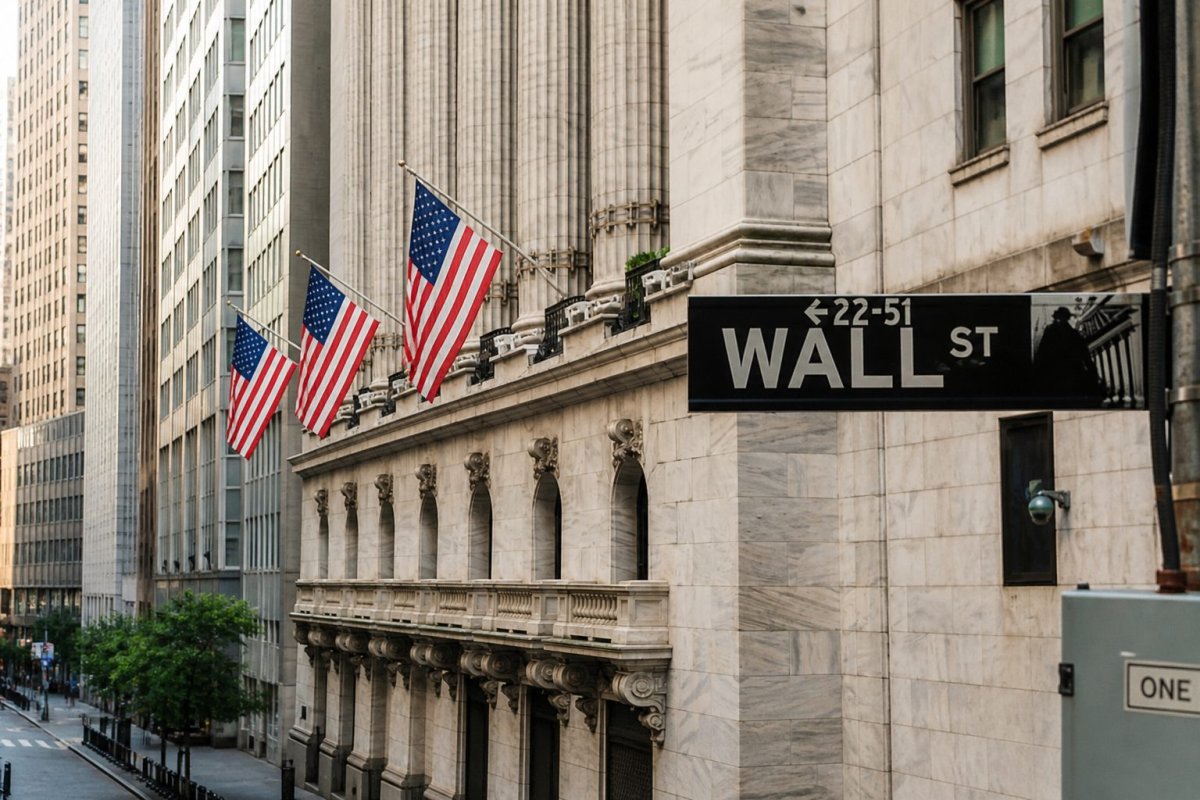
The S&P 500 and Nasdaq Composite closed at fresh all-time highs on Friday, extending Wall Street's April recovery. The broad market index gained 0.48% to 7,243.34, while the tech-heavy Nasdaq surged 0.96% to 25,131.26. The Dow Jones Industrial Average, however, slipped 0.11% to 49,599.01, according to Reuters market data.
Investors are betting that robust corporate earnings will sustain the rally despite headwinds from rising oil prices, looming tariffs, and a less accommodative interest rate environment. Analysts project first-quarter S&P 500 earnings to jump 27.8% year-over-year, the fastest growth since Q4 2021, per LSEG IBES data.
Apple and Software Stocks Lead the Charge
Apple (AAPL) shares climbed after reporting its strongest quarterly sales growth in over four years, driven by the iPhone 17 Pro series and the budget-friendly MacBook Neo. The company also forecast continued sales growth for the current period. Nabila Popal, senior research director at IDC, highlighted Apple's strategic dilemma: whether to raise prices to maintain profitability or cut prices to gain market share.
Software stocks also rallied, with Atlassian raising its annual revenue forecast after cloud and enterprise numbers outperformed. CFO James Chuong noted that cloud revenue growth accelerated to 29% year-over-year. This sparked gains across the sector, with Salesforce (CRM), ServiceNow (NOW), and Datadog (DDOG) all catching bids as investors rotated back into software after recent selloffs.
Mixed Results in Growth and Energy Sectors
Reddit (RDDT) surged on an optimistic revenue outlook tied to AI-powered advertising tools. Conversely, Roblox (RBLX) slid after cutting its forecast for annual bookings, a metric that tracks anticipated spending on its platform before revenue recognition.
Energy stocks delivered mixed performances. Exxon Mobil (XOM) and Chevron (CVX) both topped analyst profit estimates, but their results reflected pressure from Middle East tensions and volatile oil prices. Exxon CEO Darren Woods warned analysts that the full impact of oil and gas supply disruptions has not yet been felt in the market.
Economic and Policy Headwinds
The rally's sustainability hinges on earnings even as inflation continues to creep higher. U.S. manufacturing activity was flat in April, with supplier deliveries slowing due to issues in the Strait of Hormuz, pushing input and raw material costs to four-year highs. Carl Weinberg, chief economist at High Frequency Economics, noted that rising fuel prices have increased the cost of everything entering the production chain.
Tariffs added another layer of uncertainty. President Donald Trump announced plans to raise tariffs on EU cars and trucks to 25%, accusing the bloc of failing to honor a trade agreement—a move that could raise costs for manufacturers and consumers alike.
The Federal Reserve remains a wildcard. Some policymakers point to the oil shock as a reason to delay any rate cuts. Cleveland Fed President Beth Hammack flagged that inflation remains broad and that higher oil prices only add to the pressure. Higher interest rates increase borrowing costs for companies and individuals, lifting bond yields and often weighing on equities.
For now, investors continue to reward companies delivering profit growth. The key test will come with upcoming earnings reports, labor market data, and any shifts in oil prices. These factors will determine whether Friday's record highs lead to a broader May rally or fade amid renewed volatility.