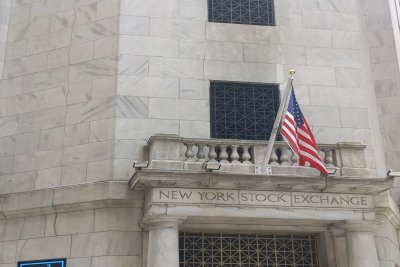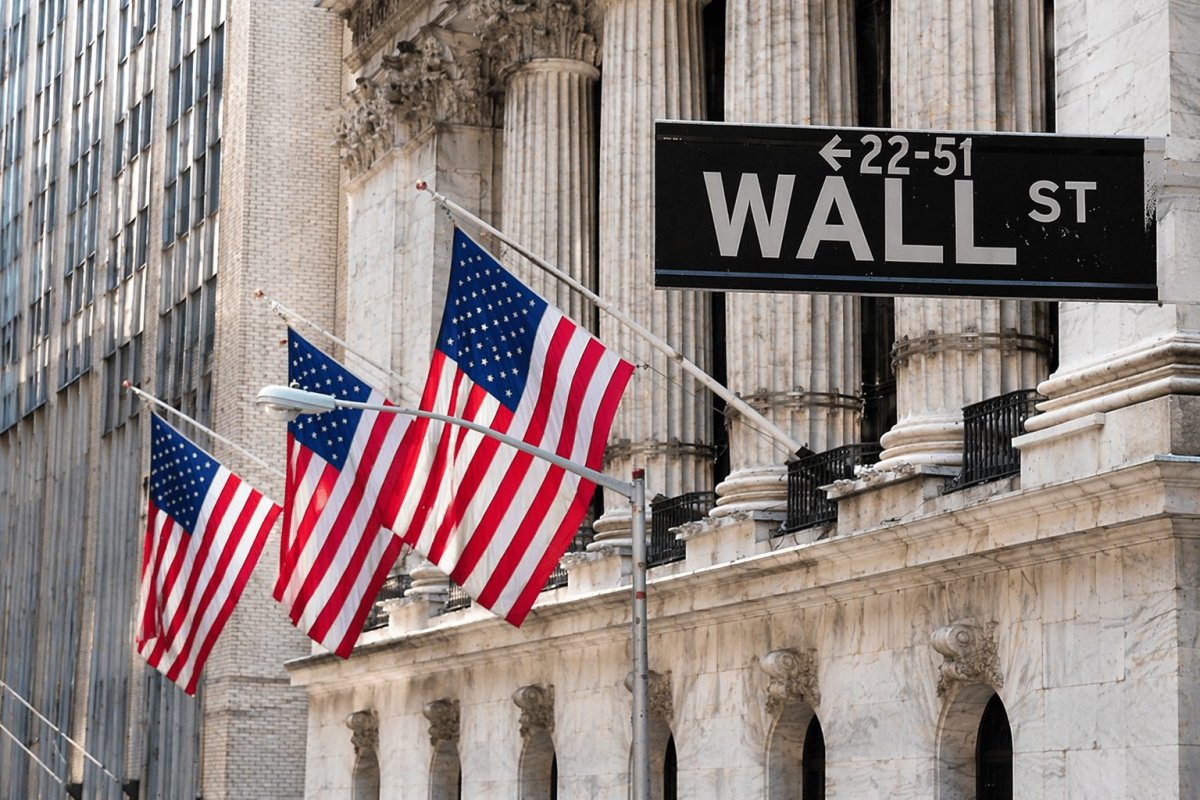
The S&P 500 and Nasdaq Composite ascended to new intraday peaks during Thursday's trading session, extending a market rally built on a foundation of solid corporate earnings and speculative optimism surrounding geopolitical developments. As of late morning Eastern Time, the S&P 500 was up 0.27% to 7,041.34, while the Nasdaq advanced 0.38% to 24,106.40. The Dow Jones Industrial Average posted a more modest gain, adding 0.06% to reach 48,494.13.
Earnings Provide the Fuel
The market's upward momentum continues to be primarily driven by a stronger-than-anticipated earnings season. Financial reports indicate that over 80% of companies that have disclosed results so far have surpassed analyst forecasts. Major financial institutions like Bank of America and Morgan Stanley delivered robust quarterly performances, contributing significantly to the benchmark indices reclaiming and surpassing previous highs. This earnings strength has helped equities recover from a steep decline in March, which at one point saw the S&P 500 down nearly 9% from its January peak. The index closed Wednesday at a record 7,022.95, effectively erasing losses incurred during a period of heightened geopolitical anxiety.
Gabriel Shahin, CEO of Falcon Wealth Planning, observed that many investors viewed the March pullback as a buying opportunity. Jeff Schulze of ClearBridge Investments noted that financial markets often advance ahead of full clarity, suggesting the current "path of least resistance" remains upward. However, some analysts expressed caution about the rally's foundation. Melissa Brown, Managing Director of Investment Decision Research at SimCorp, characterized the recent uptick as "more sentiment-based than fundamentally driven," a viewpoint that gained traction during volatile after-hours trading.
Sector and Stock Performance
Individual stock movements were mixed. PepsiCo shares rose after the company reported better-than-expected quarterly earnings and reaffirmed its full-year outlook, citing effective snack pricing strategies and stabilizing soda sales. Conversely, Abbott Laboratories stock declined following a reduced profit forecast for 2026. Financial services firm Charles Schwab reported record quarterly profits and announced plans to introduce spot cryptocurrency trading, yet its share price finished the session lower.
The technology sector remained a central driver of market action. Upgraded guidance from industry giants Taiwan Semiconductor Manufacturing Company and ASML underscored the persistent and powerful demand for artificial intelligence-related semiconductors, benefiting key designers and suppliers like Nvidia, Advanced Micro Devices, and Broadcom. TSMC's Chief Executive C.C. Wei described AI demand as "extremely robust," reinforcing the sector's bullish narrative.
Commodities and Economic Crosscurrents
In a contrasting move, oil prices moved sharply higher, diverging from the equity rally. Brent crude futures climbed 3.7% to $98.41 per barrel, while U.S. West Texas Intermediate crude gained 2.4% to $93.51. The surge reflected trader skepticism that diplomatic talks would swiftly resolve supply chain concerns, particularly regarding the vital Strait of Hormuz, a transit route for approximately one-fifth of global oil and liquefied natural gas.
Economic data released Thursday presented a nuanced picture. Initial jobless claims fell to 207,000, indicating continued resilience in the labor market. However, U.S. manufacturing output unexpectedly contracted by 0.1% in March. The Federal Reserve's latest Beige Book report highlighted the ongoing conflict's impacts on business hiring, pricing strategies, and capital expenditure plans. Carl Weinberg of High Frequency Economics warned that escalating energy costs could eventually pressure companies to reduce their workforce sizes.
Monetary Policy and Market Outlook
The Federal Reserve's policy path remains a critical consideration for investors. New York Fed President John Williams acknowledged that geopolitical strife is exerting upward pressure on inflation, suggesting it is premature for the central bank to provide clear forward guidance on interest rates. He projected inflation would remain notably above 3% in the coming months, with policymakers maintaining a cautious, data-dependent stance.
Market participants are now closely monitoring whether nascent diplomatic efforts will solidify and if corporate earnings momentum can propel stocks further from current elevated levels. A key development was the announcement of a planned 10-day ceasefire between Israel and Lebanon, set to begin later Thursday. The immediate focus shifts to after-hours earnings from streaming giant Netflix, which will serve as a significant test for the technology-led rebound narrative. The interplay between corporate fundamentals, central bank policy, and unresolved geopolitical tensions will likely dictate near-term market direction.