Oil prices retreated and stock markets stabilized on Monday following reports that Washington might grant Iran a temporary sanctions waiver, providing a thin basis for optimism that the Strait of Hormuz could reopen. The development reversed an earlier risk-off mood driven by drone attacks in the Gulf and a sharp surge in crude prices.
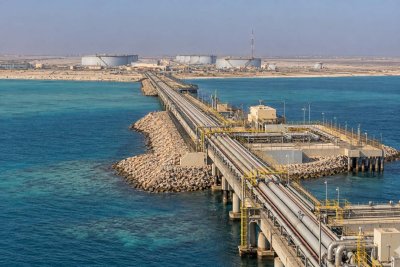
The strait, a critical waterway that normally handles about 20% of global oil and gas trade, remains largely closed. George Lagarias, chief economist at Forvis Mazars, told Reuters that markets were "panicking" over the possibility it stays shut, with Brent crude earlier near $110.55 a barrel and U.S. crude around $102.48.
Supply buffers are thinning rapidly. International Energy Agency chief Fatih Birol warned that commercial oil inventories had only "several weeks" left, while strategic reserve releases adding 2.5 million barrels per day were "not endless." The IEA reported that global observed inventories fell by 246 million barrels in March and April combined.
Bond yields, which rise when prices fall, remained a pressure point. The U.S. 10-year Treasury yield touched 4.631%, its highest since February 2025, while the 30-year yield rose to 5.159%. Markets now price a more than 50% chance of a Federal Reserve rate increase by December, according to Reuters.
Finance officials are trying to prevent the selloff from feeding on itself. G7 finance ministers meeting in Paris placed inflation, debt, and bond-market volatility on the agenda. French Finance Minister Roland Lescure said, "We are no longer in a period where public debt is not a subject."
By the New York morning, S&P 500 futures were up 0.2%, Brent crude traded below $108, and the 10-year Treasury yield hovered near 4.57%. The S&P 500 and Nasdaq opened higher as semiconductor stocks recovered and last week's bond rout cooled.
The geopolitical backdrop remained tense. UAE officials reported a drone strike caused a fire at the Barakah nuclear power plant, though radiological safety levels were unaffected and there were no injuries. Saudi Arabia said it intercepted three drones. President Donald Trump stated that Iran must move "fast" after talks to end the U.S.-Israeli war with Iran appeared stalled.
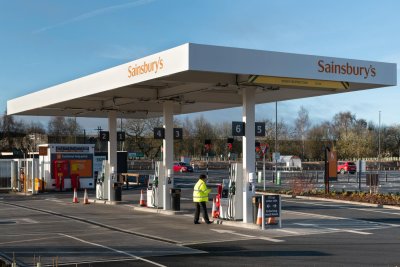
The oil shock is already visible at the pump. AAA listed the U.S. national average gasoline price at $4.515 a gallon on Monday, up from $4.058 a month earlier and $3.179 a year earlier. Diesel averaged $5.631. Companies are also absorbing the hit. A Reuters analysis found the Iran war has cost global companies at least $25 billion, with 279 firms citing the conflict as a trigger for price increases, production cuts, furloughs, dividend suspensions, or other defensive moves. Whirlpool CEO Marc Bitzer said consumers were "holding back" on replacements and repairing products instead.
This week's earnings reports will be closely watched. Nvidia reports Wednesday and Walmart Thursday, testing the two trades that have held up U.S. equities: artificial intelligence spending and consumer resilience. Nvidia's report follows strong moves by peers including AMD and Intel, whose outlooks helped fuel a broader chip rally.
However, relief from a sanctions-waiver headline could fade quickly. Emma Moriarty, portfolio manager at CG Asset Management, said the longer Hormuz stays shut, the more likely higher rates and energy prices begin to bite corporate profits. RBC Capital Markets strategist George Moran noted that disruption from the Iran war is looking less temporary.