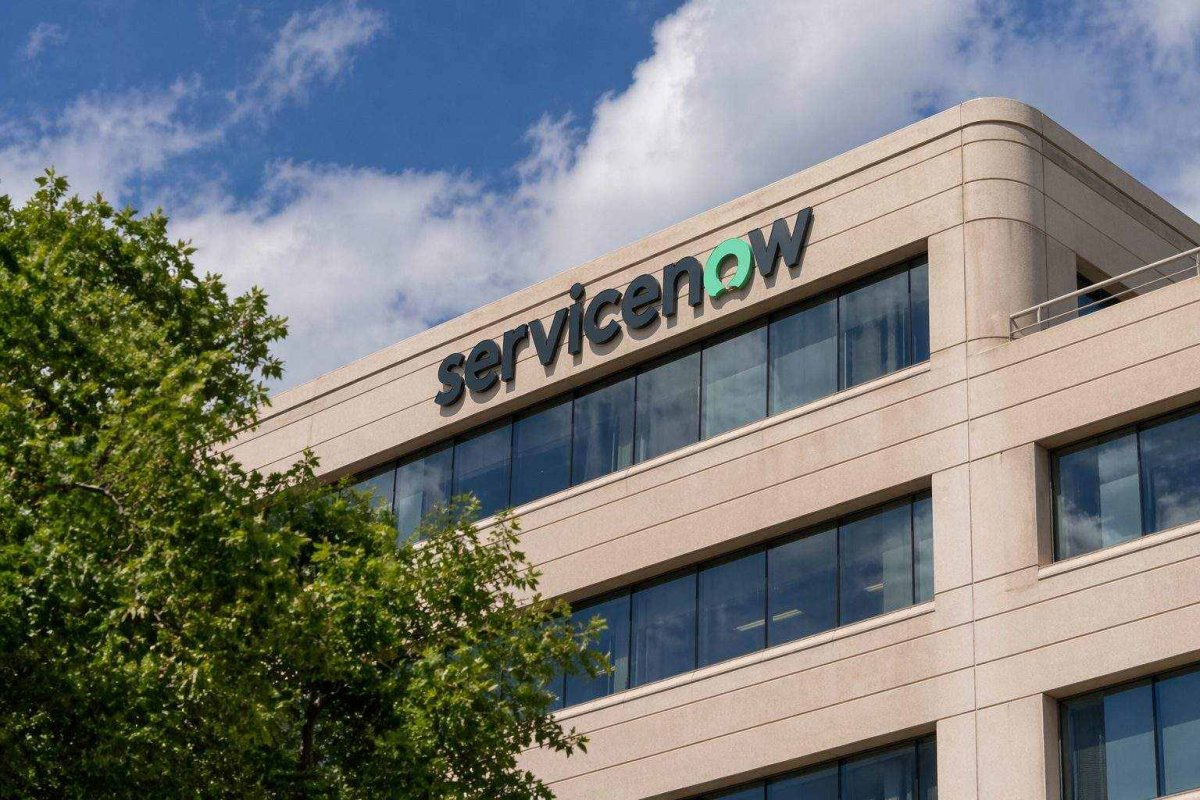
Shares of enterprise software provider ServiceNow experienced a sharp decline in after-hours trading on Wednesday, dropping approximately 14%. The sell-off followed the company's disclosure that ongoing conflict in the Middle East caused the postponement of several significant customer deals, casting a shadow over an otherwise robust quarterly performance.
Financial Performance and Revised Guidance
For the first quarter, ServiceNow reported subscription revenue of $3.671 billion, representing a 22% increase year-over-year. Total revenue grew at a similar pace, reaching $3.770 billion. A key metric for future revenue, current remaining performance obligations, which reflects contracted revenue due within the next twelve months, climbed 22.5% to $12.64 billion.
Despite the geopolitical headwinds, management expressed confidence in the company's trajectory by raising its full-year subscription revenue guidance. The company now anticipates 2026 subscription revenue to land between $15.735 billion and $15.775 billion, an upward revision from its prior forecast of $15.53 billion to $15.57 billion. For the upcoming second quarter, subscription revenue is projected to be in the range of $3.815 billion to $3.820 billion.
Geopolitical Impact and Market Context
The company specifically attributed a drag of about 75 basis points on its subscription revenue growth to delayed closings for major on-premises deals in the Middle East. This news arrived during a tense earnings period for the software sector, with investors keenly watching for evidence that artificial intelligence investments are translating into tangible financial growth rather than merely disrupting existing business models.
Prior to the earnings release, ServiceNow stock had already declined roughly 35% year-to-date. Analyst notes highlighted that short interest in the stock stood near 2.9%, indicating a notable level of bearish sentiment among some investors.
Leadership Commentary on AI and Competition
CEO Bill McDermott sought to redirect focus toward the company's artificial intelligence offerings, announcing an increased sales target for AI software. The company now aims to generate at least $1.5 billion in AI-related revenue by 2026, up from a previous goal of $1 billion. McDermott dismissed concerns that foundational AI models from firms like OpenAI and Anthropic could displace enterprise platforms, characterizing some competing products as "parlor tricks." He warned that corporate clients relying directly on such models could face unpredictable, usage-based costs.
Chief Operating Officer Amit Zavery echoed this confidence, noting to Reuters that over half of ServiceNow's new business now utilizes non-seat-based pricing, tying revenue more directly to platform usage rather than traditional user licenses. The company has established partnerships with both Anthropic and OpenAI even as it competes with rivals like Salesforce and a new wave of AI-native software firms.
Acquisition Effects and Investor Sentiment
The report also detailed financial implications from ServiceNow's recent acquisition of cybersecurity firm Armis, which closed on April 20 for $7.75 billion in cash. The company indicated the deal is expected to reduce fiscal 2026 free cash flow margin by approximately 200 basis points and trim second-quarter operating margin by about 125 basis points.
Market reaction suggests investors remain cautious. Portfolio manager Joe Maginot told Reuters that software companies face an "existential question" regarding AI's long-term impact, a narrative unlikely to be resolved by a single quarter's results. While ServiceNow demonstrates growth, an elevated AI target, and expanded security capabilities, the stock's negative after-hours move underscores a demand for clearer evidence: minimized geopolitical disruption to deals, less margin pressure from acquisitions, and definitive signs that AI is driving incremental customer spending rather than prompting a reassessment of existing software budgets.