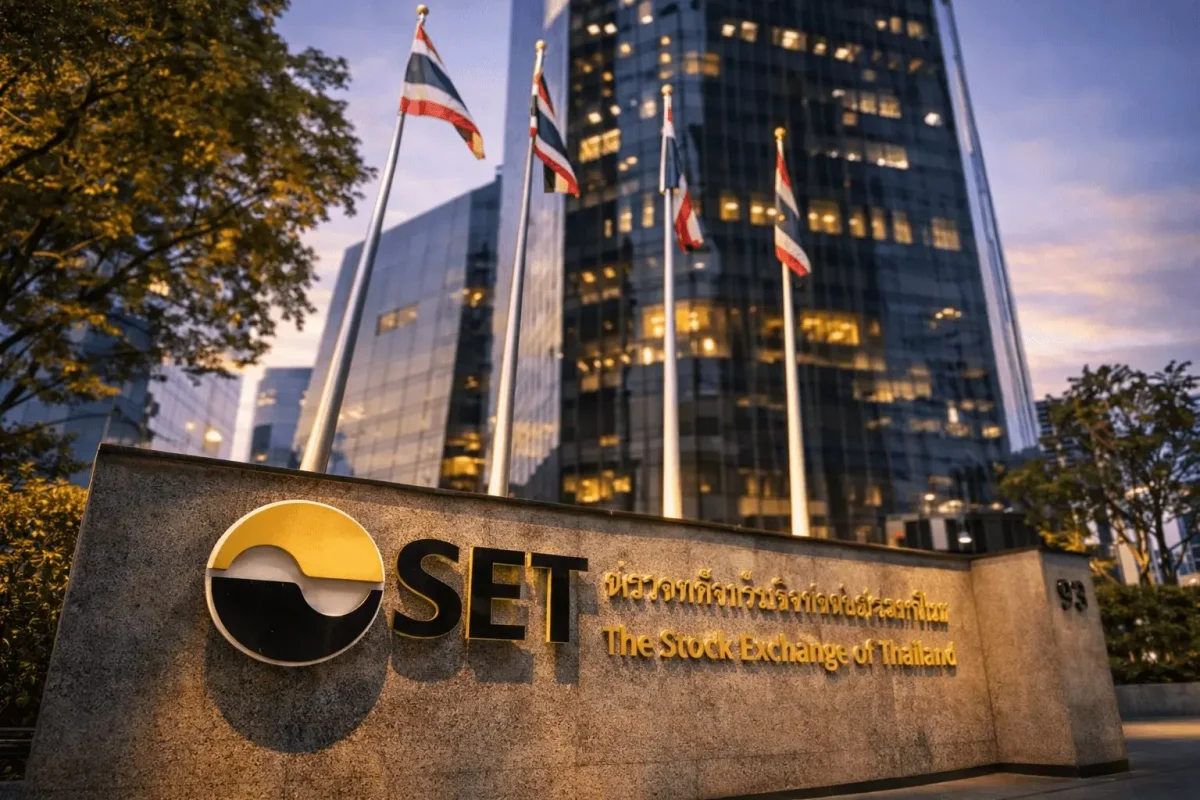
The Stock Exchange of Thailand (SET) Index concluded Friday's session at 1,528.26 points, marking a decline of 5.38 points or 0.35%. Trading turnover reached 104.31 billion baht, with the benchmark oscillating between a low of 1,520.90 and a high of 1,545.31 during the day. The index remains in proximity to its 52-week peak, reflecting a market grappling with divergent sectoral movements and external shocks.
Geopolitical Tensions Fuel Oil Market Anxiety
Market focus has sharply pivoted toward energy and transportation sectors following military strikes by U.S. and Israeli forces on Iranian targets. The action has disrupted critical shipping lanes through the Strait of Hormuz, a vital conduit for approximately one-fifth of global oil shipments. Major energy firms and traders have reportedly suspended certain voyages, injecting significant uncertainty into supply chains. Analysts at Barclays suggest Brent crude prices could surge toward $100 per barrel if markets begin pricing in a sustained supply disruption. Christopher Wong of OCBC highlighted that the strikes have elevated geopolitical risk premiums, which will be a key factor as trading resumes.
In a potential countermove, the OPEC+ alliance is considering an output increase at its upcoming meeting, possibly exceeding a previously anticipated 411,000 barrels per day, according to Reuters sources. This deliberation follows preemptive export boosts from Saudi Arabia and the United Arab Emirates ahead of potential regional disruptions.
Corporate Actions and Index Performance
Individual stock movements were influenced by corporate actions and sectoral shifts. Advanced Info Service (ADVANC) declined 5.94% as the stock traded ex-dividend. In contrast, banking shares provided some support; Kasikornbank (KBANK) advanced 1.26% and Bangkok Bank (BBL) gained 0.57%. The state-owned energy giant PTT saw a slight decrease of 0.67%.
Market analysts provided nuanced readings of the session. Weerawat Wirojphoka, a senior director at FSS International Investment Advisory Securities (FSSIA), noted that early index support came from dividend-seeking activity, which later dissipated as ADVANC went ex-dividend. Natapon Khamthakrue, assistant managing director for securities analysis at Yuanta Securities (Thailand), pointed to capital inflows and highlighted late-session volatility driven by the MSCI Global Standard Index revision. This reshuffle prompted index-tracking funds to adjust their portfolios at the close, amplifying price swings.
Travel Sector Feels the Squeeze
The ripple effects of Middle East tensions extended to the travel industry. Airlines continued to cancel flights across the region over the weekend, with major hubs like Dubai, Abu Dhabi, and Doha either closing or scaling back operations. This development raises concerns over extended flight routes, increased ticket prices, and a potential downturn in travel demand if the situation persists, directly impacting tourism-sensitive stocks listed on the SET.
Macroeconomic and Currency Context
The Thai baht exhibited minimal movement, with the Bank of Thailand setting its reference rate at 31.0580 baht per U.S. dollar on Friday, nearly unchanged from Thursday's 31.0680. Investor attention is now shifting toward the upcoming U.S. non-farm payrolls report for February, scheduled for release on March 6. This data point is critical for global currency and interest rate expectations, and its outcome will influence risk appetite across emerging markets, including Thailand.
Market Structure and Forward Outlook
Trading this week will be condensed into four sessions due to a market holiday on Tuesday, March 3. This shortened timeframe may concentrate volatility, especially given the potent mix of geopolitical headlines and key economic data. The market's proximity to its yearly highs makes it susceptible to profit-taking on any negative catalyst.
The fundamental risk for Thai equities lies in whether an oil price surge transmits beyond the energy sector. While upstream producers and certain refiners may benefit from higher crude prices, sustained elevated levels would increase costs across transportation, segments of manufacturing, and ultimately consumer spending power, dampening broader corporate earnings.
The current environment presents a push-and-pull dynamic: dividend adjustments from major listings, banks attracting yield-seeking capital, and energy stocks tracking every oil price fluctuation. A rapid de-escalation in the Middle East could quickly reverse the energy trade, refocusing investors on domestic dividend plays and clearer growth prospects. Conversely, prolonged tension would keep risk premiums elevated and volatility high, testing the market's resilience near its peak levels.