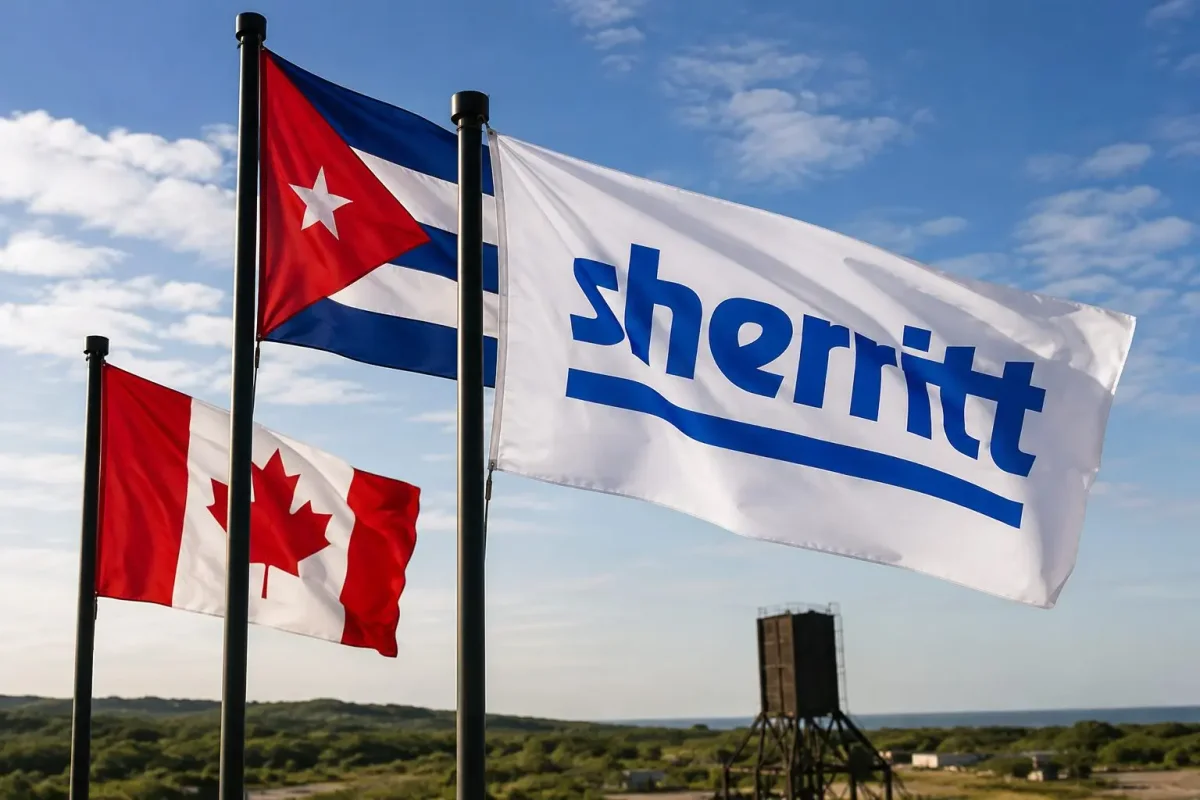
Toronto, July 18, 2026, 18:08 (EDT) – Cuba’s national power grid suffered three total collapses within nine days, with localized outages persisting even after the system was restored. This crisis has shifted investor attention for Sherritt International (TSE:S) from nickel shipments to emergency funding and recapitalization.
Sherritt closed trading on Friday at approximately C$0.14, placing its market capitalization at roughly C$95 million. The wider TSX Composite index edged down 0.1% over the week.
On July 17, a group of noteholders revealed competing proposals for emergency financing and recapitalization, challenging the company’s characterization of its discussions with creditors. Sherritt had earlier warned that its liquidity remains tight and that there is substantial doubt about its ability to continue as a going concern.
The power outages compound existing operational challenges. Sherritt had already halted direct operations in Cuba and paused production at its Alberta refinery. The latest blackout increases restart expenses and raises asset-recovery risks, though it does not represent a new stoppage at the Alberta facility—a distinction that is important for valuation.
Cuba’s Energy Minister Vicente de la O Levy attributed the failures to a “total absence of fuel,” while University of Texas energy researcher Jorge Piñon described key plants as “old, broken and tired.” The grid failure on Tuesday cut electricity to approximately 10 million residents; restoration Wednesday morning was followed by intensified local blackouts.
Sherritt holds a 50% stake in the Moa nickel-cobalt venture and a one-third share in Energas, making it the largest independent energy producer in Cuba. Its Alberta refinery is the only major cobalt refinery in North America.
The company’s balance sheet highlights the increasing importance of financing terms. As of March 31, secured-note principal plus facility used stood at C$328 million, or 3.5 times the July 17 equity value. The GNC receivable, fair value at C$237.9 million, was equivalent to 2.5 times that amount. Canadian cash balance was C$10.9 million, while Cuban bank cash balance was C$109.2 million. However, Cuban bank deposits cannot be freely converted due to limited foreign-currency reserves. Consequently, slight adjustments to recovery assumptions could cause significant shifts in shareholder value.
Sherritt reports it requires substantial new funding for restarts and working capital needs. A previous term sheet from Gillon Capital outlined 55% ownership assuming full warrant exercise, with a discount relative to the May 15 closing price. The offer remains non-binding and subject to government and regulatory clearances. Noteholders holding Sherritt’s 9.25% 2031 notes stated there has been no substantial engagement and revealed a separate recapitalization plan and emergency financing term sheet, warning that delays risk increasing restart costs and total funding requirements.
The core issue for investors is the dispute. Sherritt’s earlier operating halts occurred before the current blackout. Equity value now depends on dilution, creditor approval, and the chances of recovering claims in Cuba. Nickel prices are secondary until a funded restart is seen as credible.
The TSX opens at 9:30 a.m. EDT on Monday. Sherritt is not expected to release results next week; its second-quarter report is due after the close on August 12. Investors are monitoring for any unplanned updates on financing, creditors, and grid restoration. Risks include consistent fuel supplies and secured financing to maintain restart value, while any repayment request, further sanctions, or impairment on receivables could increase value for creditors.