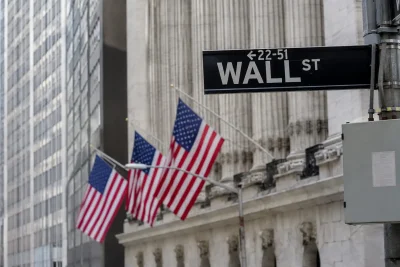
Shopify Inc. (SHOP) shares on the Toronto Stock Exchange slipped 1.1% to C$152.06 in afternoon trading Friday, while its Nasdaq-listed stock remained dark due to the Juneteenth holiday. The split trading day came after a volatile week for the e-commerce software company, with U.S. shares closing Thursday at $108.85, essentially flat for the shortened holiday week.
Market Context
The S&P/TSX Composite Index was largely unchanged in late morning trading, as gains in energy stocks offset declines in gold miners. Market participants remained cautious, monitoring developments in the Middle East and crude oil price movements. The TSX was down 0.08% to 34,942.15 by late afternoon, according to Google Finance.
AI-Driven Commerce and Capital Allocation
Shopify is navigating two narratives this week. On one hand, the company is aggressively pushing its vision of agentic commerce, where AI agents facilitate shopping decisions. On the other hand, investors are debating whether this strategy will inflate costs or disrupt Shopify's existing software model — or both.
The company released its Spring '26 Edition on June 17, featuring over 150 updates, including Shopify Catalog and the Universal Commerce Protocol (UCP). These tools aim to make products discoverable across AI-powered channels. Shopify describes UCP as its proposed standard for AI agents to interact with merchants during the shopping process.
Additionally, Shopify has tightened rules for Sidekick app extensions, requiring them to adhere strictly to their advertised purpose and prohibiting promotions, ads, or cross-selling of other services through the AI assistant.
On the capital side, Shopify announced on June 2 that its board had expanded its share buyback program by $3 billion, bringing the total authorization to $5 billion. As of June 1, the company had already repurchased approximately $1.45 billion of its shares. CFO Jeff Hoffmeister stated that the move reflects the company's confidence in the durability of its business model.
Growth Concerns Loom
The bigger question for investors remains growth. Shopify reported first-quarter revenue of $3.17 billion, a 34% increase year-over-year, and gross merchandise volume (GMV) of $100.74 billion. For the current quarter, management guided for revenue growth in the high twenties percentage range and a free cash flow margin in the mid-teens.
President Harley Finkelstein told investors in May that Shopify had entered the AI era with a clear edge. CFO Jeff Hoffmeister noted that the first quarter saw growth across regions, merchant sizes, and channels. However, the market remains skeptical. While a buyback can boost earnings per share and signal management confidence, it does not guarantee that AI-driven shopping will drive merchant demand ahead of rising investments.
Competitive Landscape
Competition is intensifying. Shopify is positioning itself as the backbone for merchants selling through websites, physical stores, marketplaces, and AI agents. However, Amazon, Etsy, and BigCommerce remain dominant players for sellers deciding where to allocate their resources. Investors will be watching to see if Friday's Toronto decline was merely a function of thin holiday trading or a harbinger of further downside for software stocks.
The risks are clear: if more consumers gravitate toward larger platforms due to AI, if consumer spending weakens, or if Shopify's second-quarter forecast disappoints, the stock could continue to slide despite the buyback. Shopify has noted that growth, expenses, consumer spending, trade policies, and new technologies like AI all could cause actual results to differ from expectations.