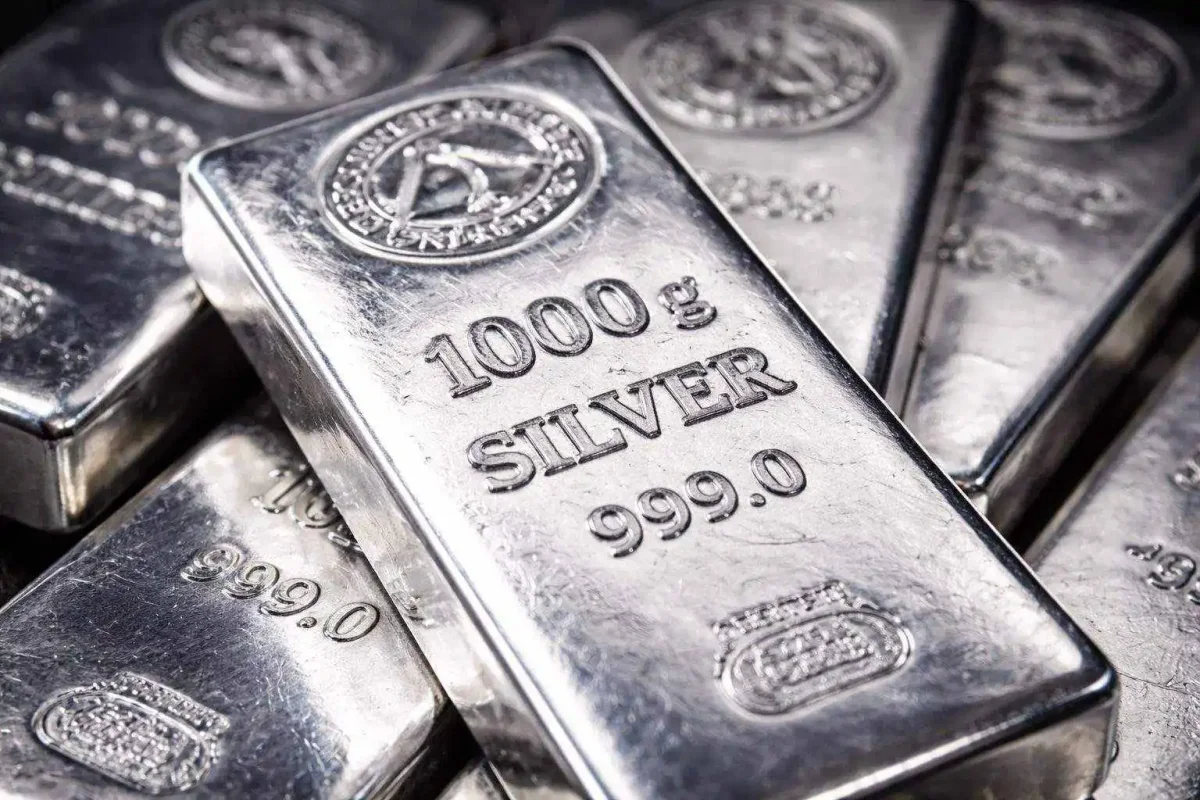
Spot silver prices experienced a dramatic decline on Monday, March 23, 2026, falling 8.9% to $61.76 per ounce by 0633 GMT. This sharp drop highlights a significant reversal for the metal, which has now lost approximately half its value since reaching a record peak of $121.64 on January 29. The selloff was part of a broader retreat from precious metals, driven by a potent combination of geopolitical tensions, a strengthening U.S. dollar, and a fundamental shift in market expectations for future interest rate policy from the Federal Reserve.
Macroeconomic Forces Drive Market Recalibration
Several powerful macroeconomic factors converged to pressure metal prices. Brent crude oil held firm above $110 a barrel, trading at $112.89, as geopolitical risks escalated following warnings from Iran regarding potential targeting of Gulf energy infrastructure and the strategic Strait of Hormuz. Concurrently, the U.S. 10-year Treasury yield climbed to an eight-month high of 4.415%. Most critically, rate futures—financial instruments used by traders to speculate on Federal Reserve policy—swung decisively. Markets began pricing in the potential for an interest rate hike by the end of 2026, a stark pivot from the rate cuts that had been widely anticipated just months earlier.
"Market expectations have decisively pivoted from anticipating rate cuts to now factoring in potential rate hikes," noted Tim Waterer, chief market analyst at KCM Trade. This shift undermined the appeal of non-yielding assets like gold and silver, as higher bond yields offer investors an alternative, income-generating safe haven. The resulting environment saw capital flow out of precious metals.
Broad-Based Precious Metals Selloff
The downturn was not isolated to silver. Gold, traditionally a haven asset, slid 5.8% to $4,226.16 per ounce, marking its ninth consecutive daily loss. The decline in gold occurred alongside falling equity markets, breaking from its typical inverse correlation. "The fact that gold is dropping in tandem with stocks suggests this is a broad move to raise cash from across various asset classes," explained Matt Simpson, a senior market analyst at StoneX. The selloff extended to the platinum group metals, with platinum down 9% and palladium shedding 5.2%.
Silver, however, bore the brunt of the selling pressure. Its market is typically thinner and more volatile than gold's, often leading to exaggerated price moves. The metal's plunge brought it near the $60 to $70 per ounce range that analysts had identified in early February as a zone with stronger fundamental support, following the unsustainable speculative surge seen in January.
Industrial Demand vs. Financial Flows
The price action underscores a current market dichotomy for silver. On one hand, the metal boasts robust industrial fundamentals. Its applications span jewelry, electronics, electric vehicles, and solar panel technology. Just last month, the Silver Institute projected a sixth consecutive annual structural deficit for the metal, meaning global demand is expected to outstrip mine and scrap supply. This deficit persists despite some softening in industrial usage, as retail investment demand has gained traction.
On the other hand, these persistent supply concerns were largely ignored by traders on Monday. Immediate focus was captured by the triple forces of crude oil prices, dollar strength, and Federal Reserve policy speculation. When oil shocks simultaneously push up bond yields and bolster the dollar, precious metals can be rapidly liquidated as participants seek to free up capital and move to cash.
Outlook and Key Levels
The slide may not be over. With prices now approaching the $60-$70 fundamental support band, this zone will be critically tested. Further spikes in oil prices or additional hawkish shifts in rate expectations could challenge this support level. For now, the market narrative for precious metals is being dictated by external macroeconomic drivers rather than their own underlying supply-demand stories. Investors and analysts will be closely watching for stability in the $60-$70 range for silver, as well as any signals from the Fed that could alter the current trajectory of rate expectations.