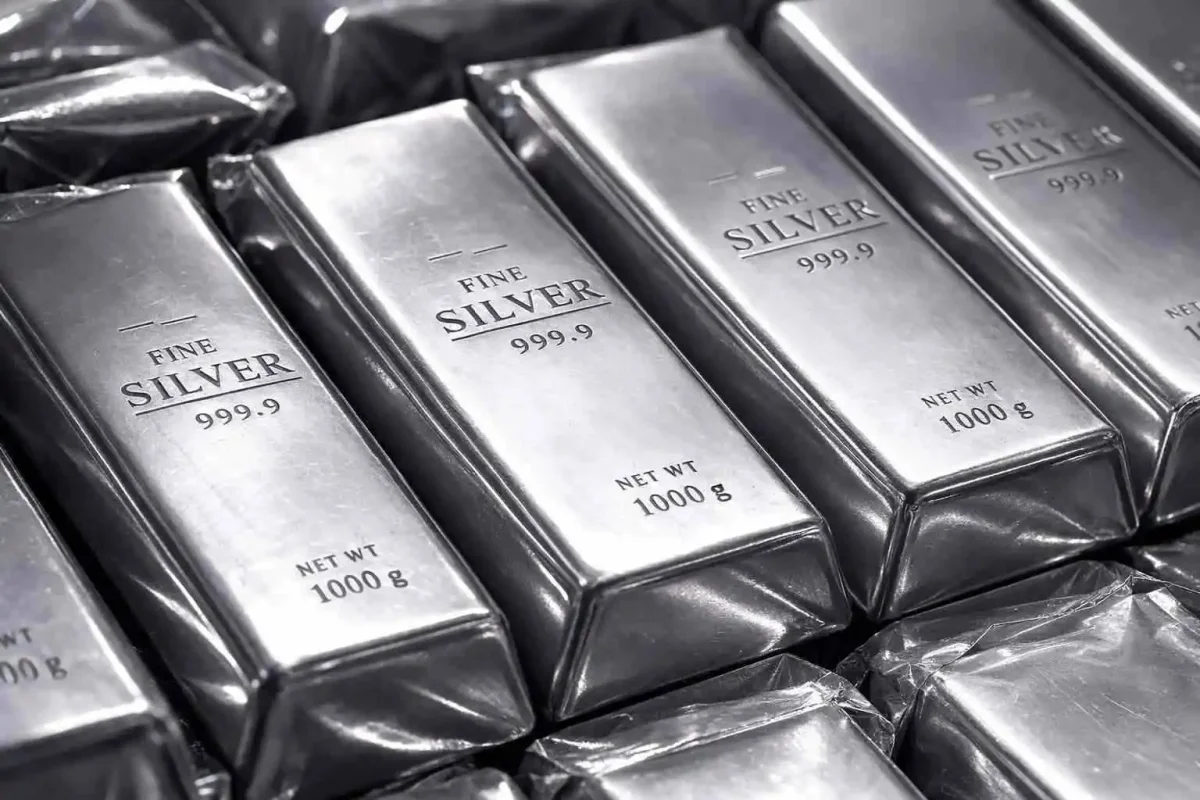
Spot silver prices climbed 0.6% to $86.27 per ounce by 1408 GMT on Thursday, March 12, 2026, staging a partial recovery from a steep 3.5% decline recorded the previous day. The rebound was primarily supported by conflict-driven safe-haven buying, which helped stabilize the market after Wednesday's sharp selloff. However, the metal's gains were constrained by a significant rally in the U.S. dollar, which has appreciated more than 1.5% this week against a basket of major currencies.
Diverging Forces in Precious Metals
Silver occupies a unique position in the commodities complex, balancing its role as a traditional store of value with extensive industrial applications. Investors often flock to silver during periods of market volatility, yet it remains a critical component in jewelry, electronics, electric vehicles, and solar panels. This dual identity typically results in more pronounced price swings compared to gold when economic anxieties, inflationary pressures, or growth concerns emerge.
The current market environment highlights this dichotomy. While geopolitical tensions in the Middle East have spurred some haven demand, precious metals are simultaneously contending with a stronger dollar index, rising Treasury yields, and a lack of imminent interest rate cuts. Phillip Streible, chief market strategist at Blue Line Futures, noted these persistent headwinds continue to pressure the sector despite the conflict-fueled support.
Broader Precious Metals Performance and Fed Outlook
In the wider precious metals space, performance was mixed on Thursday. Gold eased 0.3% to $5,159.04 an ounce. Platinum declined 0.4% to $2,159.50, while palladium managed a modest 0.3% gain to $1,642.44. Silver's performance was marginally better than both gold and platinum for the session.
Market attention is firmly fixed on the upcoming Federal Reserve meeting, with traders reassessing the timeline for potential monetary policy easing. Interest rate swaps have now shifted expectations for the first Fed rate cut to September, a delay from previous projections of July. This contrasts with a Reuters poll of economists, which still points to June as the more probable starting point for rate reductions. The outlook was further clouded by U.S. consumer price data for February, which showed a 0.3% gain, matching expectations but leaving the path for interest rates uncertain.
Analyst Perspectives and Market Dynamics
Peter Grant, senior metals strategist at Zaner Metals, described the current market sentiment as a "push-and-pull" dynamic. Prices are being tugged higher by war-fueled demand while simultaneously being weighed down by the prospect that interest rates could remain elevated for a longer duration.
Silver has struggled to reclaim the $89.39 level reached on Tuesday. Earlier in the week, Bart Melek, head of commodity strategy at TD Securities, had pointed to softer oil prices as a factor that could ease inflation fears and renew interest in precious metals. However, crude oil reversed course and rallied on Thursday after Iran's new supreme leader pledged to shut the Strait of Hormuz, putting the energy commodity back in the spotlight.
Structural Support and Recent Volatility
The fundamental backdrop for silver remains constructive. BMI forecasts an average price of $93 per ounce for 2026. Furthermore, the Silver Institute last month highlighted a projected sixth consecutive year of structural deficit, with demand continuing to outpace supply. Physical investment is expected to rebound, even as industrial and jewelry demand shows signs of moderating.
Nevertheless, silver's recent price action has been punishing for complacent traders. The metal experienced the sharpest decline among major precious names on Wednesday. This volatility echoes the wild swings seen in January, when prices soared to a record $121.60 on January 29 only to collapse by over 25% within 24 hours. The silver market's relative thinness compared to gold often results in these exaggerated moves, offering investors less of a safety net during periods of stress.
Market Outlook and Key Drivers
Looking ahead, the primary catalysts for silver will be next week's Federal Reserve policy decision and any escalation in Middle East energy supply risks. For now, the metal appears stuck in a holding pattern: geopolitical safe-haven buying provides a floor under prices, but the robust U.S. dollar and recalibrated interest rate expectations firmly cap the upside. This leaves silver navigating a narrow path between conflicting macroeconomic and geopolitical currents as traders await clearer directional signals from central banks and global events.