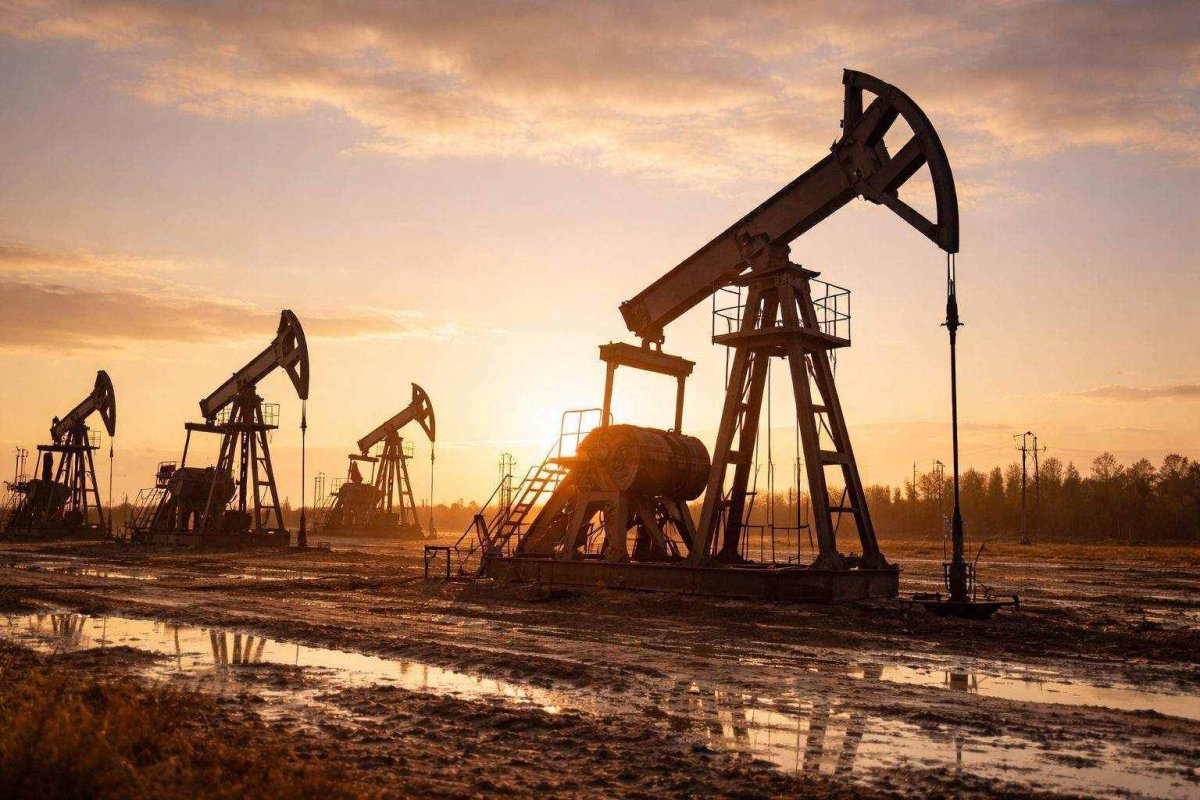
Crude oil prices have a direct and rapid impact on daily expenses, from gasoline at the pump to shipping, diesel, flights, food delivery, and heating. In the United States, crude oil has accounted for just over half of the average retail gasoline price over the past decade, according to data from the U.S. Energy Information Administration (EIA).
The International Energy Agency (IEA) reported in April 2026 that global oil supply plunged and inventories fell sharply following disruptions near the Strait of Hormuz. This event underscores how geopolitical tensions can quickly tighten the market. The EIA notes that oil prices depend on a complex interplay of supply, demand, inventories, financial markets, and geopolitical risks.
Key Drivers of Oil Prices
While traders often focus on supply and demand, the EIA identifies several primary drivers: spot prices, non-OPEC supply, OPEC output, inventories, financial market activity, and demand trends split between OECD and non-OECD economies. Non-OPEC countries, including the U.S., Brazil, Guyana, Canada, and the North Sea, produced 65% of global crude in 2024, making their output crucial for price determination.
Demand dynamics are also shifting. Oil consumption in non-OECD countries has doubled since 2000, driven by economic growth in emerging markets. Goldman Sachs analyst Daan Struyven expects oil demand to grow for another decade, citing rising energy appetite in developing nations and the difficulty of decarbonizing aviation and petrochemicals. In contrast, OECD demand peaked in 2005, with efficiency gains and policy shifts reducing consumption.
OPEC+ and Spare Capacity
OPEC and OPEC+ nations produce about 35% of global crude and control most of the world's spare production capacity. This spare capacity acts as a safety net; when it is ample, price surges tend to moderate. However, if the buffer appears thin, market nerves can drive prices higher. Rystad Energy's Jorge Leon noted in March 2026 that prices respond more to actual developments in the Gulf and shipping flows than to quota changes on paper.
Inventories and Market Visibility
Inventories serve as a shock absorber for the oil market. When production exceeds demand, barrels accumulate in tanks, refineries, and ships. The EIA views petroleum inventories as both a sign of market balance and a buffer against price swings. However, market visibility is becoming more challenging due to China's role, floating storage, sanctioned barrels, and swelling non-OECD stockpiles. Oilytics CEO Keshav Lohiya warned that relying too heavily on OECD data is insufficient, as more oil is now stored outside the OECD.
Geopolitical Risks and Chokepoints
Geopolitical events—wars, sanctions, attacks on infrastructure, and shipping risks—often rattle traders even without immediate supply losses. The IEA's release of 400 million barrels from emergency stocks in March 2026 highlighted the global scale of response needed for major disruptions. Key chokepoints like the Strait of Hormuz, Suez Canal, and Bab el-Mandeb can squeeze global flows, with any disruption potentially sparking price moves. PVM's Tamas Varga warned that 10-13 million barrels per day pass through these chokepoints.
In summary, oil prices are influenced by a web of factors including supply from OPEC and non-OPEC producers, demand from developed and emerging economies, inventory levels, financial market speculation, and geopolitical risks. Recent events near the Strait of Hormuz have demonstrated how quickly these forces can converge to send crude prices soaring.