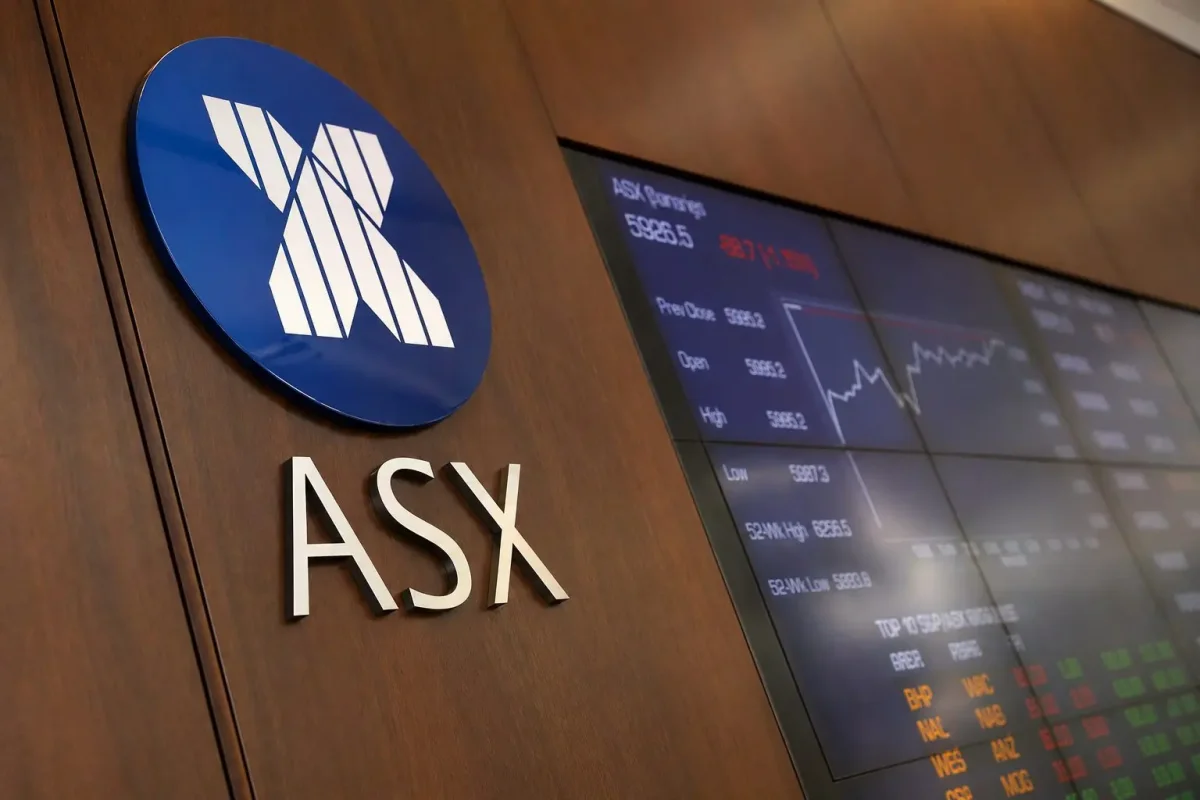
The Australian equity market extended its losing streak on Tuesday, with the S&P/ASX 200 sliding 0.64% to close at 8,710.7—its weakest finish since April 2 and the sixth straight session of declines. The All Ordinaries index also retreated, losing 55.8 points, or 0.62%, to end at 8,935.
Investors are bracing for the release of March consumer price index (CPI) data on Wednesday at 11:30 a.m. AEST, which will provide the latest snapshot of household price pressures. The Reserve Bank of Australia (RBA) is scheduled to hold its next policy meeting on May 5, and the inflation figures could heavily influence the central bank's decision.
February's CPI came in at 3.7% year-over-year, while the trimmed mean—a core measure that excludes volatile items—stood at 3.3%. Both readings remain above the RBA's target range, keeping the possibility of another rate hike firmly on the table. The cash rate has been held at 4.10% since March 18.
Energy shares were the standout gainers, rising 1.2% as Brent crude hovered near $110 a barrel late in the Australian session. Whitehaven Coal surged 3.9%, Santos added 1.2%, and Viva Energy climbed 3.5%, buoyed by higher oil, gas, and coal prices. Gold, however, slipped to a three-week low as rising oil prices reignited inflation worries and shifted focus to upcoming central bank moves.
Most other sectors faced selling pressure. Consumer discretionary stocks fell 2.31%, utilities dropped 2.28%, technology shares declined 1.61%, and healthcare eased 1.24%. Domino's Pizza Enterprises tumbled more than 10% after its U.S. counterpart reported disappointing results. Origin Energy extended its two-day losing streak following a downgrade and a reduced earnings outlook.
Moomoo market strategist Michael McCarthy described the session as "a pretty ugly day," noting the divergence between Australian weakness and U.S. stock resilience. He pointed out that investors outside the U.S. are factoring in risk premiums due to Middle East tensions, weighing both slower growth and the inflationary impact of higher energy prices.
The Australian dollar traded near 71.64 U.S. cents, little changed from Monday's close. McCarthy characterized the currency as being "between a rock and a hard place," caught between optimism in the U.S. and caution elsewhere.
Banks provided some stability, with the financials sector edging up 0.06%. Commonwealth Bank rose 0.9% to A$174.61, offsetting losses elsewhere in the group. Materials weighed on the index, however, as BHP slipped 1.3% to A$55.43 and gold miners declined amid falling bullion prices.
IG market analyst Tony Sycamore warned that if Wednesday's CPI matches or exceeds expectations, it would "almost certainly" trigger a 25-basis-point rate hike in May. However, he noted that softer inflation, cheaper petrol, or any easing of tensions in the Strait of Hormuz could give the RBA room to hold rates steady. For now, the ASX appears more focused on downside risks than chasing Wall Street's recent highs.