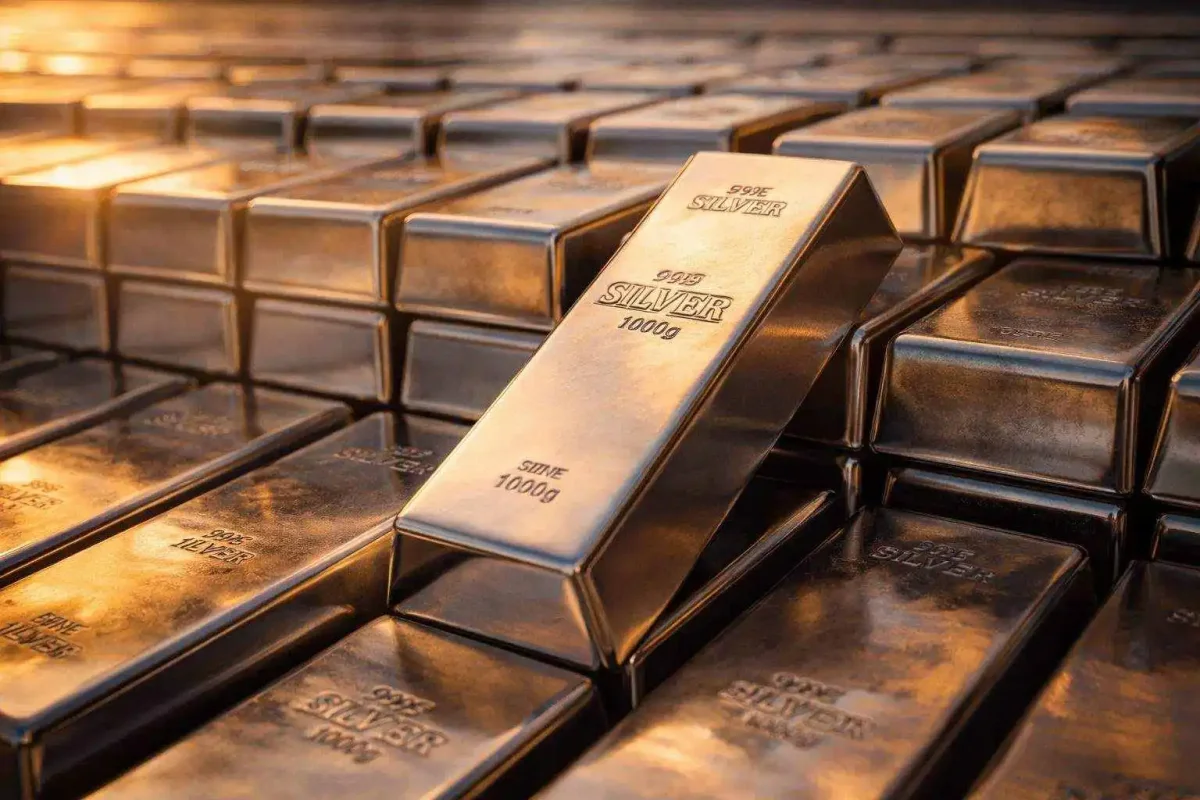
Spot silver prices retreated on Monday, settling 0.3% lower at $84.07 per ounce by 1012 GMT. The move represented a partial recovery from a more severe intraday decline that saw the metal tumble over 5% earlier in the session. The broader precious metals complex faced pressure, with gold dropping 1.2%, platinum shedding 1%, and palladium falling 1.3% as investors scaled back positions in favor of holding cash and other liquid assets.
Oil Shock and Inflation Fears Rattle Commodities
The catalyst for the market turmoil was a sharp spike in oil prices, which surged to touch $119.50 per barrel. This dramatic increase was fueled by escalating geopolitical tensions involving the United States, Israel, and Iran, stoking fears of a renewed inflationary surge across global economies. The commodity market upheaval has left analysts warning of significant economic fallout, with IG analyst Tony Sycamore noting there is "no obvious offramp" from the current crisis.
This development carries substantial implications for silver, a metal sensitive to inflation dynamics. Higher oil prices typically translate into broader inflationary pressures, which in turn dampen market expectations for imminent interest rate cuts from central banks. The surge in energy costs has materially increased recession risks both in the United States and worldwide, according to Chris Beauchamp, chief market analyst at IG.
Dollar Strength and Shifting Rate Expectations
Concurrently, the U.S. dollar experienced a powerful rally as investors sought safety in cash and dollar-denominated assets. Nick Rees of Monex Europe observed that the greenback's relative insulation from the direct turmoil in the Middle East provided it with a distinct advantage. This dollar strength creates a headwind for dollar-priced commodities like silver, making them more expensive for holders of other currencies.
The shifting landscape has forced a major recalibration in interest rate expectations. Data from LSEG indicates traders in U.S. rates markets have significantly pushed back their bets on the timing of the next Federal Reserve rate cut. The consensus has shifted from an anticipated cut in June to a later window, now leaning toward September or October.
Global Central Banks on Alert
The reaction was not confined to the United States. European money markets rapidly adjusted, piling into wagers that the European Central Bank, the Swiss National Bank, and Sweden's Riksbank would respond with additional rate hikes to combat inflation. Frederik Ducrozet at Pictet Wealth Management highlighted the risk that policymakers are confronting "another supply shock" rippling through global supply chains.
Similar concerns are mounting in Asia. Toru Nishihama, chief emerging market economist at Dai-ichi Life Research Institute, pointed to rising stagflation risks—a toxic mix of sluggish economic growth and persistent inflation—which are intensifying daily. Policymakers across the region are grappling with the dual challenge of soaring fuel prices and competing demands from financial markets and governments.
Silver's Volatile Year in Focus
Monday's price action underscores the exceptionally volatile trajectory for silver in 2026. The metal had previously skyrocketed to a record high of $121.64 per ounce in late January, only to reverse those gains abruptly. Sycamore has characterized these dramatic swings in precious metals as "aftershocks" and a direct reaction to what he terms "extreme volatility" in the macroeconomic environment.
The outlook for silver remains clouded. Analysts like Peter Grant at Zaner Metals maintain a degree of optimism but acknowledge the persistence of volatility. Bart Melek of TD Securities identified rising U.S. Treasury yields as a traditional drag on non-yielding precious metals. He warned that silver could face further pressure if the twin forces of a strengthening dollar and climbing oil prices continue their ascent, keeping central banks in a hawkish stance and safe-haven flows directed toward the currency.