Silver prices declined on Tuesday, March 17, 2026, as financial markets adopted a cautious stance ahead of a key policy announcement from the Federal Reserve. The precious metal, which had shown resilience earlier in the year, surrendered ground as investors weighed the implications of persistent inflation against the potential for sustained higher interest rates.
Price Action and Market Data
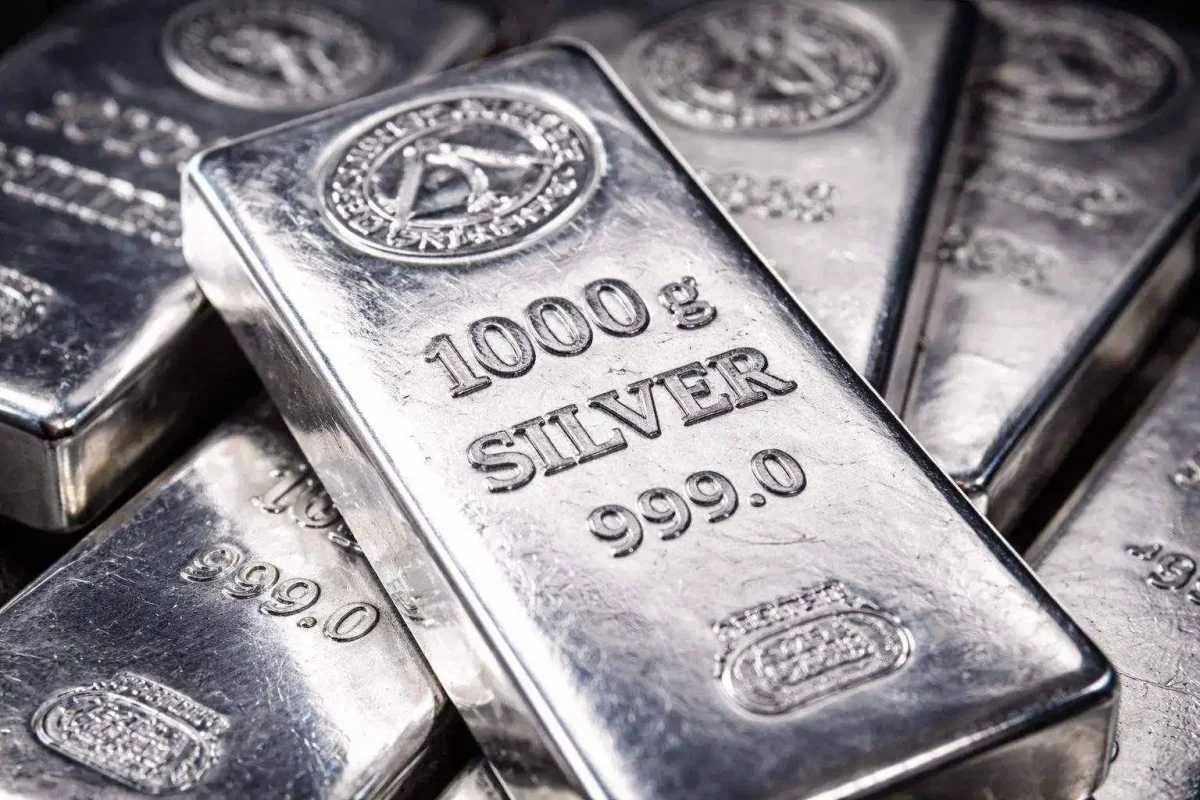
Spot silver traded at $79.55 per ounce as of 2:03 p.m. Eastern Time, representing a decline of 1.5% for the session. On the futures market, the most active silver contract on the CME Group exchange settled at $79.525, down 1.43% from its prior settlement price of $80.682 on March 16. This pullback occurred even as gold prices held relatively steady, highlighting a divergence in the precious metals complex.
The trading session was characterized by what analysts described as a tug-of-war. On one side, a slightly weaker U.S. dollar provided some support. Marc Chandler of Bannockburn Global Forex observed a pattern of traders "selling on rallies" in the currency market. However, this was counterbalanced by significant caution, as the market consensus firmly anticipated the Federal Open Market Committee would maintain its current benchmark interest rate. Market-derived pricing suggested expectations for only a single quarter-point rate cut for the entirety of 2026.
Broader Economic Context
The pressure on non-yielding assets like precious metals has been a persistent theme. Comments from analysts earlier in the week underscored the challenge. Bob Haberkorn of RJO Futures noted on Monday that elevated oil prices, with Brent crude remaining above $100 per barrel, continue to feed inflationary pressures. This environment, he suggested, could compel central banks to delay any planned rate cuts, a headwind for metals that do not offer interest.
Jim Wyckoff, senior analyst at Kitco Metals, framed the bullion market as being caught in a "balancing act." He explained that traditional safe-haven demand is being offset by the market's reaction to stubborn inflation data and the Federal Reserve's corresponding monetary policy stance.
Silver's Volatile Year and Structural Outlook
Tuesday's decline marks a retreat from silver's strong performance earlier in the year. The metal surged past the $90 per ounce threshold in January 2026, fueled by investor appetite. Despite the recent correction, the fundamental backdrop for silver remains tight. The Silver Institute warned last month that the market is expected to face a structural supply deficit throughout 2026. This would mark the sixth consecutive year in which global demand is projected to outstrip newly mined and recycled supply.
Equity Market Reaction
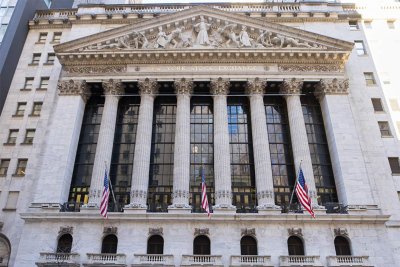
The weakness in the underlying commodity translated directly to the equity market. Shares of major silver producers declined in New York trading. Pan American Silver saw its stock price fall approximately 1.2%. Hecla Mining gave up 1.1%, while Coeur Mining edged 0.4% lower. The moves demonstrated the high sensitivity of these mining stocks to fluctuations in the spot price of silver.
Trader Sentiment and Fed Watch
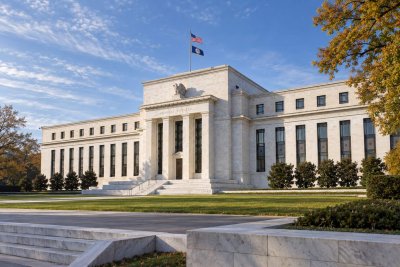
Market activity suggested traders were largely sidelined, preferring to await clarity from the Federal Reserve. After a brief morning gain of 0.4%, noted by Barron's, silver futures relinquished those advances as the session progressed. The focus was squarely on the Fed's upcoming policy statement, its updated economic projections, and the subsequent press conference chaired by Jerome Powell.
Analysts pointed to a potential catalyst for a rebound. If the Federal Reserve's messaging is perceived as less hawkish—or more open to rate cuts—than the market currently expects, silver could experience a rapid rally. As a non-yielding asset, it becomes more attractive in a lower interest rate environment.
Broader Market Dynamics
The day's trading revealed a lack of broad-based urgency to move into traditional safe havens. Global equity markets posted gains for a second consecutive day on Tuesday, even with oil prices holding firm. This dynamic left silver underperforming gold, unable to match bullion's firmer footing. The mixed performance reinforces silver's hybrid identity in the eyes of investors: part inflation hedge, part industrial and growth-oriented play, making its price action particularly sensitive to shifts in economic expectations.