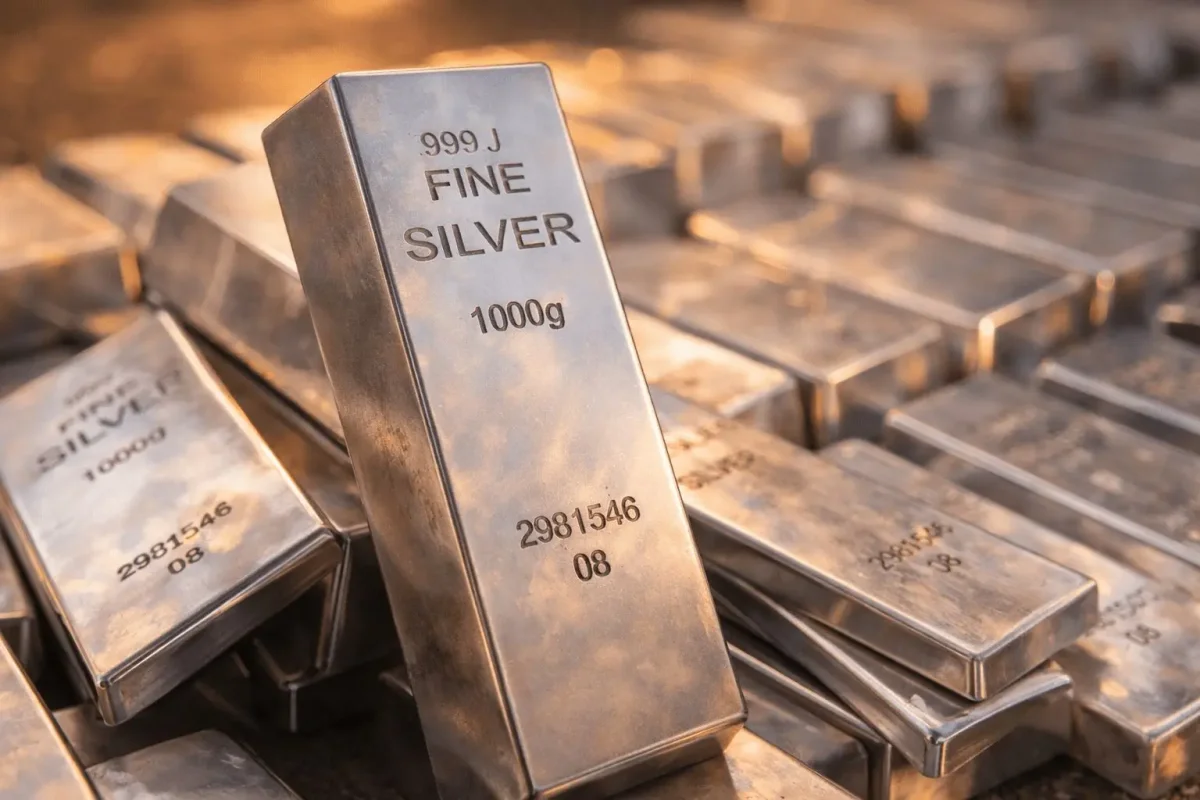
Spot silver commenced the new trading week under significant pressure, closing the previous session at $69.39 per ounce. This represents a dramatic decline from the $81.00 level reached on March 13, as robust U.S. dollar strength and climbing Treasury yields overwhelmed any supportive safe-haven flows stemming from geopolitical tensions in the Middle East.
Geopolitical Tensions and the Oil Wildcard
The fundamental landscape for commodities was jolted over the weekend following reports that Iran threatened to close the critical Strait of Hormuz if U.S. forces targeted its energy infrastructure. This key chokepoint handles a substantial portion of the world's seaborne oil trade. Brent crude futures settled Friday at $112.19 per barrel, with analysts warning of a potential spike when global markets reopened. The situation has been described by some market observers as a "ticking time bomb of elevated uncertainty," highlighting the fragile balance in energy markets.
The Dual Nature of Silver's Demand
Silver's price trajectory faces a unique challenge due to its dual role as both a precious metal and a crucial industrial component. Unlike gold, which trades predominantly on monetary and safe-haven appeal, a significant portion of silver demand derives from its use in electronics, electric vehicle production, and solar panels. This industrial linkage makes upcoming economic data, particularly the flash Purchasing Managers' Index (PMI) surveys, critically important. The March readings, scheduled for release on Tuesday, will serve as an early gauge of whether the recent energy price shock is beginning to dampen global business activity. Data from S&P Global will be released sequentially for Asian, European, and U.S. markets between March 23 and 24.
The Persistent Headwind of Monetary Policy
The primary obstacle for non-yielding assets like silver remains the interest rate environment. The Federal Reserve held its benchmark rate steady last week but signaled heightened concern over persistent inflation. This prompted a swift repricing in interest rate futures; where traders had recently anticipated approximately half a percentage point of rate cuts in the coming months, they are now bracing for the possibility of additional rate increases this year. Higher yields on government bonds increase the opportunity cost of holding bullion, which generates no income, thereby diminishing its relative attractiveness.
Fixed income and foreign exchange markets concluded the prior week aligned in their bearish message for metals. The yield on the benchmark U.S. 10-year Treasury note advanced to 4.384%, while the two-year yield reached 3.894%. Concurrently, the U.S. Dollar Index, which measures the greenback against a basket of major currencies, held firm near 99.58. Analysts noted that central bank communications globally have struck a more hawkish tone on inflation than markets had expected, demonstrating "no interest in cutting rates" in the immediate future.
Broad-Based Weakness Across Precious Metals
The sell-off was not isolated to silver. The entire precious metals complex retreated as traders interpreted the Middle East conflict primarily through the lens of oil prices and inflationary consequences, rather than as a classic catalyst for safe-haven demand. Gold finished Friday's session lower at $4,563.64 per ounce. Platinum declined to $1,953.18, and palladium edged down to $1,423.59. The sector was described as "especially wobbly" following a week dominated by interest rate anxieties.
Industrial Demand and Structural Deficits
The case for a silver rebound weakens considerably if the global growth outlook deteriorates. A combination of softer PMI data and another surge in oil prices would deliver a dual blow: eroding industrial consumption while likely keeping interest rates higher for longer. Notably, industry reports from February indicated that some solar panel manufacturers were already increasing their use of copper relative to silver in an effort to manage costs. The photovoltaics sector accounts for approximately 17% of total silver demand, making this substitution trend a notable headwind.
However, a significant counterweight exists in the market's underlying fundamentals. The Silver Institute projected in February a sixth consecutive annual structural supply deficit for 2026, implying demand will continue to outstrip new supply. The institute identified strong retail investment demand as a potential buffer against any softening in industrial usage. For the week ahead, trader focus will be split between Monday's oil market reaction, Tuesday's PMI releases, inflation data from Japan, and any further shifts in interest rate expectations. While some analysts anticipate a period of consolidation for silver, they caution the path is likely to remain "a bumpy ride."