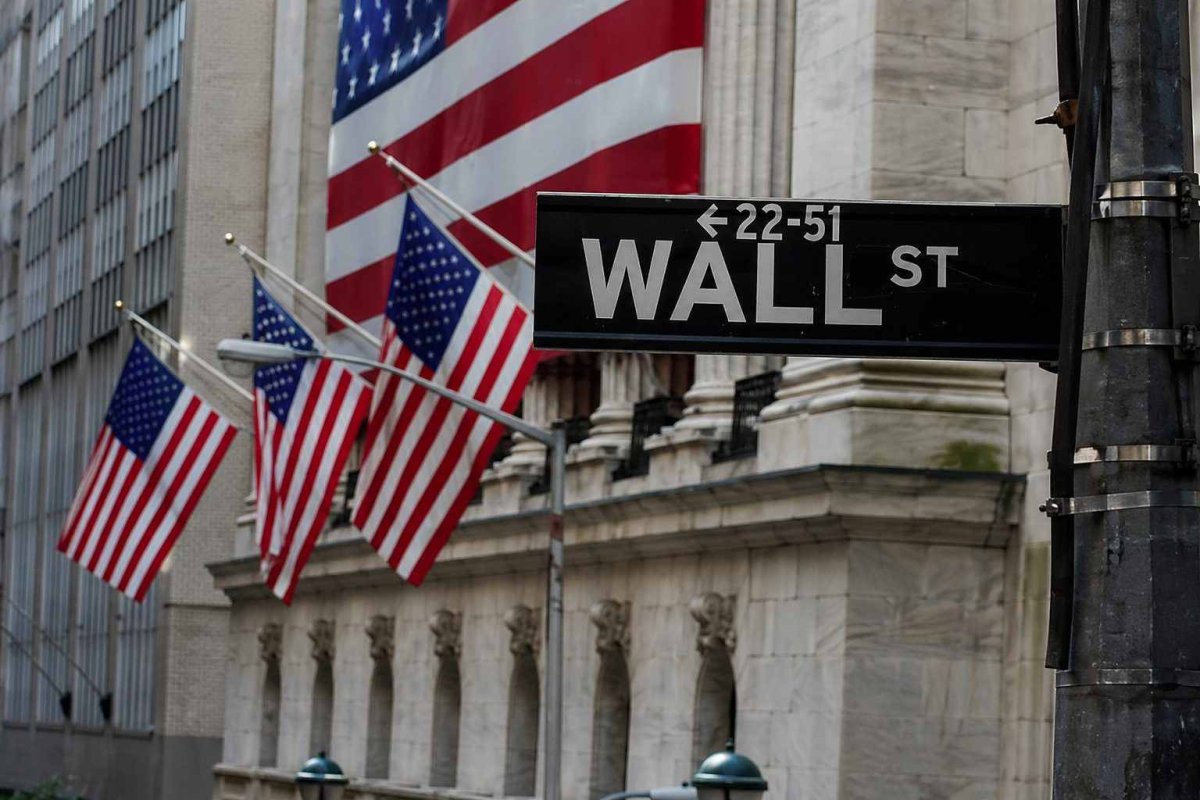
Wall Street barreled higher on Wednesday, with the S&P 500 and Nasdaq Composite both closing at new all-time highs. The rally was fueled by a potent mix of strong corporate earnings, renewed enthusiasm for artificial intelligence stocks, and a steep decline in oil prices that could help ease inflationary pressures.
By 12:30 p.m. ET, the Dow Jones Industrial Average had climbed 510.85 points, or 1.04%, to 49,809.10. The S&P 500 advanced 82.14 points, or 1.13%, to 7,341.36, while the Nasdaq surged 395.68 points, or 1.56%, to 25,717.84. The gains came as investors processed a trio of positive catalysts: upbeat earnings, a resurgent AI trade, and a sudden slide in crude oil.
AMD Leads AI Charge
Advanced Micro Devices (AMD) was the standout performer, jumping nearly 17% to hit an all-time high. The chipmaker projected second-quarter revenue well above Wall Street estimates, driven by robust demand for its data-center processors used in AI and cloud computing. CEO Lisa Su told investors she expects server growth to "accelerate meaningfully" as the company ramps up supply. AMD forecast current-quarter revenue of $11.2 billion, plus or minus $300 million, topping the $10.53 billion analysts expected, according to Visible Alpha.
The upbeat outlook lifted the entire semiconductor sector. Intel (INTC), Nvidia (NVDA), and Super Micro Computer (SMCI) all climbed, pushing the Philadelphia Semiconductor Index to a new record.
Oil Plunges on Iran Deal Hopes
Oil prices took a sharp turn lower, with Brent crude dropping $7.63, or 6.94%, to $102.24 a barrel by late morning in New York. Earlier, prices briefly dipped below $100, a level last seen on April 22. U.S. crude fell 6.84% to settle at $95.27. The sell-off was triggered by reports that Washington and Tehran are nearing a framework agreement. According to Rystad Energy's chief oil analyst Paola Rodriguez-Masiu, any deal would likely take six to eight weeks to normalize supply. However, the rally remains contingent on a deal that has not yet been finalized. Iran said it is reviewing the latest U.S. proposal, with sources pointing to a potential one-page memo that could initiate a 30-day window for talks covering the Strait of Hormuz, sanctions relief, and nuclear activity limits.
Labor Market Data
On the economic front, ADP reported that private-sector payrolls increased by 109,000 in April, the fastest pace since January 2025. Annual pay growth held steady at 4.4%. "Small and large employers are hiring, but we're seeing softness in the middle," said ADP Chief Economist Nela Richardson. All eyes are now on Friday's nonfarm payrolls report, a key data point that often shapes expectations for Federal Reserve policy.
Earnings Season Continues
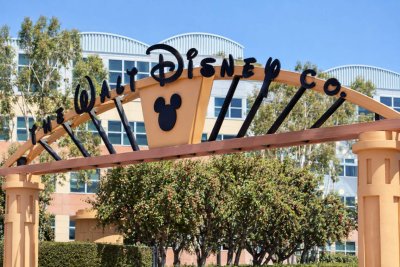
Corporate earnings continued to impress. Disney (DIS) gained after reporting adjusted earnings per share of $1.57 and revenue of $25.2 billion, both beating LSEG forecasts. New CEO Josh D'Amaro assured investors the company remains focused on streaming, live sports, parks, and cruise lines. Uber (UBER) jumped roughly 7% after projecting second-quarter gross bookings between $56.25 billion and $57.75 billion, above analyst estimates of $56.07 billion. Adam Ballantyne, senior analyst at Cambiar Investors, said the outlook pointed to "durable demand."
"The market is responding to the de-escalation optimistically, on top of a strong earnings season," said Josh Chastant, managing director for public markets at GuideStone Funds. S&P 500 companies beating profit estimates through May 1 at an unusually high clip, according to LSEG data, has played a big part.
Fed Watch
Despite the rally, Federal Reserve jitters persist. St. Louis Fed President Alberto Musalem flagged that inflation risks have tilted upward, warning that rates might need to remain unchanged for an extended period. "A lot of uncertainty right now," he said. Higher interest rates tend to pressure stock valuations by reducing the present value of future profits.
Michael Brown, senior research strategist at Pepperstone, described the global shift as "a pretty punchy" move, with markets verging on "buy everything" mode. That sentiment showed up not just in U.S. equities but in global stocks climbing and oil dropping.