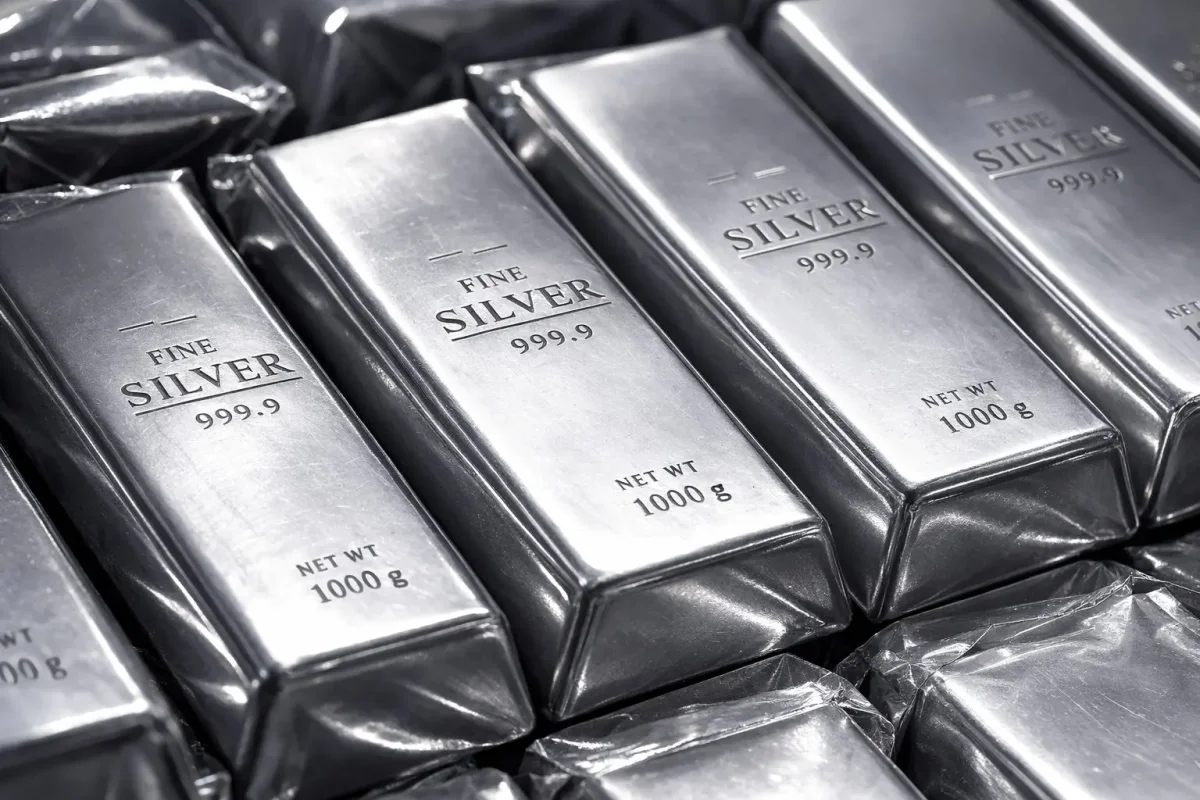
Precious metals markets concluded the week with a significant rally, as spot silver prices surged 4.8% on Friday to settle at $92.60 per ounce. The move positions the metal for a substantial monthly advance of approximately 9.7% for February 2026, reflecting a potent mix of safe-haven demand and shifting interest rate expectations.
Geopolitical Shockwaves Rattle Markets
The trading session's momentum was amplified over the weekend by a sharp escalation in Middle Eastern tensions. Military strikes conducted by the United States and Israel against Iranian targets prompted immediate retaliation from Tehran, raising the specter of a broader regional conflict. The immediate market repercussion was a decision by several major oil producers and trading firms to temporarily suspend crude and fuel shipments transiting the critical Strait of Hormuz, a vital chokepoint for global energy supplies.
Analysts quickly assessed the potential impact on oil markets. William Jackson of Capital Economics noted that Brent crude could approach $80 per barrel even if hostilities do not spread significantly. However, he cautioned that a prolonged disruption to shipments could create a scenario where prices test the $100 level, reigniting inflationary concerns that have plagued the global economy.
Macroeconomic Backdrop Supports Metals
The flight to safety was evident across several asset classes. The yield on the benchmark 10-year U.S. Treasury note retreated to 3.96%, while the U.S. Dollar Index softened to 97.67. This combination—lower yields and a weaker dollar—traditionally creates a favorable environment for non-yielding assets like precious metals, as it reduces the opportunity cost of holding them.
Meanwhile, oil futures climbed more than 2% during Friday's session, adding another layer of complexity for central banks monitoring inflation. Recent data showed U.S. producer prices rose 0.5% in January, exceeding the 0.3% consensus estimate. This has contributed to what Adam Button, chief currency analyst at investingLive, described as "a real deep unease in markets about inflation and growth so far in 2026."
Silver's Dual Nature in Focus
Silver's price action highlights its unique position within the commodities complex. "It's a risk-off in a flight to safety," explained Phillip Streible, chief market strategist at Blue Line Futures. Like gold, silver benefits from its perceived haven status during periods of geopolitical or financial stress. Conversely, a substantial portion of silver demand stems from industrial applications, including electronics and solar panels. This duality means the metal can face crosscurrents; it rallies on safety bids but may see pressure if growth worries intensify and dampen industrial consumption.
The metal's sensitivity to interest rates was on full display. The drop in Treasury yields directly decreased the carrying cost for investors holding silver, which offers no coupon or dividend. Futures markets reflected a cautious recalibration of Federal Reserve policy expectations, with traders pricing in roughly a 42% probability of a quarter-point rate cut by June. Overall, expectations have settled around 62 basis points of total easing by the end of the year, with the prevailing view being that the Fed will hold steady at least through the mid-year meetings.
A History of Volatility
Market participants are also mindful of silver's capacity for extreme volatility. As recently as January 29, the metal skyrocketed to an all-time peak of $121.64 an ounce before undergoing a sharp and painful reversal. This history serves as a reminder that the current risk premium built into prices could evaporate quickly if geopolitical tensions de-escalate, potentially triggering another steep pullback.
Critical Data on the Horizon
The sustainability of Friday's rally is likely to be tested by a packed economic calendar in the coming week. Early attention will fall on a series of global Purchasing Managers' Index (PMI) releases, which provide timely snapshots of economic activity in the manufacturing and services sectors.
The primary event, however, will be the U.S. Employment Situation report for February, scheduled for release on March 6 at 8:30 a.m. ET. The non-farm payrolls and unemployment data are considered among the most influential indicators for Federal Reserve policy, directly shaping expectations for the timing and magnitude of future interest rate adjustments. A strong report could bolster the dollar and weigh on metals, while weaker data might reinforce the case for imminent Fed easing.
Another variable is the U.S. dollar itself. A resurgent greenback typically acts as a headwind for dollar-denominated commodities like silver, making them more expensive for holders of other currencies and potentially curbing international demand irrespective of risk sentiment.
As markets reopen on Monday, traders will be navigating a fraught landscape defined by military conflict, uncertain central bank policy, and crucial economic data. Silver, sitting at the intersection of these forces, is poised for potentially significant moves in the days ahead.