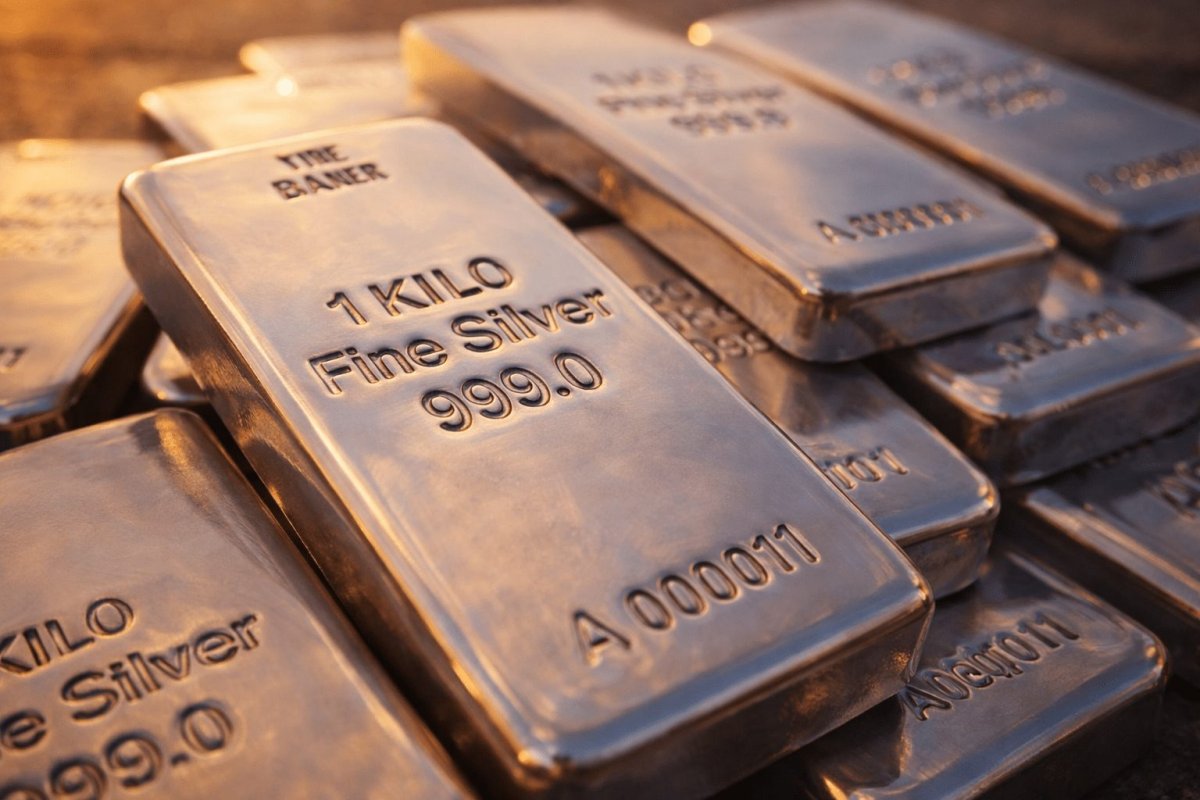
Silver prices experienced a significant sell-off on Thursday, April 2, 2026, shedding nearly 4% of their value. The sharp decline was primarily driven by a flight to the U.S. dollar and a surge in oil prices, following comments from President Donald Trump indicating continued U.S. military strikes against Iran. Spot silver was down 3.9% at $72.19 per ounce by late morning trading in New York.
Market Reversal Amid Macro Jitters
The day's losses erased the modest rebound silver had posted on Wednesday, highlighting the metal's volatile and complex positioning in the current macroeconomic environment. Silver often exhibits characteristics of a safe-haven asset, similar to gold. However, its extensive industrial applications in sectors like electronics, electric vehicles, and solar panels also tether its performance to global economic growth and interest rate expectations, making it susceptible to sell-offs during periods of uncertainty.
The reversal was swift. While silver led the decline, gold also fell, dropping 2% to $4,660.95 an ounce. In contrast, platinum managed a 0.5% gain, and palladium advanced 2.1%. This contrasted sharply with the previous session, where silver had risen 1.2% to $76.03, buoyed by a weaker dollar and fleeting hopes for de-escalation in the Middle East.
Trader Focus on Oil, Dollar, and Hormuz
Market participants zeroed in on the immediate catalysts. "The market is very focused on Trump's comments," noted David Meger, director of metals trading at High Ridge Futures. He added that with little indication energy prices would stabilize quickly, non-yielding assets like silver become less attractive, especially in an environment of persistent inflation and diminishing expectations for near-term interest rate cuts.
The broader commodity and currency markets moved in concert. Brent crude oil futures jumped more than 7%, surpassing $110 a barrel. The U.S. Dollar Index, which gauges the greenback against a basket of major currencies, added 0.39%. Investor anxiety concentrated on the Strait of Hormuz, a critical maritime chokepoint for approximately one-fifth of the world's seaborne oil and liquefied natural gas traffic. "The only thing that really matters is whether the Strait of Hormuz will open soon," stated Prashant Newnaha, a strategist at TD Securities.
Volatile Trading and Long-Term Supply Dynamics
Thursday's drop followed a dramatic 6.7% surge in silver on Tuesday to $74.64, which itself was insufficient to offset a steep 20.4% decline for the month of March. The silver market is notoriously difficult to forecast, and analysts at BNP Paribas project it will trade between $65 and $75 through the end of 2026. Furthermore, the physical market is forecast to tip into a surplus by 2027.
Despite the near-term volatility driven by macro factors, the longer-term supply narrative for silver remains relevant. As recently as February, the Silver Institute projected a sixth consecutive annual supply deficit for 2026, with demand expected to outpace supply. This structural tightness, stemming from robust industrial demand coupled with a rebound in retail investment, helps explain silver's historical capacity for sharp rebounds following periods of heavy selling pressure.
Short-Term Outlook: Choppy and Cross-Currented
The immediate path forward appears choppy. Bob Haberkorn of RJO Futures suggested on Wednesday that "gold prices could move back above $5,000 per ounce" if hopes for Federal Reserve rate cuts were to revive on easing geopolitical tensions. Conversely, Tony Sycamore from IG described a potential ceasefire as a "double-edged sword" for gold, where safe-haven demand might wane, but lower oil prices and softer inflation could provide underlying support. Silver finds itself navigating these same cross-currents, with the added pressure from its industrial demand side.
For now, the immediate drivers of oil prices, dollar strength, and developments in the Iran conflict remain the dominant focus for traders, temporarily overshadowing silver's own fundamental supply story. This shift in priority was clearly evidenced by Thursday's pronounced price action.