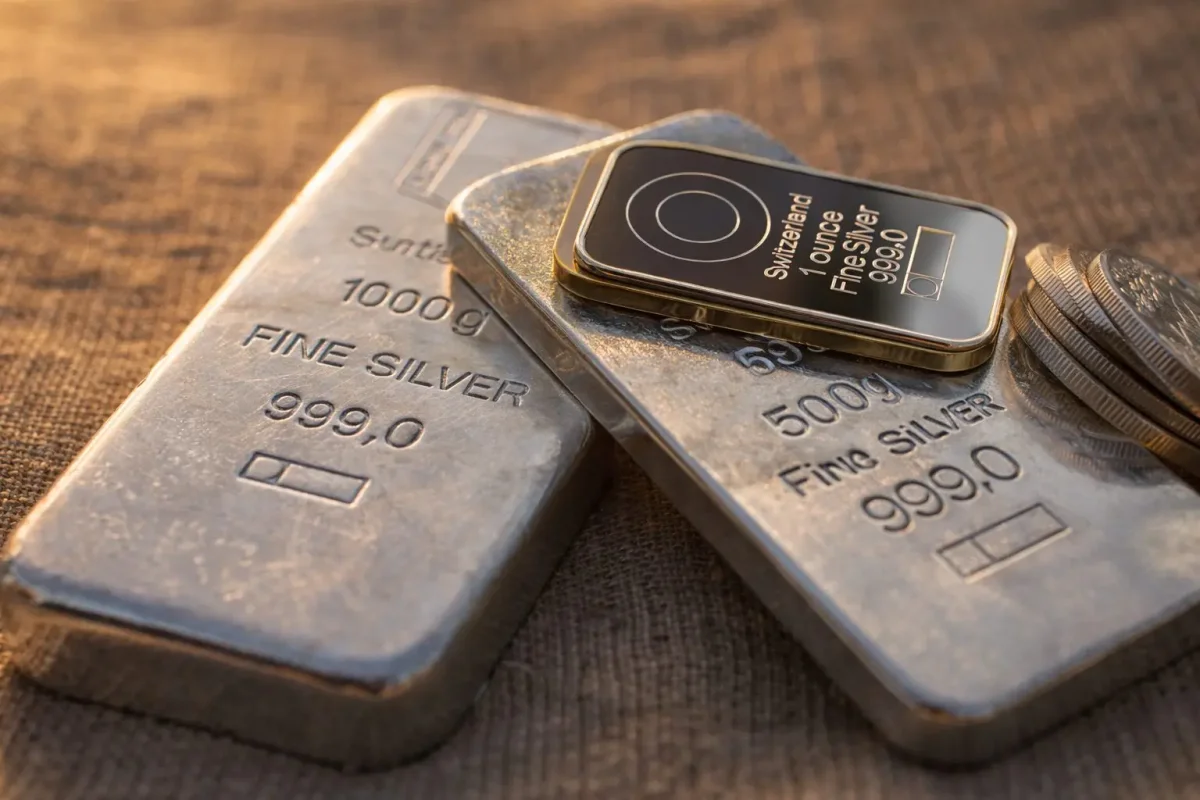
Silver prices experienced a significant sell-off on Friday, March 20, 2026, declining 4.8% to $69.39 per ounce by the early afternoon. The metal is poised to close the week in negative territory, pressured by a concurrent rally in the U.S. dollar and Treasury bond yields. This move followed reports of increased U.S. military deployments to the Middle East, which contributed to broader market volatility.
Precious Metals Under Pressure
The downturn was not isolated to silver. The broader precious metals complex faced selling pressure, with gold falling 1.8%, platinum declining 0.9%, and palladium slipping 1.6%. Market participants noted that gold and silver were being dragged lower as financial markets navigated a heightened "wall of worry." Independent metals trader Tai Wong cautioned that the path ahead could be "a bumpy ride" for the sector.
Shifting Fed Expectations Drive the Move
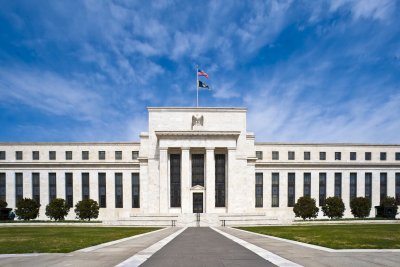
The core catalyst for the decline is a rapid reassessment of monetary policy. Investors are largely abandoning hopes for imminent interest rate cuts from the Federal Reserve. Market pricing now indicates approximately a 75% probability of a rate hike by September, with the odds of an increase as soon as July now better than even. Since silver, like gold, offers no yield, it becomes less attractive to hold when interest rates and bond yields rise, as the opportunity cost of owning it increases.
The currency markets reflected this shift. The U.S. dollar index advanced roughly 0.4% on Friday, paring its losses for the week. Analysts at Monex USA noted that recent communications from central banks have struck a "more confident" tone on inflation than markets had anticipated, emphasizing that the Fed currently has "no interest in cutting rates."
Bond and Equity Market Reactions
The bond market solidified the tighter policy narrative. The yield on the benchmark 10-year U.S. Treasury note climbed to 4.372%, while the two-year yield moved to 3.928%. Scott Welch, Chief Investment Officer at Certuity, pointed to rising oil prices—with Brent crude surpassing $110 a barrel—as a key factor driving inflation concerns and, consequently, yields higher.
The weakness in the underlying commodity quickly translated to pain for related equities. Toronto's materials sector, a key hub for mining stocks, fell 2.9%. Shares of silver producer Endeavour Silver sank more than 4%, exemplifying the direct hit to miners' profitability from lower metal prices.
Long-Term Fundamentals vs. Short-Term Sentiment
Despite the sharp sell-off, the long-term supply-demand picture for silver remains tight. The metal has substantial industrial applications, including in electronics, electric vehicles, and solar panels. The Silver Institute recently forecast the market is headed for its sixth consecutive annual structural deficit in 2026, where demand outpaces supply. This is projected even as industrial usage is expected to dip 2%, with a 20% jump in physical investment demand anticipated to create the shortfall.
However, traders are currently ignoring these longer-term fundamentals, focusing squarely on monetary policy headwinds. The correction has been swift; after soaring to a record high of $121.60 on January 29, silver has tumbled. Analysts had warned at the time that such a pullback was likely and could see prices retreat to a range between $60 and $70, which they viewed as more aligned with fundamental drivers outside of speculative fervor.
Market Outlook
The immediate risk for silver bulls is that persistently high oil prices continue to fuel inflation fears, cementing expectations for more aggressive Fed action. Under this scenario, the current sell-off may have further to run. A stabilization could be prompted by a faster-than-expected easing of global supply chain disruptions or a meaningful dip in bond yields. For now, however, silver is trading less as a traditional safe-haven asset and more in lockstep with interest rate expectations, leaving it vulnerable in the current financial climate.