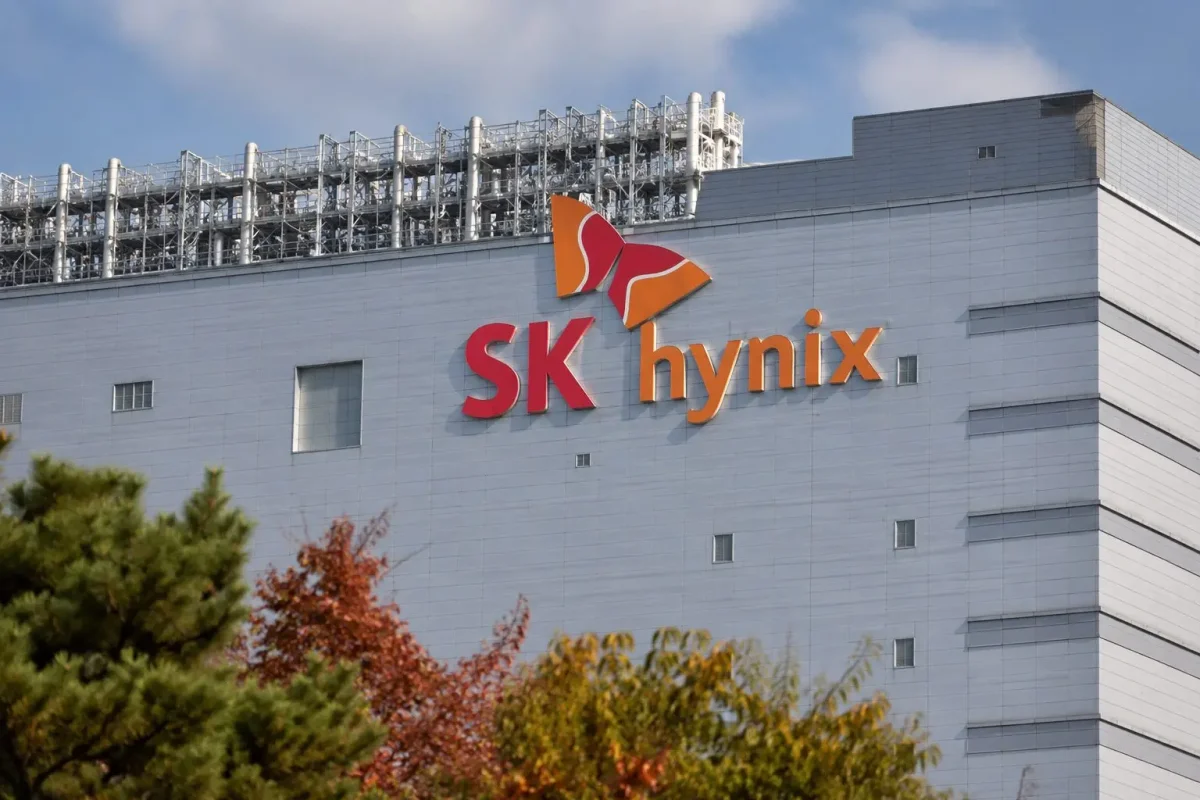
SK Hynix Inc. experienced a sharp decline on Monday, sliding 7.68% to close at 1,911,000 won in Seoul, even after announcing a multi-year memory supply agreement with Nvidia. The broader market rout, driven by fears of a US interest rate hike and a tech stock selloff, overshadowed the positive partnership news.
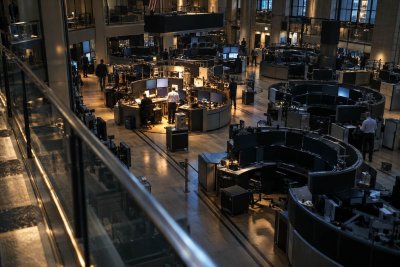
The KOSPI index plummeted 8.3% to 7,484.41, marking its steepest single-day drop since March 4. Circuit breakers were triggered shortly after the market opened, halting trading as selling pressure intensified. South Korean chip stocks were among the hardest hit, with Samsung Electronics losing 10.2%.
The selloff was fueled by stronger-than-expected US jobs data, which revived expectations that the Federal Reserve may raise interest rates. This sparked a wave of selling in technology stocks globally, with the Nasdaq falling 4.2% and the Philadelphia Semiconductor Index dropping 10% on Friday, dragging Asian tech shares lower.
Despite the market turmoil, Nvidia confirmed it has signed a multi-year partnership with SK Hynix to supply advanced memory for AI data centers worldwide. Nvidia CEO Jensen Huang stated that SK Hynix remains Nvidia's largest memory partner and will continue to hold that position. He noted that Nvidia already spends "billions and billions of dollars" annually on SK Hynix products, with that figure expected to rise.
The partnership centers on high-bandwidth memory (HBM), which enables faster data transfer by stacking memory chips. SK Hynix recently told investors that strong HBM pricing is expected to persist into next year, and demand for Nvidia's new platform could tighten the broader memory market from 2027. Huang also remarked that the memory shortage will last for "quite a few years," driven by strong demand for wafers, packaging, and silicon photonics technology.
Han Ji-young, an analyst at Kiwoom Securities, commented that the selloff was a natural reaction to the US jobs data and the recent rally in semiconductor stocks. "Volatility is inevitable," Han said, but he does not foresee a prolonged downturn given that valuations are less stretched and chip earnings remain robust.
Foreign investors continued to offload South Korean stocks, with net sales of 355 billion won, extending their selling streak to 21 consecutive days. The South Korean won rebounded to 1,533.7 per dollar after hitting a 2009 low of 1,615.0 on Friday.
The risk for SK Hynix is that while the AI memory story remains intact, the market may pause its upward momentum. If US rate concerns persist and growth stocks remain under pressure, or if the semiconductor trade becomes overcrowded, SK Hynix could face further exposure despite rising demand from Nvidia.