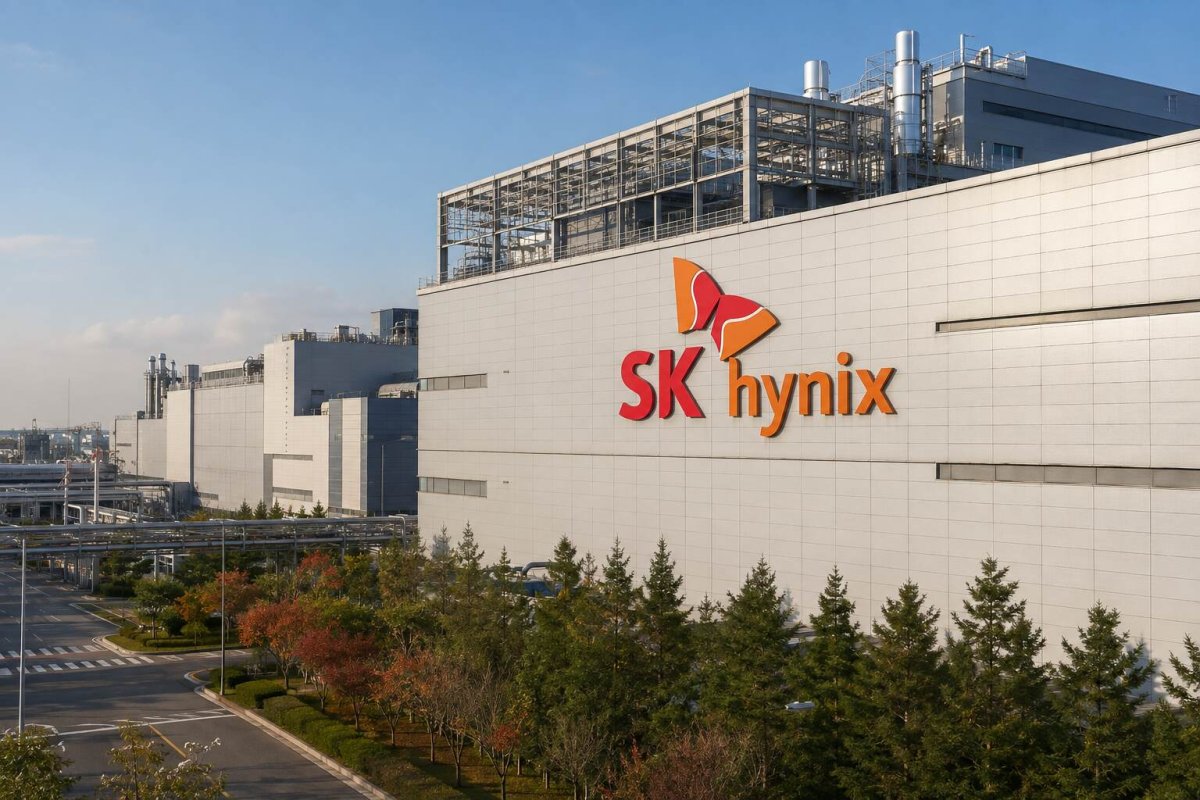
SK hynix Inc. (KRX:000660; NASDAQ:SKHY) saw its Seoul-listed shares surge 5.65% to KRW 1,740,000 by mid-morning Monday, yet the move only partially closed the wide valuation gap between its Korean common stock and its U.S. depositary receipts (ADSs).
According to the SEC-filed deposit agreement, each SKHY American depositary share represents one-tenth of a common share. At the contemporaneous exchange rate of KRW 1,337.70 per U.S. dollar, the Korean interest was worth $130.07. With SKHY closing Friday at $177.00 on the Nasdaq, the U.S. security still traded at a 36.1% premium to its underlying Korean shares.
The comparison is particularly relevant for investors who jumped into SKHY after Friday's 8.14% surge. However, it does not represent a risk-free arbitrage opportunity. The calculation was made while Seoul's market was open, but the Nasdaq price was frozen at its September 4 close—a timing mismatch that complicates any direct comparison.
The Gap Persists Despite Seoul Rally
Friday's comparable spread was even wider, at 45.7%, based on a translated Korean interest of $121.51. Monday's common-share rally, combined with a firmer won, lifted that value by 7.0% to $130.07. This narrowed the premium by 9.6 percentage points, even though no new U.S. regular-session price was available.
In dollar terms, a buyer at SKHY's last close was paying $46.93 above the current currency-adjusted value of the Korean shares. However, fees, taxes, settlement costs, and currency exposure complicate any conversion, and the mismatched trading sessions add another layer of risk.
Nasdaq's regular session is closed Monday for Labor Day, as shown on the exchange's 2026 holiday calendar. SKHY cannot react in regular trading until Tuesday, while the KRX can continue to move before then.
AI Optimism Drives Chip Rally, But Not New Orders
The move was part of a broader Korean semiconductor rally. The KOSPI index was up 2.93% at 6,883.41 by late morning. Yonhap news agency linked the advance to Friday's U.S. semiconductor surge, which followed OpenAI's introduction of GPT-6 Astra.
OpenAI's September 3 announcement describes a new model with advanced computer-use capabilities, but it does not name SK hynix or disclose any memory supply contract. Monday's jump is best viewed as market read-through rather than company-specific guidance.
That said, the demand thesis does have independent company evidence. SK hynix has confirmed that mass shipments of HBM4 (High Bandwidth Memory 4) began in the second quarter, with a larger ramp planned for the second half of the year. The company also reported long-term supply agreements with about ten customers in its July 29 results release.
Second-quarter revenue reached KRW 79.32 trillion, with operating profit of KRW 60.54 trillion, yielding a 76% operating margin. These figures support the earnings case for high-bandwidth memory, but they do not explain why two claims on the same company should trade 36% apart.
What to Watch: Tuesday's Nasdaq Reopening
The first checkpoint is Monday's 3:30 p.m. KST close in Seoul. If Korean shares sustain a price near KRW 1.74 million, SKHY will have less catch-up work to do than it faced on Friday. A reversal would reopen the gap before New York trades.
The cleaner test arrives when Nasdaq reopens at 9:30 a.m. EDT Tuesday. A lower SKHY open would shrink the premium from the U.S. side. A flat U.S. price, paired with firm Seoul trading, would leave the premium elevated but smaller.
In essence, SK hynix's operating story and SKHY's listing price are now two separate decisions. Monday's rally strengthened the former and reduced the cost of the latter, but it did not make the extra cost disappear.
