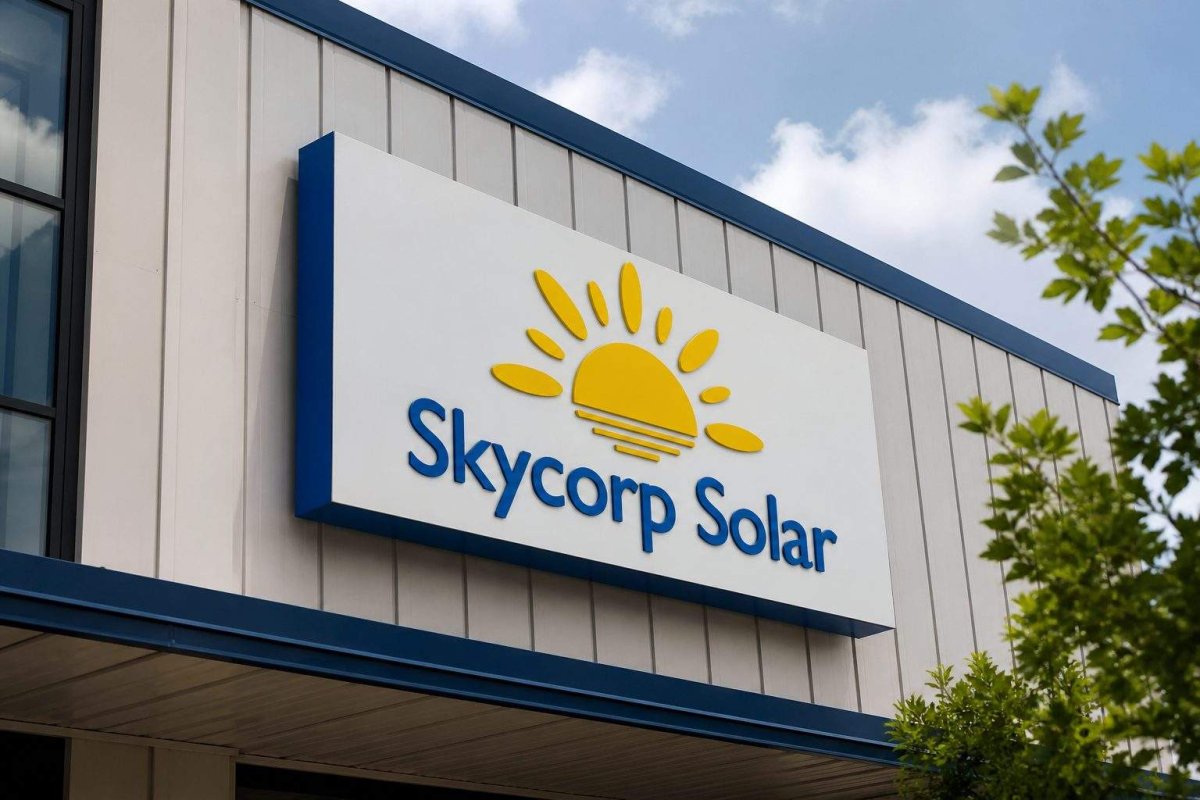
Shares of Skycorp Solar Group Ltd surged 88.8% to $5.41 on Nasdaq Monday afternoon, following the announcement of a $20.2 million acquisition of the remaining 56% stake in Nanjing Cesun Power Co. and a $3 million private placement. Trading volume soared to 46.9 million shares, far exceeding the typical daily average.
The acquisition will be funded entirely through the issuance of 7.98 million new ordinary shares, split between Class A and Class B shares. This stock-based payment structure has raised immediate concerns among investors about significant dilution to existing shareholders. After the deal closes, Skycorp expects to have approximately 12.2 million ordinary shares outstanding, with about 79% of those shares coming from the acquisition and the private placement.
Skycorp currently owns 44% of Nanjing Cesun through its subsidiary PN Sunshine Pte. Ltd. The acquisition will give the company full ownership of Nanjing Cesun, which provides server hardware, inverters, photovoltaic (PV) power station operations, and energy management technology. This move marks a strategic expansion beyond Skycorp's traditional solar cable and connector business into a broader clean-energy footprint.
Chief Executive Huang Weiqi called the full takeover "a pivotal milestone," stating it will integrate server equipment and energy management under the company's renewable-energy arm. He also noted the $3 million private placement signals strong investor backing and provides additional capital for growth initiatives.
The private placement involves selling 1.69 million Class A shares at $1.7703 each—a discounted price equal to 70% of the 10-day average Nasdaq closing price from April 17 to April 30. This PIPE (private investment in public equity) deal is negotiated with select investors rather than conducted on the open market.
There is a related-party aspect to the transaction: Huang personally holds a 20% stake in Nanjing Cesun, while EZPower Ltd. owns 36%. Huang also has a 40% beneficial interest in EZPower. Skycorp stated that its independent audit committee handled the review, negotiations, and approval of the deal to ensure proper governance.
The acquisition is subject to standard closing conditions, including PRC transfer documentation and potential approval from China's State Administration for Market Regulation. The agreement requires a full audit of Nanjing Cesun within 90 days after closing, with remedies available if significant hidden liabilities or misstatements are discovered.
Skycorp's financial performance has shown mixed results. Fiscal 2025 revenue rose 27% to $63.3 million, but gross margin narrowed to 9.95% from 13.10% the prior year. The company swung from a net profit of $1.2 million to a net loss of $2.2 million, reflecting pricing pressure and rising operating costs.
The stock surge comes less than a week after Skycorp resolved a Nasdaq minimum bid-price compliance issue. The exchange had previously notified the company that its stock failed to meet the $1 closing bid requirement, but Nasdaq confirmed compliance was regained for the 10 business days ending April 24.
While the acquisition positions Skycorp in markets that include competitors like Shoals Technologies, SolarEdge, and Tigo Energy, execution and dilution risks remain significant. The company's lean operations and recent net loss underscore the challenges ahead as it seeks to integrate new businesses and manage its expanded capital structure.