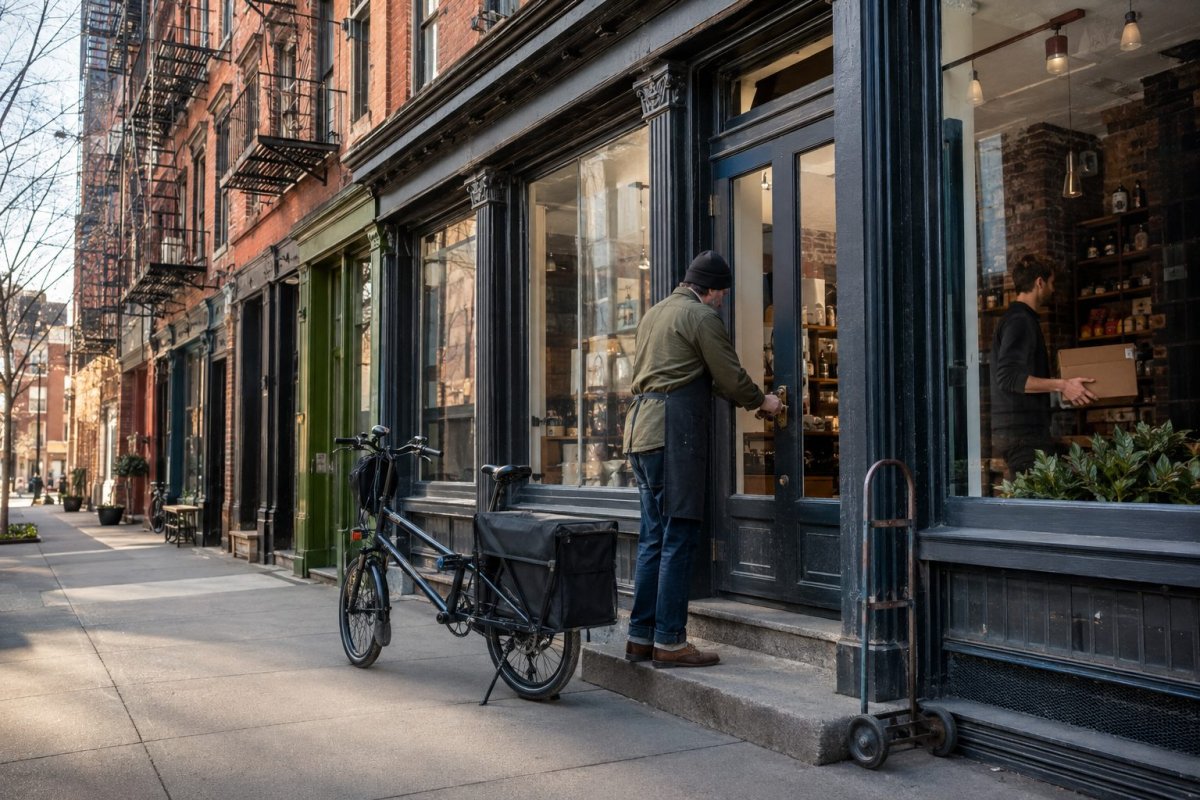
Optimism among U.S. small businesses reached its highest level in 11 months during July, according to the latest survey from the National Federation of Independent Business (NFIB). The optimism index advanced by 2.4 points to 99.8, surpassing economists' forecast of 97.0 and edging above the long-run average of 98.0. The improvement was broad-based, with eight of the ten index components posting gains, led by stronger hiring and capital spending intentions.
However, the upbeat headline masks persistent challenges in the labor market. A record 36% of owners reported unfilled job openings, the highest share since June 2025. Among those trying to hire, 85% said there were few or no qualified applicants. Skilled labor positions were particularly hard to fill, with openings in that category rising by four points to 31%. This supply-side constraint continues to weigh on Main Street's ability to expand.
Hiring plans improved notably, with a net 20% of owners intending to increase employment over the next three months—nine points higher than the previous month and well above the long-term average. Capital expenditure intentions also strengthened, with 25% of owners planning to make capital outlays in the next six months, the highest since December 2024. Yet expectations for real sales slipped, with only 7% anticipating stronger sales, down from 9% in June.
Inflation pressures showed signs of easing. The proportion of owners citing inflation as their top business problem fell to 14%, down seven points from June. Additionally, the net percentage of owners raising selling prices declined to 31%, although that remains double the historical norm. Average interest rates on short-term loans climbed to 7.9%, up from 7.4%, reflecting the Federal Reserve's tightening cycle and adding to borrowing costs for small firms.
NFIB Chief Economist Bill Dunkelberg offered a cautiously optimistic view: “Although uncertainty is currently elevated, Main Street anticipates that business conditions will continue to improve.” The NFIB's uncertainty index, however, remained well above its historical average, indicating that owners are still grappling with an unpredictable economic environment.
The labor market picture is complex. Friday's payroll report showed a decline of 23,000 nonfarm jobs in July, and labor-force participation has dropped by 0.7 percentage points since January. The NFIB's hiring intentions suggest that some businesses are willing to hire even if they cannot find ideal candidates, which may signal supply constraints rather than a broad-based demand slump.
Market reaction was muted in premarket trading, with Dow futures down 0.09%, S&P 500 futures up 0.02%, and Nasdaq 100 futures up 0.11%. Rising oil prices shifted focus back to inflation and interest rates, overshadowing the positive NFIB data. The odds for a September Fed rate hike or pause remain roughly balanced.
Upcoming inflation data will be crucial. The July consumer price index is due Wednesday at 08:30 EDT, followed by producer prices on Thursday. These reports will indicate whether the easing price pressures seen in July are sustainable. If oil prices continue to climb, the respite from inflation could be short-lived, complicating the Fed's path and potentially squeezing small-business margins further.
For investors, the NFIB survey presents a mixed signal. While Main Street is aiming for growth, persistent labor shortages and higher borrowing costs could hinder progress. Small-cap stocks may face margin pressure until sales pick up meaningfully. The divergence between survey intentions and actual payroll data underscores the fragility of the recovery.